
Introduction: Navigating the Global Market for export rain poncho
In the rapidly evolving global market, sourcing high-quality export rain ponchos presents a unique challenge for B2B buyers. As unpredictable weather patterns increasingly disrupt outdoor events and daily activities, businesses from Africa to Europe are seeking reliable solutions that not only provide protection but also align with sustainability goals. This guide delves into the intricacies of the export rain poncho market, offering valuable insights into various types, applications, and the critical factors to consider when selecting suppliers.
Understanding the diverse range of rain ponchos—from eco-friendly options made from natural materials to promotional items designed for brand visibility—is essential for making informed purchasing decisions. Buyers will benefit from a thorough examination of the production processes, material specifications, and pricing structures. Additionally, the guide will outline effective strategies for vetting suppliers to ensure that they meet quality standards and ethical practices.
Designed specifically for international B2B buyers, particularly from regions like Africa, South America, the Middle East, and Europe (including Germany and Nigeria), this comprehensive resource empowers businesses to navigate the complexities of the rain poncho market. By equipping decision-makers with actionable insights and best practices, this guide aims to facilitate smarter sourcing choices that not only meet immediate needs but also contribute to long-term sustainability and brand integrity.
Understanding export rain poncho Types and Variations
| اسم النوع | السمات المميزة الرئيسية | تطبيقات B2B الأولية | موجز الإيجابيات والسلبيات للمشترين |
|---|---|---|---|
| Lightweight Disposable Ponchos | Cost-effective, single-use, often made from PE or EVA materials | الفعاليات والمهرجانات ومستلزمات الطوارئ | الإيجابيات: Inexpensive, portable; السلبيات: Less durable, limited reusability. |
| Custom Printed Ponchos | Branding options available, various colors and styles | Promotions, corporate giveaways | الإيجابيات: Enhances brand visibility; السلبيات: تكلفة أعلى، مهل زمنية أطول. |
| Eco-Friendly Ponchos | Made from sustainable materials, biodegradable options available | Eco-conscious brands, outdoor events | الإيجابيات: Appeals to green consumers; السلبيات: Potentially higher production costs. |
| Heavy-Duty Rain Ponchos | Robust construction, often with added features like pockets | Outdoor activities, construction sites | الإيجابيات: Long-lasting, reliable protection; السلبيات: Heavier and bulkier. |
| Packable Hooded Ponchos | Compact design, easy to carry, often includes storage pouch | Travel, sports events | الإيجابيات: Convenient for on-the-go use; السلبيات: May lack durability compared to heavier options. |
What are Lightweight Disposable Ponchos and How are They Used in B2B?
Lightweight disposable ponchos are primarily made from polyethylene (PE) or ethylene-vinyl acetate (EVA). They are designed for single-use, making them ideal for events like concerts, festivals, or emergency preparedness kits. Their affordability allows businesses to purchase them in bulk for large gatherings. However, their limited durability means they are not suitable for long-term use, which could be a consideration for buyers looking for sustainability in their purchasing decisions.
How Do Custom Printed Ponchos Benefit Businesses?
Custom printed ponchos offer businesses the opportunity to enhance brand visibility through promotional items. These ponchos can be tailored in various colors and styles, making them perfect for corporate events and giveaways. While they provide an excellent platform for branding, they often come at a higher cost and may involve longer production times. Businesses should weigh the benefits of brand exposure against these potential drawbacks when considering bulk orders.
What Makes Eco-Friendly Ponchos a Smart Choice for B2B Buyers?
Eco-friendly ponchos are made from sustainable materials such as recycled plastics or organic cotton, appealing to environmentally conscious consumers. They are increasingly popular among brands looking to align with sustainability goals. While they can have a higher upfront cost, the long-term benefits include attracting a loyal customer base that values eco-friendly practices. B2B buyers should consider their target market’s preferences when deciding on these ponchos.
Why Choose Heavy-Duty Rain Ponchos for Outdoor Applications?
Heavy-duty rain ponchos are constructed from robust materials and often feature additional elements like pockets or reinforced seams. They are ideal for outdoor activities, construction sites, or any situation where durability is paramount. Although they may be bulkier and heavier than other options, their reliability in harsh weather conditions can justify the investment for businesses in need of dependable gear.
What are the Advantages of Packable Hooded Ponchos for B2B Buyers?
Packable hooded ponchos are designed for convenience, easily folding into a compact size for storage or travel. They are popular among sports teams, travelers, and outdoor enthusiasts who require lightweight, portable rain protection. While they offer the advantage of easy transport, buyers should be aware that they may not provide the same level of durability as heavier ponchos. This trade-off is crucial for businesses assessing their specific usage needs.
Key Industrial Applications of export rain poncho
| الصناعة/القطاع | Specific Application of export rain poncho | القيمة/الفائدة للأعمال التجارية | اعتبارات التوريد الرئيسية لهذا التطبيق |
|---|---|---|---|
| الفعاليات الخارجية | Event merchandise for festivals and concerts | Enhances brand visibility while providing practical use | Customization options, bulk pricing, and eco-friendly materials |
| الرياضة والترفيه | Team gear for outdoor sports | Promotes team unity and brand exposure | Durability, color options, and quick delivery timelines |
| خدمات الطوارئ | Emergency kits for disaster preparedness | Ensures readiness and safety for unforeseen weather | Compliance with safety standards and material certifications |
| السفر والسياحة | Travel essentials for tour operators | Improves customer experience during inclement weather | Lightweight, portable designs, and branding opportunities |
| Construction and Field Work | Protective gear for outdoor workers | Enhances worker safety and comfort | High visibility options, durability, and cost-effectiveness |
How Are Export Rain Ponchos Used in Outdoor Events?
In the outdoor events industry, export rain ponchos serve as both functional gear and promotional merchandise. Festivals, concerts, and sporting events often face unpredictable weather, making ponchos essential for keeping attendees dry. By offering branded ponchos, event organizers can enhance brand visibility while providing a practical solution for guests. B2B buyers in this sector should consider customization options, bulk pricing, and eco-friendly materials to meet the demands of environmentally conscious consumers.
What Role Do Rain Ponchos Play in Sports and Recreation?
In sports and recreation, export rain ponchos are frequently utilized as team gear for outdoor activities. Teams can enhance their brand exposure while ensuring that players and fans remain dry during games or events. This application not only promotes team unity but also adds a layer of professionalism. Buyers in this sector should focus on durability, color options, and quick delivery timelines to ensure they can effectively meet the needs of athletes and fans alike.
How Are Export Rain Ponchos Essential for Emergency Services?
Emergency services utilize export rain ponchos as part of their disaster preparedness kits. These ponchos provide essential protection against rain and wind, ensuring that first responders and community members are equipped to handle unforeseen weather conditions. This application emphasizes the importance of readiness and safety in crisis situations. B2B buyers in this field must prioritize compliance with safety standards and seek materials that are certified for quality and durability.
Why Are Rain Ponchos Important for Travel and Tourism?
In the travel and tourism sector, export rain ponchos are valuable essentials for tour operators. They enhance the customer experience by providing protection from sudden rain showers, allowing tourists to enjoy their adventures without interruption. B2B buyers should look for lightweight, portable designs that can be easily packed and carried, along with opportunities for branding to promote their travel services.
How Do Export Rain Ponchos Benefit Construction and Field Work?
In construction and fieldwork, export rain ponchos are crucial for enhancing worker safety and comfort. Given that outdoor work is often subjected to harsh weather, having reliable rain protection is essential for maintaining productivity and ensuring worker morale. B2B buyers in this industry should focus on high visibility options, durability, and cost-effectiveness to provide a practical solution for their teams while adhering to safety regulations.
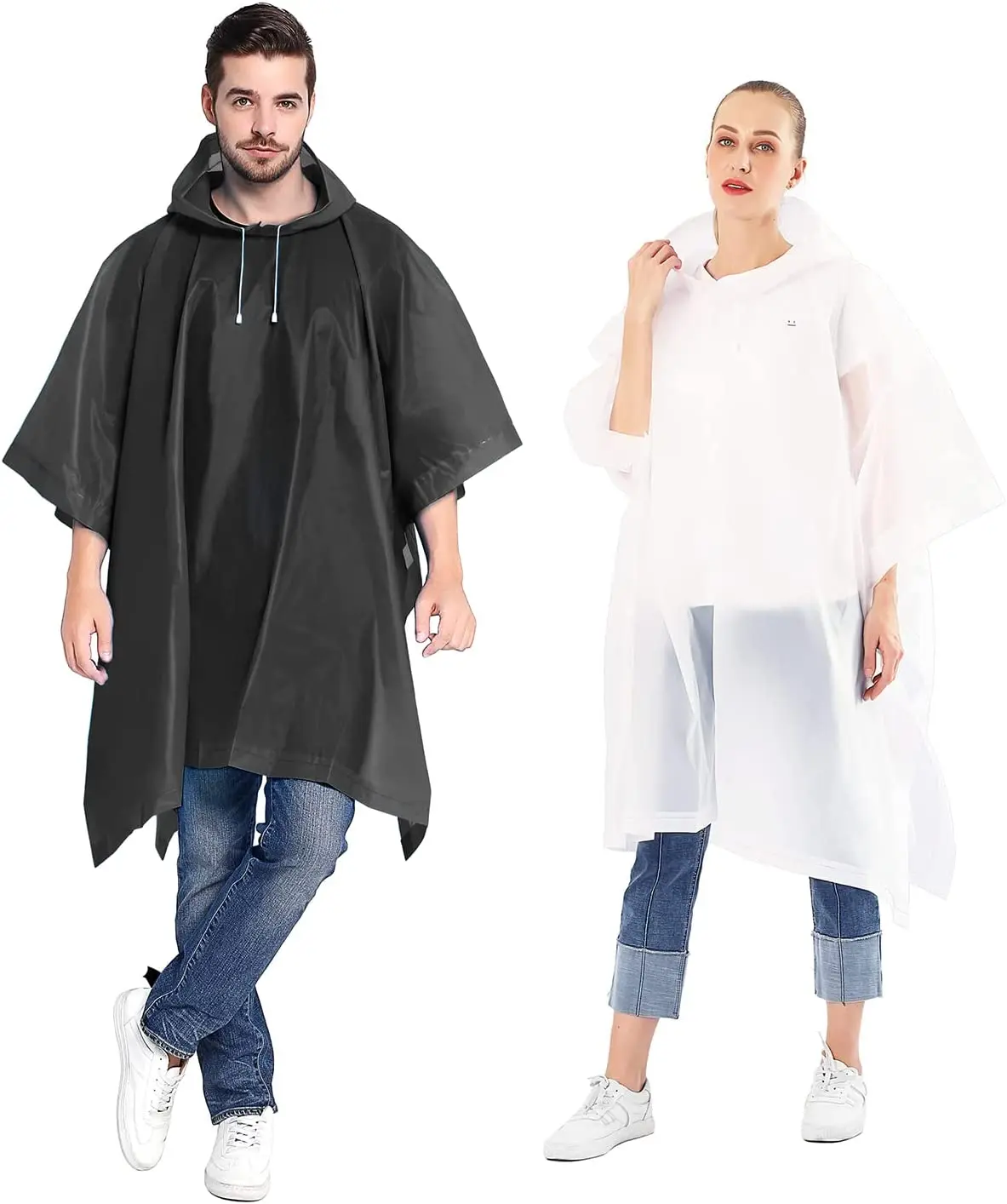
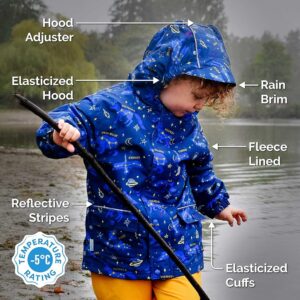
A stock image related to export rain poncho.
3 Common User Pain Points for ‘export rain poncho’ & Their Solutions
Scenario 1: Navigating Quality Concerns in Sourcing Rain Ponchos
المشكلة B2B buyers often face significant challenges when it comes to ensuring the quality of rain ponchos. Concerns about substandard materials or poor manufacturing practices can lead to dissatisfaction among end-users, impacting brand reputation. For instance, a distributor sourcing ponchos for an outdoor festival may find that the products are not truly waterproof or durable enough for heavy use, resulting in complaints and potential losses. This is particularly crucial in regions with unpredictable weather, where performance is non-negotiable.
الحل: To mitigate quality concerns, buyers should establish clear specifications that include detailed material requirements, such as the use of natural rubber or high-grade polyester that ensures waterproofing. It’s advisable to request samples from multiple suppliers to assess the quality firsthand before placing bulk orders. Additionally, buyers should look for certifications or third-party testing results that verify the ponchos’ performance under various conditions. Engaging in regular communication with suppliers about quality standards and expectations will foster a more reliable partnership, ensuring that the products meet the necessary specifications for durability and functionality.
Scenario 2: Managing Supply Chain and Delivery Timelines
المشكلة Supply chain disruptions can severely impact the timely delivery of rain ponchos, especially for international buyers. Factors such as customs delays, shipping complications, or unexpected demand spikes can lead to stock shortages just before a crucial event, like a sporting event or festival. This not only affects sales but can also damage relationships with clients who rely on the timely availability of products.
الحل: To enhance supply chain reliability, B2B buyers should develop robust logistics strategies that include multiple shipping options and contingency plans for potential delays. It is advisable to work closely with suppliers to establish realistic lead times and to consider pre-ordering stock during off-peak seasons to mitigate the risk of shortages. Additionally, maintaining a buffer inventory can provide a safety net during high-demand periods. Utilizing technology for real-time tracking of shipments can also help buyers stay informed and proactive in managing their stock levels.
Scenario 3: Addressing Environmental Sustainability Concerns
المشكلة Increasingly, businesses are being held accountable for their environmental impact, and buyers of rain ponchos are no exception. Many consumers are now demanding sustainable products, and B2B buyers may struggle to find ponchos that meet these eco-friendly criteria while still being functional and affordable. In markets such as Europe and parts of South America, the demand for sustainable options is particularly pronounced, and failing to meet these expectations can lead to lost sales and reputational damage.
الحل: Buyers should prioritize sourcing rain ponchos made from sustainable materials, such as organic cotton or biodegradable plastics. Engaging suppliers who can provide transparency in their sourcing practices and production processes is crucial. Buyers can also consider collaborating with manufacturers that utilize eco-friendly dyes and production methods to ensure compliance with sustainability standards. Furthermore, communicating the environmental benefits of these products to end-users can enhance brand loyalty and appeal to the growing market of environmentally conscious consumers. Regularly reviewing suppliers’ sustainability certifications and practices will help maintain alignment with buyers’ environmental goals.
Strategic Material Selection Guide for export rain poncho
When selecting materials for export rain ponchos, understanding the properties, advantages, and limitations of each material is crucial. This knowledge helps international B2B buyers make informed decisions that align with their market needs and compliance standards.
What are the Key Properties of Common Materials Used in Rain Ponchos?
1. PVC (Polyvinyl Chloride)
PVC is a widely used synthetic material known for its waterproof properties. It offers excellent resistance to moisture, making it a popular choice for rain ponchos.
- الخصائص الرئيسية: High tensile strength, good elasticity, and resistance to UV light and chemicals.
- الإيجابيات: Durable and cost-effective, PVC ponchos are lightweight and easy to produce. They can be manufactured in various colors and thicknesses.
- السلبيات: PVC can be less breathable, leading to discomfort in warmer climates. It is also less environmentally friendly due to its plastic composition.
- التأثير على التطبيق: Suitable for outdoor events and emergency kits, but not ideal for long-term wear due to comfort issues.
- Considerations for Buyers: Compliance with environmental regulations is crucial, especially in regions like Europe where sustainability is prioritized.
2. Nylon
Nylon is another synthetic option that is lightweight, durable, and resistant to abrasion.
- الخصائص الرئيسية: High tensile strength, flexibility, and water resistance.
- الإيجابيات: Nylon ponchos are breathable and can be treated with water-repellent coatings. They are also lightweight and packable, making them ideal for travel.
- السلبيات: While generally durable, nylon can be susceptible to UV degradation over time. It may also require chemical treatments for enhanced waterproofing.
- التأثير على التطبيق: Best for outdoor activities like hiking and camping, but may not be suitable for heavy rain without additional treatments.
- Considerations for Buyers: Ensure compliance with local regulations regarding chemical treatments, particularly in regions with stringent environmental laws.
3. Natural Rubber
Natural rubber is an eco-friendly alternative that offers excellent waterproofing without synthetic additives.
- الخصائص الرئيسية: Naturally hydrophobic, flexible, and durable.
- الإيجابيات: Provides superior comfort due to its breathability and soft inner lining. It is biodegradable, making it a sustainable choice.
- السلبيات: Generally more expensive than synthetic options and may have a longer lead time in production.
- التأثير على التطبيق: Ideal for environmentally conscious consumers and markets that prioritize sustainability.
- Considerations for Buyers: Ensure that the sourcing of natural rubber complies with local sustainability standards, especially in regions like Europe where eco-friendly products are in high demand.
4. بوليستر
Polyester is a synthetic fabric often used in rain ponchos due to its water-resistant properties.
- الخصائص الرئيسية: Strong, lightweight, and resistant to shrinking and stretching.
- الإيجابيات: Polyester ponchos can be coated for additional waterproofing and are generally less expensive than natural materials. They are also easy to care for and maintain.
- السلبيات: Like PVC, polyester is less breathable, which can lead to discomfort in humid conditions. Its production process is also less environmentally friendly.
- التأثير على التطبيق: Suitable for promotional items and disposable ponchos, but may not appeal to eco-conscious consumers.
- Considerations for Buyers: Be aware of the growing demand for sustainable products and consider offering recycled polyester options to meet market expectations.
Summary of Material Selection for Export Rain Ponchos
| المواد | Typical Use Case for export rain poncho | الميزة الرئيسية | العيب/التقييد الرئيسي | التكلفة النسبية (منخفضة/متوسطة/مرتفعة) |
|---|---|---|---|---|
| بولي كلوريد الفينيل | Emergency kits, outdoor events | فعالة من حيث التكلفة ومتينة | Less breathable, environmentally unfriendly | منخفضة |
| نايلون | Hiking, camping | Lightweight and breathable | UV degradation, requires treatments | متوسط |
| المطاط الطبيعي | Eco-friendly markets | Biodegradable and comfortable | Higher cost, longer production time | عالية |
| بوليستر | Promotional items, disposable ponchos | Easy to maintain and cost-effective | أقل قابلية للتنفس، مخاوف بيئية | منخفضة |
This strategic material selection guide provides B2B buyers with essential insights into the various materials used in rain ponchos, helping them to align their purchasing decisions with market demands and regulatory compliance.
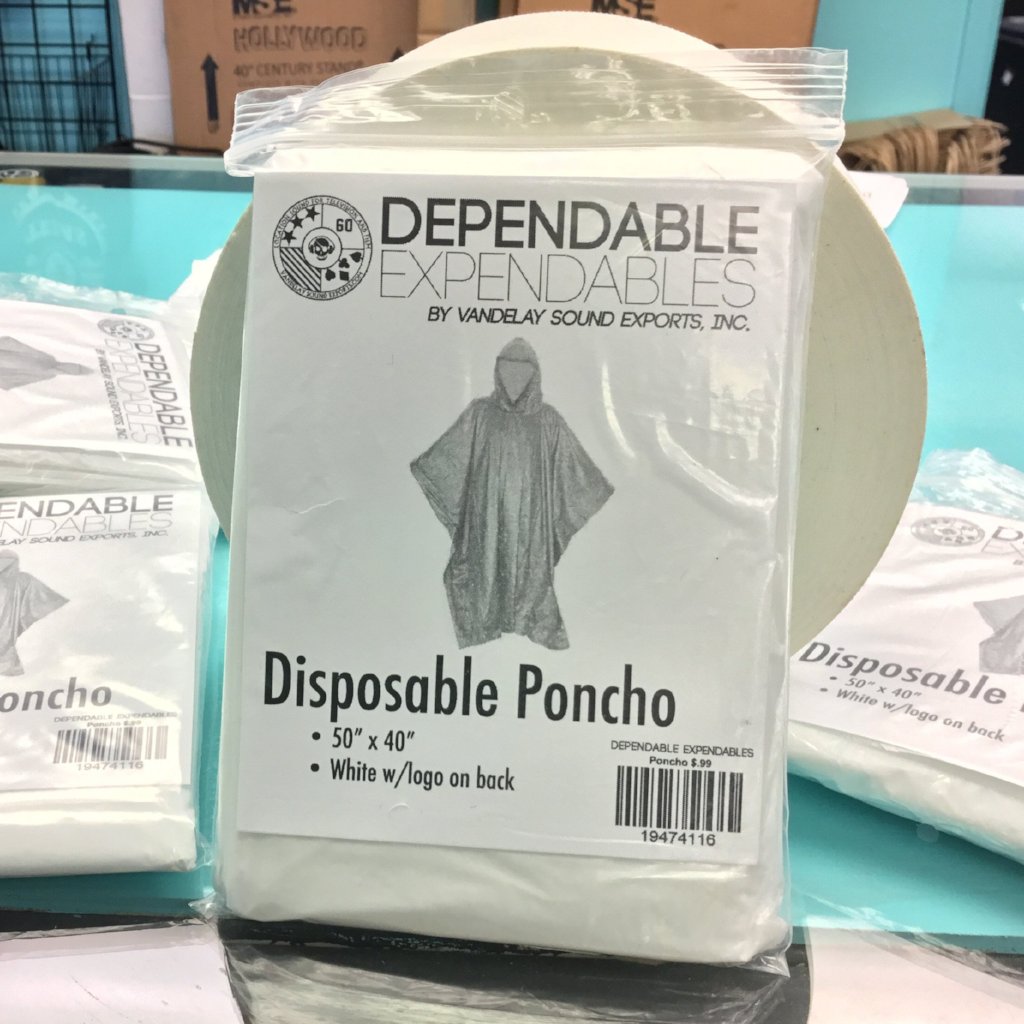
A stock image related to export rain poncho.
In-depth Look: Manufacturing Processes and Quality Assurance for export rain poncho
The manufacturing process for export rain ponchos involves several key stages, each critical to ensuring the final product meets quality standards and customer expectations. Understanding these processes is essential for B2B buyers looking to source rain ponchos that are not only functional but also adhere to international quality standards.
What Are the Main Stages of Manufacturing Rain Ponchos?
Material Preparation: How Are Raw Materials Selected and Processed?
The first step in manufacturing rain ponchos is selecting the right materials. Common materials include synthetic fabrics like PVC, nylon, or polyester, as well as eco-friendly options like natural rubber and organic cotton. These materials are sourced based on their waterproof qualities, durability, and comfort.
Once selected, the materials undergo preparation processes such as washing, dyeing, and cutting. For example, eco-friendly ponchos may utilize low-impact dyes to minimize environmental impact. This stage ensures that materials are ready for the forming process, maintaining their integrity and performance characteristics.
Forming: What Techniques Are Used to Shape Rain Ponchos?
The forming stage involves transforming raw materials into the desired shape and design of the poncho. Techniques such as heat sealing, ultrasonic welding, or stitching are commonly used, depending on the materials and the intended use of the poncho.
For instance, heat sealing is often employed for synthetic ponchos to create a waterproof barrier without compromising flexibility. In contrast, eco-friendly ponchos may use traditional stitching techniques with biodegradable threads. This stage is vital for ensuring that the poncho is both functional and aesthetically pleasing.
Assembly: How Are Components Brought Together?
During the assembly stage, individual components such as hoods, pockets, and fasteners are integrated into the poncho. This may involve sewing, attaching snaps, or using Velcro closures.
Quality control checkpoints are essential during assembly to ensure that each poncho meets design specifications. Any defects or inconsistencies can be identified and rectified before proceeding to the finishing stage, thereby reducing waste and enhancing product quality.
Finishing: What Final Touches Are Added?
The finishing stage includes processes that enhance the poncho’s performance and appearance. This may involve applying a water-repellent coating, conducting final inspections, and packaging the ponchos for shipment.
For eco-friendly ponchos, the finishing process might focus on ensuring that all materials are biodegradable and that no harmful chemicals are present. It’s crucial for B2B buyers to verify that suppliers adhere to these eco-conscious practices, as they can significantly impact brand reputation and compliance with international standards.
What Quality Assurance Measures Are Essential for Rain Ponchos?
ما هي المعايير الدولية التي ينبغي النظر فيها؟
Quality assurance in the manufacturing of rain ponchos is paramount. B2B buyers should look for suppliers who comply with international standards such as ISO 9001, which focuses on quality management systems, and CE marking, which indicates conformity with health, safety, and environmental protection standards within the European Economic Area.
Additionally, specific standards like the American National Standards Institute (ANSI) and American Society for Testing and Materials (ASTM) may also apply, particularly for performance testing of materials used in rain gear.
What Are the Key Quality Control Checkpoints in Production?
To ensure quality throughout the manufacturing process, suppliers typically implement several quality control checkpoints:
-
مراقبة الجودة الواردة (IQC): This involves inspecting raw materials upon arrival to verify that they meet specified standards and are free from defects.
-
مراقبة الجودة أثناء المعالجة (IPQC): During production, regular checks are conducted to monitor the manufacturing process, ensuring that any deviations from quality standards are promptly addressed.
-
مراقبة الجودة النهائية (FQC): Once the ponchos are assembled, a thorough inspection is performed to assess the final product against quality benchmarks, including waterproofing tests and material integrity checks.
ما هي طرق الاختبار الشائعة المستخدمة لضمان الجودة؟
Common testing methods for rain ponchos include:
-
اختبار مقاومة الماء: This involves submerging the poncho in water or using spray tests to assess its ability to repel water.
-
اختبار المتانة: This may include stress tests to evaluate the strength of seams and materials under various conditions.
-
اختبار قابلية التنفس: Measuring how well the poncho allows moisture to escape is essential, particularly for outdoor use.
B2B buyers should inquire about the specific testing methods used by suppliers to ensure that their ponchos meet performance expectations.
كيف يمكن لمشتري B2B التحقق من مراقبة جودة الموردين؟
ما الخطوات التي يمكن اتخاذها لضمان امتثال الموردين؟
To ensure that suppliers maintain high-quality standards, B2B buyers can take the following steps:
-
إجراء عمليات التدقيق: Regular audits of the manufacturing facility can provide insights into the supplier’s quality control processes and adherence to international standards.
-
طلب تقارير الجودة: Buyers should ask for detailed quality reports that outline the results of IQC, IPQC, and FQC checks, along with any corrective actions taken for non-conformities.
-
إشراك مفتشين من طرف ثالث: Utilizing third-party inspection services can provide an unbiased assessment of the manufacturing process and the quality of the finished product.
What Nuances Should Buyers Be Aware of When Sourcing Internationally?
For international buyers, especially from regions like Africa, South America, the Middle East, and Europe, it’s crucial to be aware of:
-
الامتثال التنظيمي: Each country may have specific regulations regarding the import of textile products, including safety standards and labeling requirements.
-
Cultural Sensitivities: Understanding local preferences and environmental concerns can influence sourcing decisions and product design.
-
شفافية سلسلة التوريد: Buyers should prioritize suppliers who can provide transparency throughout the supply chain, ensuring ethical sourcing and production practices.
By comprehensively understanding the manufacturing processes and quality assurance measures for rain ponchos, B2B buyers can make informed decisions that align with their business needs and values. This not only enhances product quality but also builds trust and credibility in international markets.
Practical Sourcing Guide: A Step-by-Step Checklist for ‘export rain poncho’
When sourcing rain ponchos for export, it’s essential to follow a structured approach to ensure quality, compliance, and cost-effectiveness. This step-by-step checklist will guide you through the critical stages of the sourcing process, helping you make informed decisions and establish fruitful partnerships.
الخطوة 1: تحديد المواصفات الفنية الخاصة بك
Establishing clear technical specifications is vital for ensuring that the rain ponchos meet your market’s needs. Consider factors such as material (e.g., waterproofing technology, sustainability), size, design, and any specific branding requirements. This step will help you communicate effectively with suppliers and avoid misunderstandings later in the process.
الخطوة 2: البحث عن الموردين المحتملين
Conduct thorough research to identify potential suppliers who specialize in rain ponchos. Utilize platforms like Alibaba, Global Sources, and trade shows to compile a list of manufacturers. Focus on suppliers with a proven track record in your target regions—Africa, South America, the Middle East, and Europe.
- Key Considerations:
- Look for reviews and testimonials from other B2B buyers.
- Evaluate their production capacity and delivery timelines.
الخطوة 3: تقييم شهادات الموردين
It is crucial to verify that your suppliers comply with international quality and safety standards. Request documentation for certifications such as ISO 9001, OEKO-TEX, or GOTS for organic materials. These certifications not only ensure product quality but also enhance your brand’s credibility in the market.
الخطوة 4: طلب عينات
Before making bulk purchases, always request samples from shortlisted suppliers. Assess the quality, comfort, and durability of the ponchos firsthand. This step is essential for evaluating whether the products align with your specifications and customer expectations.
- What to Look For:
- Check for waterproof capabilities and breathability.
- Ensure the ponchos are lightweight and easy to pack.
الخطوة 5: التفاوض على الأسعار والشروط
Once you have selected a supplier, engage in negotiations to secure favorable pricing and terms. Discuss payment options, lead times, and minimum order quantities. Be clear about your expectations regarding quality control and delivery schedules to avoid issues down the line.
الخطوة 6: Establish Quality Control Protocols
Implement quality control measures to ensure that the products received meet your specifications consistently. This can include setting benchmarks for inspections at various stages of production and before shipment. Establishing these protocols will help mitigate risks associated with defective products.
الخطوة 7: Plan for Logistics and Compliance
Finally, consider the logistics involved in exporting the rain ponchos. Familiarize yourself with the import regulations of your target markets, including customs duties and taxes. Collaborate with a logistics partner who understands the intricacies of international shipping to ensure a smooth delivery process.
By following this checklist, you can streamline your sourcing process for rain ponchos, helping your business achieve greater efficiency and reliability in its supply chain.
Comprehensive Cost and Pricing Analysis for export rain poncho Sourcing
When sourcing rain ponchos for export, understanding the comprehensive cost structure is essential for effective budgeting and negotiation. This analysis will explore the key cost components and price influencers that international B2B buyers should consider, particularly those from Africa, South America, the Middle East, and Europe.
What Are the Key Cost Components in Rain Poncho Production?
-
المواد: The choice of materials significantly impacts the cost. For example, high-quality options such as organic Pima cotton and natural tree rubber, as seen in premium ponchos, can drive up costs compared to synthetic alternatives like PVC or polyester. Buyers should evaluate the material quality against their target market’s preferences and sustainability trends.
-
العمالة: Labor costs vary by region. In countries with lower labor costs, such as parts of South America, manufacturers can offer more competitive pricing. However, this can also depend on the skill level required for production, especially for more intricate designs or eco-friendly processes.
-
نفقات التصنيع الزائدة: This includes costs related to factory maintenance, utilities, and administrative expenses. Efficient operations can help keep these costs down, but buyers should assess the reputation and operational efficiency of potential suppliers.
-
الأدوات: Custom tooling for unique designs or logos can add to initial costs. However, amortizing these costs over larger production runs can lead to better pricing per unit.
-
مراقبة الجودة (QC): Investing in QC processes ensures that the final product meets specified standards. This can include inspections during various production stages, which may add to costs but ultimately enhances product reliability.
-
الخدمات اللوجستية: Shipping and handling can significantly affect the overall cost. Factors like distance, shipping methods, and customs duties should be considered. For instance, choosing Incoterms like FOB (Free on Board) or CIF (Cost, Insurance, and Freight) can influence who bears these costs.
-
الهامش: Suppliers will typically include a profit margin in their pricing. Understanding industry standards for margins can aid in negotiation, allowing buyers to seek better terms.
كيف تؤثر العوامل المؤثرة في الأسعار على قرارات التوريد؟
-
الحجم/معدل العرض/الطلب: Minimum Order Quantities (MOQs) can vary widely among suppliers. Higher volumes generally lead to lower per-unit costs, making it advantageous for buyers to consolidate orders when feasible.
-
المواصفات والتخصيص: Customized ponchos, whether in design or material, typically incur higher costs. Buyers should balance the desire for customization with budget constraints and market demands.
-
جودة المواد والشهادات: Eco-friendly materials often come at a premium. Buyers focused on sustainability may need to justify these costs against the potential for enhanced brand reputation and customer loyalty.
-
عوامل الموردين: Supplier reliability, location, and production capacity can significantly influence pricing. A supplier with a strong track record may offer better terms due to lower risk.
-
المصطلحات التجارية الدولية: Understanding the implications of different Incoterms is crucial for managing costs effectively. Terms like DDP (Delivered Duty Paid) simplify logistics but may come at a higher price.
ما هي النصائح التي يمكن أن تعزز كفاءة التكلفة للمشترين؟
-
التفاوض: Establish a clear communication channel with suppliers to discuss pricing, especially regarding bulk orders or long-term partnerships. Leverage competitive quotes to negotiate better terms.
-
التكلفة الإجمالية للملكية (TCO): Consider all costs associated with the poncho, including shipping, customs, and potential returns. A lower initial price may not always represent the best value.
-
الفروق الدقيقة في التسعير للمشترين الدوليين: Be aware of fluctuating exchange rates, tariffs, and local regulations that could impact pricing. Local knowledge can be invaluable in navigating these complexities.
In summary, sourcing rain ponchos for export involves a multifaceted cost structure influenced by various components and market factors. By understanding these intricacies and employing strategic negotiation tactics, international B2B buyers can secure favorable pricing while ensuring product quality and sustainability.
Alternatives Analysis: Comparing export rain poncho With Other Solutions
In the competitive landscape of outdoor apparel, particularly for inclement weather, businesses must consider various solutions to meet their customers’ needs. While the export rain poncho offers a reliable option for keeping individuals dry, there are alternative solutions that may also serve similar purposes. This section explores these alternatives, providing insights into their performance, cost, and best use cases, helping B2B buyers make informed decisions.
| جانب المقارنة | Export Rain Poncho | Custom Printed Rain Ponchos | عباءات مطر يمكن التخلص منها |
|---|---|---|---|
| الأداء | High durability, waterproof, sustainable materials | Varies by material, typically less durable than ponchos | Generally lower performance, not reusable |
| التكلفة | Higher initial investment due to quality materials | Affordable, bulk pricing available | Low cost, ideal for large events |
| سهولة التنفيذ | Moderate; requires supplier coordination | Easy; many vendors offer quick shipping | Very easy; available from various retailers |
| الصيانة | Low; typically machine washable | Low; depends on the material used | None; single-use and disposable |
| أفضل حالة استخدام | Outdoor activities, eco-conscious consumers | Promotional events, corporate giveaways | Large gatherings, festivals, emergencies |
What Are the Advantages and Disadvantages of Custom Printed Rain Ponchos?
Custom printed rain ponchos serve as a versatile promotional tool for businesses. They can be tailored with branding, making them an excellent choice for marketing at outdoor events. The affordability of these ponchos allows companies to purchase them in bulk, which is particularly advantageous for giveaways. However, they may not offer the same level of durability as the export rain poncho, and their materials can vary, impacting their waterproof capabilities. This makes them less suitable for extreme weather conditions.
How Do Disposable Rain Ponchos Compare in Terms of Usefulness?
Disposable rain ponchos are a practical choice for large gatherings such as festivals or sporting events where attendees may need a quick and inexpensive solution to stay dry. Their low cost makes them accessible for mass distribution, and they are lightweight and easy to carry. However, their single-use nature raises concerns regarding environmental sustainability, and they often lack the performance and comfort of reusable options like the export rain poncho. Therefore, they are best suited for one-time use rather than long-term wear.
الخاتمة: كيف يمكن لمشتري B2B اختيار الحل المناسب للحماية من المطر؟
When selecting a rain protection solution, B2B buyers must consider their specific needs and target audience. The export rain poncho is ideal for businesses focused on sustainability and quality, appealing to environmentally conscious consumers. On the other hand, custom printed rain ponchos can effectively promote a brand while providing basic protection. Disposable rain ponchos are best for large-scale events where cost and convenience are paramount. By evaluating factors such as performance, cost, and intended use, buyers can make informed choices that align with their brand values and customer expectations.
Essential Technical Properties and Trade Terminology for export rain poncho
When considering the procurement of rain ponchos for export, understanding the essential technical properties and trade terminology is crucial for making informed decisions. This guide outlines key specifications and terminology that will aid international buyers, particularly from diverse markets such as Africa, South America, the Middle East, and Europe.
What Are the Critical Technical Properties of Rain Ponchos?
-
التركيب المادي
The primary materials used in rain ponchos can significantly impact their performance. Common materials include synthetic fabrics like PVC and polyester, which offer water resistance but may lack breathability. Alternatively, eco-friendly options, such as natural rubber and organic cotton, provide waterproofing without harmful chemicals. Understanding the composition helps buyers assess durability, comfort, and environmental impact, which are increasingly important in global markets. -
تصنيف مقاوم للماء
A poncho’s waterproof rating, often expressed in millimeters (mm), indicates how much water pressure the fabric can withstand before it starts leaking. A higher rating (e.g., 3000 mm or above) signifies superior waterproof capabilities, making it suitable for heavy rain conditions. Buyers should prioritize ponchos with appropriate ratings based on the intended use, especially for outdoor events or emergency situations. -
الوزن وقابلية التعبئة والتغليف
The weight of a rain poncho can affect its portability and user convenience. Lightweight ponchos are ideal for outdoor activities where space and weight are considerations, while heavier options may offer enhanced durability. Packability refers to how easily a poncho can be folded and stored, making it essential for buyers targeting travelers or those needing compact solutions. -
قابلية التنفس
Breathability is a critical property that allows moisture and heat to escape while keeping rain out. This is particularly important in humid climates where overheating can be an issue. Ponchos made from breathable fabrics enhance user comfort, which can be a selling point for B2B buyers looking to differentiate their products in competitive markets. -
بناء التماس
The method of seam construction—whether heat-sealed or stitched—can influence the waterproofing and durability of the poncho. Heat-sealed seams tend to provide better waterproofing by preventing water ingress through needle holes. Buyers should inquire about seam types to ensure the ponchos meet their quality standards. -
Sustainability Certifications
As environmental concerns grow, many buyers are seeking products with sustainability certifications, such as GOTS (Global Organic Textile Standard) or OEKO-TEX. These certifications ensure that materials are sourced responsibly and processed without harmful chemicals, appealing to eco-conscious consumers.
What Are Common Trade Terms Related to Rain Poncho Exports?
-
OEM (الشركة المصنعة للمعدات الأصلية)
This term refers to companies that manufacture products that are marketed by another company under its brand. For buyers, understanding OEM relationships can help streamline sourcing and ensure product quality. -
موك (الحد الأدنى لكمية الطلب)
MOQ is the smallest quantity of a product that a supplier is willing to sell. Knowing the MOQ is crucial for buyers to manage inventory levels and cash flow effectively. It is also a significant factor in pricing negotiations. -
طلب عرض الأسعار (RFQ)
An RFQ is a document that buyers send to suppliers to request price quotes for specific quantities of products. This process helps buyers compare pricing and terms across different suppliers, aiding in informed decision-making. -
إنكوترمز (الشروط التجارية الدولية)
These are predefined commercial terms published by the International Chamber of Commerce that clarify the responsibilities of buyers and sellers in international transactions. Familiarity with Incoterms, such as FOB (Free on Board) or CIF (Cost, Insurance, and Freight), is essential for managing shipping costs and risks. -
المهلة الزمنية
Lead time refers to the time it takes from placing an order to receiving the goods. Understanding lead times can help buyers plan their inventory and avoid stockouts, particularly in regions with variable weather patterns. -
الرسوم الجمركية والتعريفات الجمركية
These are taxes imposed on imported goods, which can significantly affect the overall cost of procurement. Buyers should be aware of the applicable duties in their regions to accurately calculate total landed costs.
By grasping these critical properties and trade terms, B2B buyers can make more informed decisions when sourcing rain ponchos for export, ensuring they meet both market demands and sustainability goals.
Navigating Market Dynamics and Sourcing Trends in the export rain poncho Sector
What Are the Key Trends Influencing the Export Rain Poncho Market?
The export rain poncho market is experiencing significant growth, driven by several global factors. The rising frequency of extreme weather events, attributed to climate change, has increased the demand for protective apparel, including rain ponchos. This trend is particularly evident in regions like Africa and South America, where unpredictable weather patterns necessitate reliable rain gear for both everyday use and outdoor activities. Additionally, the growing popularity of eco-tourism in the Middle East and Europe has led to a surge in demand for sustainable and lightweight rain protection solutions that cater to travelers and outdoor enthusiasts.
Technological advancements in manufacturing processes are also reshaping the sourcing landscape. The emergence of smart textiles, which offer enhanced durability and weather resistance, is becoming a focal point for B2B buyers seeking high-quality products. Moreover, the rise of e-commerce platforms facilitates direct sourcing, allowing international buyers to access a broader range of suppliers and negotiate better terms. The trend towards customization is another notable factor; businesses are increasingly seeking branded ponchos for promotional events, which adds value to their marketing strategies while ensuring visibility during outdoor activities.
How Is Sustainability Shaping Ethical Sourcing in the Rain Poncho Sector?
Sustainability is no longer a niche concern but a crucial aspect of sourcing in the rain poncho market. The environmental impact of production methods, particularly those involving synthetic materials, has prompted buyers to seek alternatives that minimize ecological footprints. Ethical sourcing practices are gaining traction, with an emphasis on materials that are biodegradable and produced through sustainable methods. For instance, natural rubber and organic cotton are becoming preferred choices, as they align with the growing consumer demand for eco-friendly products.
B2B buyers must prioritize suppliers who adhere to stringent environmental standards and possess certifications such as GOTS (Global Organic Textile Standard) or OEKO-TEX, which assure the absence of harmful substances in textiles. Additionally, transparency in the supply chain is vital; buyers are increasingly inclined to partner with manufacturers who demonstrate commitment to ethical labor practices and community development. This trend not only enhances brand reputation but also resonates with environmentally conscious consumers, driving loyalty and repeat business.
How Has the Export Rain Poncho Market Evolved Over Time?
The evolution of the rain poncho market can be traced back to its utilitarian origins, primarily serving as basic protection against rain. Over the decades, advancements in fabric technology have transformed the poncho from a simple, often bulky garment into a versatile, lightweight, and fashionable piece of outerwear. The introduction of waterproof materials such as PVC and later, more sustainable options like natural rubber and recycled fabrics, has broadened the appeal of rain ponchos beyond mere utility.
In recent years, the focus has shifted towards customization and branding, with companies leveraging ponchos as promotional items at events and festivals. This shift reflects a broader trend in consumer behavior, where practical products are increasingly valued for their branding potential. As the market continues to adapt to changing consumer preferences and environmental considerations, the export rain poncho sector is poised for sustained growth, driven by innovation and a commitment to sustainability.
Frequently Asked Questions (FAQs) for B2B Buyers of export rain poncho
-
How do I ensure the quality of rain ponchos when sourcing from international suppliers?
To ensure quality, start by requesting samples from potential suppliers. Evaluate the materials used, such as whether they are waterproof and durable. Look for certifications that indicate compliance with international quality standards. Establish a clear quality assurance (QA) process that includes inspections during production and pre-shipment. Additionally, consider third-party inspection services to verify the quality before the goods are shipped to your location. -
What factors should I consider when selecting a supplier for export rain ponchos?
Key factors to consider include the supplier’s manufacturing capabilities, experience in producing rain ponchos, and their compliance with environmental regulations. Assess their supply chain transparency, including where materials are sourced. Reviews and references from other B2B buyers can provide insight into reliability and product quality. It’s also crucial to evaluate their logistics capabilities to ensure timely delivery and effective communication throughout the process. -
What are the common customization options available for rain ponchos?
Customization options for rain ponchos often include color choices, sizes, and material types. Many suppliers offer the ability to print logos or brand messages directly on the ponchos, which can enhance brand visibility at events. Some manufacturers may also provide unique features such as pockets, adjustable hoods, or eco-friendly materials. Always discuss your specific needs with suppliers to understand their customization capabilities and associated costs. -
What is the typical minimum order quantity (MOQ) for export rain ponchos?
Minimum order quantities (MOQs) can vary significantly based on the supplier and the type of poncho being ordered. Generally, MOQs for customized ponchos may range from 100 to 1,000 units. For standard, non-customized options, some suppliers may offer lower MOQs. It’s advisable to inquire directly with suppliers about their specific MOQs, as negotiating may be possible depending on your overall order size and commitment. -
ما هي شروط الدفع التي يجب أن أتوقعها عند الحصول على عباءات المطر دولياً؟
Payment terms can vary by supplier but typically include options like a deposit followed by payment upon delivery or net terms after receipt of goods. Common practices include a 30% deposit to initiate production and the remaining 70% before shipping. Ensure that payment terms are clearly defined in the contract to avoid any misunderstandings. It’s also wise to consider using secure payment methods or letters of credit to mitigate risks. -
How can I manage shipping and logistics when importing rain ponchos?
Effective management of shipping and logistics begins with selecting a reliable freight forwarder experienced in handling international shipments. Understand the shipping options available, such as air freight for faster delivery or sea freight for cost savings. Be aware of customs regulations in your country to ensure smooth clearance. Additionally, tracking shipments and maintaining communication with your supplier can help you manage any potential delays. -
What are the environmental considerations when sourcing rain ponchos?
When sourcing rain ponchos, consider the materials used and their environmental impact. Look for suppliers that offer eco-friendly options, such as biodegradable or recycled materials. Certifications like GOTS (Global Organic Textile Standard) can indicate sustainable practices. Additionally, inquire about the supplier’s commitment to reducing waste in their production processes and whether they have initiatives in place to minimize their carbon footprint. -
How do I handle disputes or issues with suppliers after placing an order?
To effectively handle disputes, maintain open lines of communication with your supplier from the outset. If issues arise, document all correspondence and evidence related to the dispute. Most suppliers will have a defined process for addressing complaints or quality issues, so refer to your contract for guidance. If necessary, consider mediation or arbitration as a resolution method. Establishing a good relationship with your supplier can often prevent disputes from escalating.
تنويه هام وشروط الاستخدام
⚠️ تنويه مهم ⚠️
المعلومات الواردة في هذا الدليل، بما في ذلك المحتوى المتعلق بالمصنعين والمواصفات الفنية وتحليل السوق، هي لأغراض إعلامية وتعليمية فقط. وهي لا تشكل مشورة مهنية في مجال المشتريات أو مشورة مالية أو مشورة قانونية.
على الرغم من أننا بذلنا كل جهد ممكن لضمان دقة المعلومات ودقة توقيتها، إلا أننا لسنا مسؤولين عن أي أخطاء أو سهو أو معلومات قديمة. تخضع ظروف السوق وتفاصيل الشركة والمعايير الفنية للتغيير.
يجب على المشترين بين الشركات إجراء العناية الواجبة المستقلة والشاملة الخاصة بهم قبل اتخاذ أي قرارات شراء. ويشمل ذلك الاتصال بالموردين مباشرة، والتحقق من الشهادات، وطلب عينات، وطلب الاستشارات المهنية. يتحمل القارئ وحده مخاطر الاعتماد على أي معلومات واردة في هذا الدليل.
Top 5 Export Rain Poncho Manufacturers & Suppliers List
1. Arms of Andes – Plastic-Free Waterproof Hooded Rain Poncho
المجال: armsofandes.com
مسجل: 2018 (7 سنوات)
مقدمة: {“product_name”: “Plastic-Free Waterproof Hooded Rain Poncho”, “price”: “$400.00 USD”, “color_options”: [“Black”, “Undyed”], “size”: “One size”, “features”: {“outer_layer”: “Natural Tree Rubber”, “inner_layer”: “Organic Pima Cotton”, “waterproof”: true, “plastic_free”: true, “biodegradable”: true, “chemical_free”: true}, “supply_chain”: “Made entirely in Peru”, “fabric_specs”: {“base_layer”: “100%…
2. برينت غلوب - عباءات المطر المخصصة للمطر
المجال: printglobe.com
مسجل: 1999 (26 سنة)
مقدمة: تُعد شركة PrintGlobe - عباءات المطر المخصصة للمطر كيانًا بارزًا في السوق. للحصول على تفاصيل محددة عن المنتج، يُنصح بزيارة موقعهم الإلكتروني مباشرةً.
3. Volza – Rain Poncho Export Import Data
المجال: volza.com
Registered: 2015 (10 years)
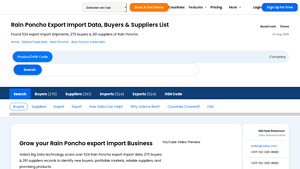
مقدمة: Rain Poncho Export Import Data: 524 total shipments, 270 buyers, 261 suppliers. Key indicators include 9 importing countries and 13 exporting countries. Major suppliers and buyers located in the United States and China. HSN Code: 3926. Recent imports include disposable vinyl rain ponchos and PVC rain ponchos from China to the United States. Recent exports include rain ponchos from China to the Uni…
4. Backpacking Light – Ultralight Poncho
المجال: Backpackinglight.com
مسجل: 2000 (25 سنة)
مقدمة: The backpacking poncho is an ultralight alternative to traditional rain jackets. It provides better ventilation, can function as an ultralight tarp, and has fewer breakable features such as zippers. Ponchos are made from fully waterproof material, are well-ventilated, cover large backpacks, and can serve multiple purposes including a shelter for meals, a ground cloth, and more. They are inexpensiv…
5. Sports Marketing Plus – Customized Rain Ponchos
المجال: Sportsmarketingplus.com
مسجل: 2016 (9 سنوات)
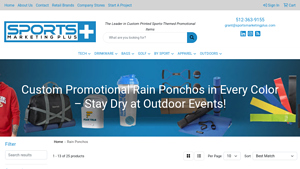
مقدمة: Customized rain ponchos available in every color. Ideal for outdoor events. Fast shipping options. Minimum order of $750 required. Additional fees may apply for credit card payments over $2,000.
Strategic Sourcing Conclusion and Outlook for export rain poncho
In conclusion, the strategic sourcing of rain ponchos presents a robust opportunity for international B2B buyers, particularly those operating in diverse markets such as Africa, South America, the Middle East, and Europe. Key takeaways include the rising demand for eco-friendly and sustainably produced ponchos, which resonate with consumers’ increasing preference for environmentally responsible products. Options like natural rubber and organic cotton not only meet this demand but also enhance brand appeal in competitive markets.
Moreover, customization through branding and promotional opportunities can significantly elevate visibility and consumer engagement during outdoor events and festivals. Buyers should focus on reliable suppliers who offer a blend of quality, sustainability, and cost-effectiveness to ensure a competitive edge.
As we look to the future, leveraging innovative materials and design will be essential for standing out in the saturated rain poncho market. International buyers are encouraged to prioritize partnerships with manufacturers who are committed to sustainable practices and can adapt to changing consumer preferences. Embrace this opportunity to enhance your product offerings and meet the evolving demands of your customers while promoting a greener planet.


 Arabic
  English
  Russian
  Spanish
  Portuguese
  German
  Vietnamese
  Korean
  Japanese