
Introduction: Navigating the Global Market for yellow rain poncho
As international B2B buyers seek effective solutions for unpredictable weather conditions, sourcing high-quality yellow rain ponchos has become a critical component of their procurement strategies. Whether for outdoor events, festivals, or emergency preparedness, the right rain poncho can significantly enhance customer satisfaction and operational efficiency. This comprehensive guide delves into the global market for yellow rain ponchos, covering essential aspects such as types, applications, supplier vetting processes, and cost considerations.
Understanding the diverse offerings available—from lightweight disposable ponchos to durable, high-visibility options designed for heavy rainfall—is vital for making informed purchasing decisions. Each region, including Africa, South America, the Middle East, and Europe, presents unique market dynamics and buyer expectations that can influence product selection and supplier relationships.
This guide aims to empower B2B buyers by providing actionable insights and expert recommendations tailored to their specific needs. By exploring the intricacies of the yellow rain poncho market, buyers will be equipped to identify reliable suppliers, evaluate product quality, and negotiate competitive pricing. Armed with this knowledge, businesses can enhance their product offerings, improve customer experiences, and ultimately drive profitability in a challenging global marketplace.
Understanding yellow rain poncho Types and Variations
| Tipo Nombre | Principales rasgos distintivos | Aplicaciones B2B principales | Breves pros y contras para los compradores |
|---|---|---|---|
| PVC Rain Poncho | Made from 0.10 mm PVC; side snaps; attached hood | Construction, outdoor events | Pros: Durable, waterproof; Contras: Less breathable. |
| Lightweight Disposable Poncho | Compact, foldable, made of polyethylene; single-use | Festivals, emergency kits | Pros: Cost-effective, easy to store; Contras: Not reusable. |
| High-Visibility Poncho | Reflective strips, breathable fabric, adjustable features | Cycling, outdoor sports, safety applications | Pros: Enhanced visibility, comfort; Contras: Precio más elevado. |
| Multi-Purpose Poncho | Versatile design with features like handlebar clips and pockets | Outdoor activities, dog walking | Pros: Functional, portable; Contras: May be bulkier. |
| Fashionable Poncho | Stylish design, often with logos or patterns | Promotional giveaways, events | Pros: Attractive, brand visibility; Contras: May compromise on functionality. |
What are the Characteristics of PVC Rain Ponchos for B2B Buyers?
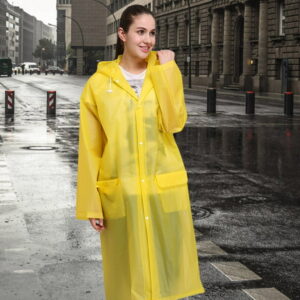
PVC rain ponchos are primarily characterized by their robust construction using 0.10 mm thick PVC material. They typically feature side snaps and an attached hood, making them ideal for various outdoor applications. B2B buyers in construction or outdoor events may find these ponchos particularly beneficial due to their durability and waterproof nature, although they might lack breathability, making them less comfortable in hot conditions. When considering procurement, businesses should assess the volume of use and the environmental conditions in which these ponchos will be employed.
How Do Lightweight Disposable Ponchos Serve B2B Needs?
Lightweight disposable ponchos are designed for single-use scenarios and are made from polyethylene, making them compact and easily storable. These ponchos are ideal for events like festivals or emergency kits where quick and affordable rain protection is needed. While they are extremely cost-effective and convenient, they do not offer the durability of reusable options, which may be a consideration for businesses looking for long-term solutions. B2B buyers should evaluate the frequency of use and storage capabilities when opting for disposable ponchos.
What Features Make High-Visibility Ponchos Essential for Certain Industries?
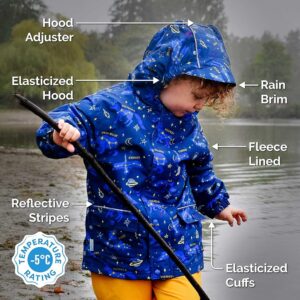
High-visibility ponchos are equipped with reflective strips and breathable fabric, enhancing safety for users in low-light conditions. These ponchos are particularly suited for cycling, outdoor sports, and safety applications where visibility is crucial. B2B buyers in sectors like transportation or event management will appreciate the added safety features, although the higher price point may require justification based on safety compliance and employee welfare. When sourcing these ponchos, businesses should prioritize quality and functionality to ensure maximum protection.
Why Choose Multi-Purpose Ponchos for Versatile Applications?
Multi-purpose ponchos are designed with features that cater to a variety of outdoor activities, including handlebar clips and pockets for convenience. They are especially beneficial for outdoor enthusiasts, such as dog walkers or festival-goers, who require flexibility and ease of use. While these ponchos offer excellent functionality and portability, they may be bulkier than standard designs, which could impact storage and transportation. B2B buyers should consider the specific activities their teams engage in when selecting these ponchos.
How Can Fashionable Ponchos Enhance Brand Visibility?
Fashionable ponchos often incorporate stylish designs, logos, or patterns, making them suitable for promotional giveaways or events. These ponchos not only provide rain protection but also serve as a branding tool, enhancing visibility for companies. However, businesses must weigh the aesthetic appeal against the potential compromise on functionality, as some fashionable designs may not prioritize waterproof capabilities. B2B buyers should assess their branding strategies and target audience preferences when considering fashionable ponchos.
Key Industrial Applications of yellow rain poncho
| Industria/Sector | Specific Application of Yellow Rain Poncho | Valor/beneficio para la empresa | Consideraciones clave para el aprovisionamiento de esta aplicación |
|---|---|---|---|
| Construcción | Worker protection during outdoor tasks in adverse weather | Ensures safety and productivity by keeping workers dry | Durability of materials, compliance with safety regulations |
| Eventos al aire libre | Event staff and attendees protection during festivals and concerts | Enhances attendee experience and safety in inclement weather | Lightweight, portable designs; custom branding options available |
| Agricultura | Protection for farm workers during unpredictable rain showers | Reduces downtime and risk of equipment damage | Breathability, size options for various body types |
| Servicios de emergencia | Rapid deployment for first responders in rain-prone areas | Quick and effective protection during critical operations | Easy storage, visibility features for safety |
| Transporte | Protection for delivery personnel and logistics workers | Maintains operational efficiency and worker comfort | Waterproof materials, ease of use, and visibility features |
How Can Yellow Rain Ponchos Enhance Safety in the Construction Industry?
In the construction sector, yellow rain ponchos serve as essential protective gear for workers exposed to unpredictable weather conditions. These ponchos help maintain productivity by ensuring that workers remain dry and comfortable, which is critical for safety and morale. B2B buyers in this field should prioritize sourcing ponchos made from durable materials that comply with local safety regulations. Additionally, features such as side snaps and attached hoods can provide added functionality, making them suitable for various tasks on-site.
Why Are Yellow Rain Ponchos Essential for Outdoor Events?
For outdoor events such as festivals and concerts, yellow rain ponchos offer a practical solution for both staff and attendees during inclement weather. Their bright color enhances visibility, ensuring safety in crowded environments. B2B buyers in this industry should consider lightweight and portable designs that can be easily distributed, as well as options for custom branding to promote the event. Ensuring that the ponchos are breathable will also enhance comfort for users during prolonged wear.
In What Ways Do Yellow Rain Ponchos Benefit Agricultural Workers?
Agricultural workers often face sudden rain showers that can disrupt their activities and lead to crop damage. Yellow rain ponchos provide an effective barrier against moisture, allowing workers to continue their tasks without risking exposure to the elements. For B2B buyers in agriculture, sourcing ponchos that are breathable and available in various sizes is crucial for accommodating different body types. This ensures comfort and functionality, which can ultimately lead to increased productivity on the farm.
How Do Emergency Services Utilize Yellow Rain Ponchos in the Field?
Emergency services frequently operate in adverse weather conditions, making yellow rain ponchos a vital component of their gear. These ponchos allow first responders to remain dry while attending to critical situations, thus ensuring their effectiveness and safety. B2B buyers in this sector should focus on sourcing ponchos that are easy to store and deploy, with features that enhance visibility in low-light conditions. Quick access and reliable protection are essential for maintaining operational readiness during emergencies.
What Role Do Yellow Rain Ponchos Play in Transportation and Logistics?
In the transportation industry, delivery personnel often encounter rain while on the job. Yellow rain ponchos provide an effective solution to keep workers dry and comfortable, which is essential for maintaining service efficiency. B2B buyers should prioritize sourcing ponchos that are waterproof, lightweight, and easy to wear, with features that enhance visibility for safety. Ensuring that these ponchos can be easily stored in delivery vehicles will also contribute to operational efficiency, allowing workers to quickly adapt to changing weather conditions.
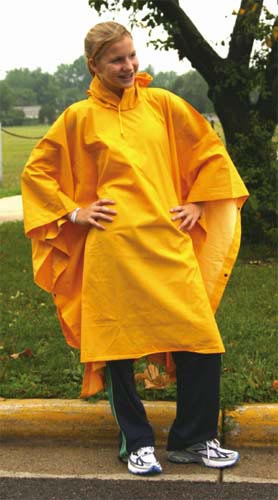
A stock image related to yellow rain poncho.
3 Common User Pain Points for ‘yellow rain poncho’ & Their Solutions
Scenario 1: Sourcing Durable Yellow Rain Ponchos for Outdoor Events
El problema: B2B buyers often face challenges when sourcing yellow rain ponchos that can withstand harsh weather conditions for outdoor events. Many ponchos on the market are made from low-quality materials that tear easily or fail to provide adequate waterproofing. This can lead to dissatisfied customers or employees, especially in industries like event management or outdoor recreation, where reliability is crucial. Additionally, buyers may struggle with finding bulk orders that meet their specifications for size, material, and durability.
La solución: To ensure a reliable supply of durable yellow rain ponchos, B2B buyers should focus on sourcing products from reputable manufacturers that specialize in high-quality rain gear. Look for ponchos made from PVC or polyester with a minimum thickness of 0.10 mm, as these materials provide superior waterproofing and durability. When negotiating with suppliers, request samples to evaluate the quality firsthand. Additionally, consider establishing partnerships with manufacturers who can offer customization options, such as branding or specific sizing, to better meet your needs. This proactive approach can help mitigate the risk of product failure during critical outdoor events.
Scenario 2: Ensuring Visibility and Safety with Yellow Rain Ponchos
El problema: In certain sectors, such as construction or emergency services, visibility during inclement weather is a paramount concern. Standard yellow ponchos may not offer sufficient reflective features, putting workers at risk during low-light conditions. B2B buyers must ensure that the ponchos they provide not only protect against rain but also enhance visibility to comply with safety regulations and protect their workforce.
La solución: When selecting yellow rain ponchos for high-visibility applications, prioritize products that include reflective strips or piping. Look for ponchos designed specifically for safety that meet industry standards for visibility. Suppliers may offer ponchos with features such as adjustable hoods and elastic toggles that improve fit and comfort while ensuring that the wearer remains visible. Consider conducting a risk assessment to understand the specific visibility needs of your workforce and communicate these requirements to suppliers to find the best products that enhance safety without compromising on comfort.
Scenario 3: Managing Costs and Waste with Disposable Yellow Rain Ponchos
El problema: For B2B buyers in industries like hospitality or travel, providing rain protection for large groups can lead to significant costs and waste if not managed properly. Many disposable ponchos are flimsy and easily discarded, leading to environmental concerns and additional costs in waste management. Buyers need solutions that are cost-effective yet environmentally responsible, especially as sustainability becomes a key focus in global markets.
La solución: To address these issues, B2B buyers should consider sourcing biodegradable or recyclable yellow rain ponchos made from eco-friendly materials. While these may have a slightly higher upfront cost, the long-term benefits of reduced waste and improved brand image can outweigh the initial investment. Moreover, implementing a bulk purchasing strategy can lower costs per unit. Buyers can also explore options for ponchos that are lightweight and compact, making them easy to transport and store. Collaborating with suppliers who prioritize sustainability will not only help in managing costs but also align with corporate social responsibility goals, appealing to environmentally conscious customers and stakeholders.
Strategic Material Selection Guide for yellow rain poncho
What Are the Key Materials Used in Yellow Rain Ponchos?
When selecting materials for yellow rain ponchos, it’s essential to consider various factors such as performance, cost, and regional compliance. Here, we analyze four common materials used in the production of yellow rain ponchos: PVC, polyester, nylon, and EVA (Ethylene Vinyl Acetate). Each material has distinct properties that can influence product performance and suitability for specific markets.
How Does PVC Perform in Yellow Rain Ponchos?
PVC (Polyvinyl Chloride) is a widely used material for rain ponchos due to its excellent waterproof properties. It typically has a thickness of around 0.10 mm to 0.35 mm, offering varying levels of durability. PVC is resistant to chemicals and UV light, making it suitable for outdoor use in diverse environments.
Pros: PVC is cost-effective, durable, and provides good water resistance. It is easy to manufacture and can be produced in various thicknesses, allowing for customization based on end-user needs.
Cons: On the downside, PVC can be less breathable than other materials, leading to discomfort in warmer climates. Additionally, it may not be as environmentally friendly, raising concerns for buyers focused on sustainability.
Impact on Application: PVC’s compatibility with various chemicals makes it suitable for industrial applications, but its lack of breathability may limit its use in tropical regions where high humidity is common.
What Advantages Does Polyester Offer for Rain Ponchos?
Polyester is another popular choice for rain ponchos, particularly in high-performance models. It is often combined with waterproof coatings to enhance its water resistance. Polyester is lightweight, durable, and can be engineered to be breathable, making it ideal for active outdoor use.
Pros: The key advantage of polyester is its balance between weight and performance. It dries quickly and is resistant to mildew, which is beneficial in humid climates.
Cons: However, polyester can be more expensive than PVC, and the manufacturing process may be more complex due to the need for additional coatings.
Impact on Application: Polyester ponchos are well-suited for outdoor activities in regions with variable weather, such as Europe and South America, where both rain and humidity are prevalent.
Why Choose Nylon for Yellow Rain Ponchos?
Nylon is known for its strength and flexibility, making it an excellent choice for durable rain ponchos. It is often treated with waterproof coatings, offering a good balance of water resistance and breathability.
Pros: Nylon is lightweight and packs down small, making it ideal for travel and emergency kits. Its durability ensures that it can withstand rough handling.
Cons: The primary drawback is that nylon can be more expensive than PVC and may require additional treatments to enhance its waterproof capabilities.
Impact on Application: Nylon’s lightweight nature makes it suitable for markets where portability is a priority, such as for travelers in Africa and South America.
What Role Does EVA Play in Rain Poncho Manufacturing?
EVA (Ethylene Vinyl Acetate) is a newer material gaining traction for rain ponchos. It is known for its flexibility and resistance to cracking, even in cold temperatures. EVA is also lightweight and can be made into a breathable fabric.
Pros: The flexibility and comfort of EVA make it an attractive option for users who need mobility while staying dry. It is also recyclable, appealing to environmentally conscious buyers.
Cons: EVA can be more expensive than traditional materials like PVC and may not provide the same level of water resistance unless treated.
Impact on Application: EVA is particularly appealing in markets focused on sustainability, such as Europe, where eco-friendly products are increasingly in demand.
Tabla resumen de las propiedades de los materiales
| Material | Typical Use Case for yellow rain poncho | Ventajas clave | Principales desventajas/limitaciones | Coste relativo (Bajo/Medio/Alto) |
|---|---|---|---|---|
| PVC | Industrial and casual use | Rentable y duradero | Menos transpirable | Bajo |
| Poliéster | Actividades al aire libre de alto rendimiento | Ligero y de secado rápido | More expensive and complex manufacturing | Medio |
| Nylon | Travel and emergency kits | Strong and flexible | Higher cost and requires treatments | Alta |
| EVA | Eco-friendly applications | Flexible and recyclable | Higher cost and variable water resistance | Medio |
This strategic material selection guide provides valuable insights for B2B buyers in Africa, South America, the Middle East, and Europe, helping them make informed decisions based on performance, cost, and regional compliance needs.
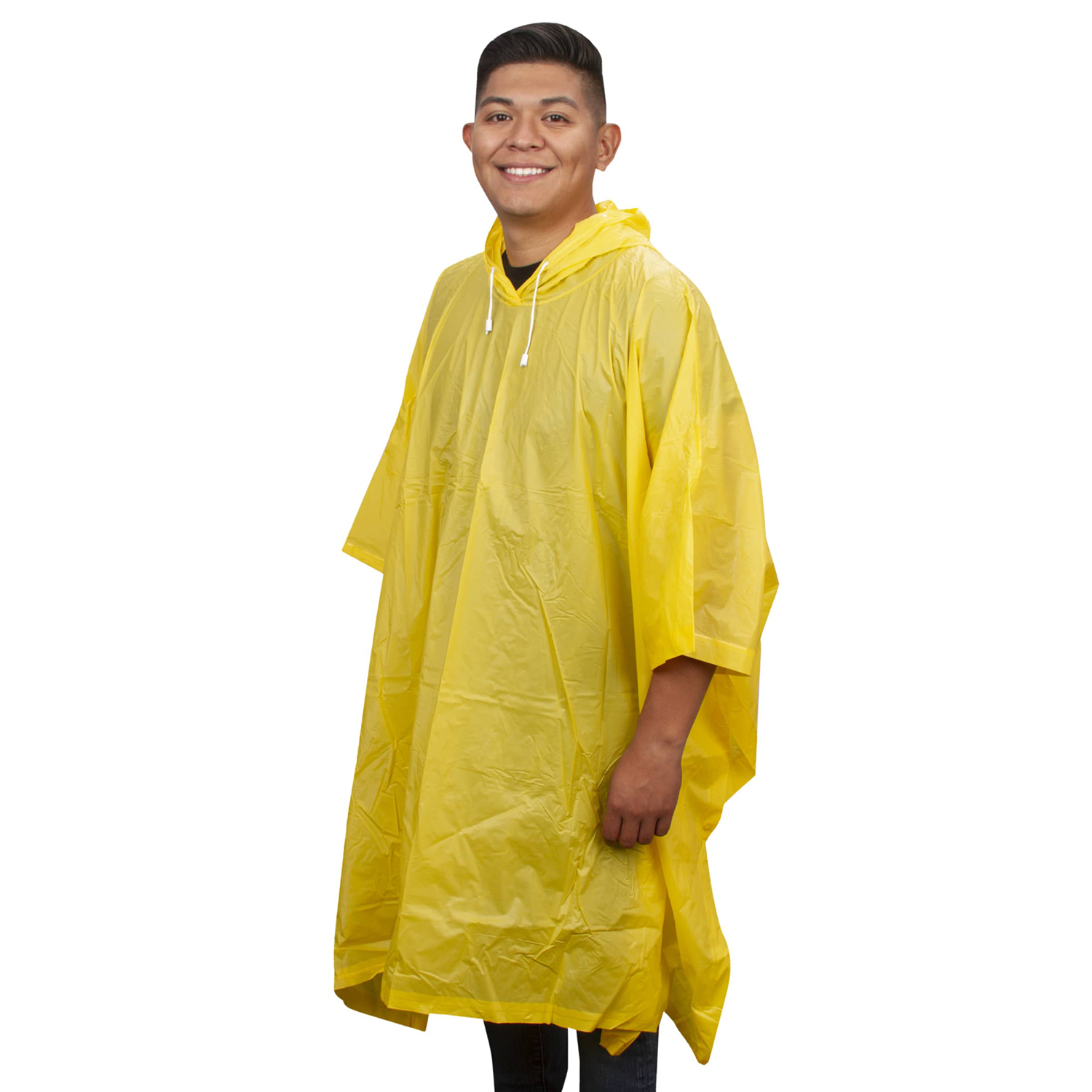
A stock image related to yellow rain poncho.
In-depth Look: Manufacturing Processes and Quality Assurance for yellow rain poncho
What Are the Key Stages in the Manufacturing Process of Yellow Rain Ponchos?
The manufacturing process for yellow rain ponchos typically involves several critical stages: material preparation, forming, assembly, and finishing. Each stage plays a vital role in ensuring the quality and functionality of the final product, catering to various market needs.
How Is Material Prepared for Rain Ponchos?
The first step in manufacturing yellow rain ponchos is material preparation. This involves sourcing high-quality raw materials such as PVC, polyester, or specialized waterproof fabrics like TPU (Thermoplastic Polyurethane). Suppliers often focus on durability, flexibility, and waterproof capabilities.
Once the materials are sourced, they undergo a quality inspection to confirm they meet specific standards for weight, thickness, and waterproofing. This is crucial for ensuring that the ponchos will perform well under various environmental conditions. For instance, a common thickness for PVC ponchos is around 0.10 mm, while higher-end ponchos may utilize multi-layered fabrics that enhance breathability and waterproofing.
What Techniques Are Used for Forming Rain Ponchos?
After the materials are prepared, the next stage is forming. This typically involves cutting the fabric into the necessary shapes and sizes. Advanced cutting techniques, such as laser cutting or die cutting, are often employed to ensure precision and minimize waste. The cut pieces are then subjected to a heat sealing process, which joins the edges without the use of stitching, thereby enhancing waterproof integrity.
In some cases, manufacturers might opt for sewing techniques, particularly for ponchos designed for specific functionalities, such as those with pockets or adjustable hoods. The choice of technique largely depends on the intended use of the poncho—whether for casual wear, outdoor activities, or industrial applications.
¿Cómo se lleva a cabo el proceso de montaje?
The assembly stage brings together all the formed components. For ponchos with additional features, such as detachable hoods or reflective strips, this is where those elements are integrated. Quality control checkpoints (IPQC – In-Process Quality Control) are essential during this stage to ensure that assembly meets the required specifications.
For instance, if a poncho is designed for high visibility, the assembly line must ensure that reflective materials are correctly positioned. This requires skilled labor and often involves manual inspections to catch any defects before moving to the next stage.
What Finishing Touches Are Applied to Yellow Rain Ponchos?
Finishing touches may include additional waterproof treatments, printing of logos or designs, and final inspections. Manufacturers often apply a final coat of waterproofing spray or treatment to enhance the poncho’s performance. This stage is also crucial for aesthetic purposes, ensuring that the ponchos not only function well but also appeal to the target market.
Quality control checkpoints (FQC – Final Quality Control) are essential at this stage to verify the overall quality of the finished products. This includes checking for any visual defects, ensuring that all features function as intended, and confirming that the ponchos meet regulatory standards.
What Quality Assurance Practices Are Essential in Rain Poncho Manufacturing?
Quality assurance (QA) is paramount in the manufacturing of yellow rain ponchos, particularly for B2B buyers who need to ensure that products meet international standards.
Which International Standards Should Buyers Be Aware Of?
International standards such as ISO 9001 are critical for manufacturers aiming to demonstrate quality management systems. Compliance with these standards assures buyers that the manufacturer follows established best practices in quality control and production processes.
Additionally, industry-specific certifications, such as CE marking for products sold in Europe or API standards for industrial applications, are vital. These certifications indicate that the products have been tested and verified to meet specific safety and performance criteria.
What Are Common Quality Control Checkpoints?
Quality control checkpoints are strategically placed throughout the manufacturing process:
- Control de calidad entrante (IQC): Inspecting raw materials upon receipt to ensure they meet specified quality standards.
- Control de calidad durante el proceso (IPQC): Continuous monitoring during production to catch defects early.
- Control de calidad final (CCF): Comprehensive inspection of finished products to ensure they meet all specifications and regulatory requirements.
These checkpoints help maintain high-quality standards and minimize defects, which can affect buyer satisfaction and brand reputation.
¿Cómo pueden los compradores B2B verificar el control de calidad de los proveedores?
For B2B buyers, particularly those sourcing from diverse regions like Africa, South America, the Middle East, and Europe, verifying a supplier’s quality control practices is crucial. Here are some actionable steps buyers can take:
-
Conduct Supplier Audits: Regular audits of manufacturing facilities can provide insights into their quality management systems and practices. This includes reviewing production processes, quality control measures, and employee training programs.
-
Solicitar informes de calidad: Suppliers should provide documentation of their quality control processes, including any certifications they hold and results from recent quality inspections. This transparency helps build trust.
-
Engage Third-Party Inspectors: Utilizing third-party inspection services can provide an unbiased assessment of the manufacturer’s quality standards. These inspectors can evaluate products at various stages of production, ensuring compliance with industry standards.
-
Understand Regional Compliance Nuances: Different regions may have unique compliance requirements. For instance, buyers in Europe must be aware of CE marking, while those in the Middle East may require specific regional certifications. Understanding these nuances can help buyers navigate potential barriers to entry.
By implementing these strategies, B2B buyers can better ensure that they are sourcing high-quality yellow rain ponchos that meet their operational needs and align with their brand values.
Practical Sourcing Guide: A Step-by-Step Checklist for ‘yellow rain poncho’
When sourcing yellow rain ponchos for B2B needs, it’s essential to follow a structured approach to ensure you select the right product and supplier. This guide provides a practical checklist that will help you navigate the procurement process effectively.
Primer paso: Defina sus especificaciones técnicas
Establish clear technical specifications for the ponchos you need. Consider factors such as material (PVC, polyester, etc.), thickness, waterproof ratings, and sizes. Specifying these details will help you communicate your needs to suppliers accurately and ensure the final product meets your requirements.
- Consideraciones materiales: Look for durable, lightweight materials that provide adequate waterproofing, such as PVC or high-quality polyester.
- Talla y ajuste: Determine whether you need standard sizes or custom fits to accommodate your target audience.
Segundo paso: Identifique su mercado objetivo
Understanding your end-users is crucial for sourcing ponchos that meet their needs. Identify whether your market consists of outdoor enthusiasts, festival-goers, or industrial workers, as each segment may require different features.
- Usage Context: Different markets may prioritize features such as breathability for outdoor activities or visibility for safety in industrial settings.
- Preferencias culturales: Consider regional preferences that may influence color, design, and functionality.
Tercer paso: Evaluar posibles proveedores
Before committing to a supplier, conduct thorough evaluations to ensure they can meet your specifications and quality standards. Request company profiles, product samples, and references from existing clients.
- Check Certifications: Ensure the supplier adheres to relevant industry standards, such as ISO certifications or environmental compliance.
- Assess Experience: Look for suppliers with experience in producing rainwear, especially in your target market regions.
Paso 4: Request and Compare Quotes
Once you have a shortlist of potential suppliers, request detailed quotes that outline pricing, minimum order quantities, lead times, and shipping options. Comparing these quotes will help you identify the best value for your investment.
- Cost Transparency: Ensure that all costs, including shipping and potential tariffs, are clearly outlined in the quotes.
- Negotiation Flexibility: Be open to negotiating terms, especially if you plan to place large orders.
Paso 5: Conduct a Quality Assurance Assessment
Quality assurance is critical when sourcing rain ponchos. Request samples to evaluate the product’s quality, including waterproofing, durability, and overall construction.
- Perform Tests: Conduct water resistance tests to ensure the ponchos meet your specifications.
- Inspect Workmanship: Check for defects in seams, closures, and overall finish.
Paso 6: Confirm Logistics and Shipping Arrangements
Plan for the logistics of getting your ponchos from the supplier to your location. Confirm shipping methods, delivery timelines, and any customs requirements that may apply.
- Shipping Method: Choose between air or sea freight based on your urgency and budget.
- Customs Compliance: Ensure that all necessary documentation is in order to avoid delays at customs.
Paso 7: Establish a Communication Plan
Maintain open lines of communication with your chosen supplier throughout the process. Regular updates can help address any potential issues promptly and ensure a smooth procurement experience.
- Regular Check-ins: Schedule periodic updates to track production progress and resolve any concerns.
- Feedback Loop: Establish a system for providing feedback on the product quality and service to foster a strong supplier relationship.
By following this checklist, you can streamline the procurement process for yellow rain ponchos and ensure that you meet the needs of your customers effectively.
Comprehensive Cost and Pricing Analysis for yellow rain poncho Sourcing
What Are the Key Cost Components in Sourcing Yellow Rain Ponchos?
When sourcing yellow rain ponchos, understanding the cost structure is crucial for making informed purchasing decisions. The primary cost components include:
-
Materiales: The choice of materials significantly impacts the cost. Common options include PVC, nylon, and TPU. Each material offers varying degrees of waterproofing, durability, and breathability. For instance, high-quality TPU may be more expensive but offers superior performance.
-
Trabajo: Labor costs can vary widely based on the manufacturing location. Countries with lower labor costs might offer cheaper ponchos, but this could come at the expense of quality. Ensure that labor practices comply with international standards to avoid ethical concerns.
-
Gastos generales de fabricación: This includes costs related to factory operations, utilities, and administrative expenses. Efficient manufacturing processes can lower these costs, affecting the final price.
-
Herramientas: This refers to the investment in molds and equipment used to manufacture the ponchos. High initial tooling costs may be amortized over larger production runs, making bulk purchases more economical.
-
Control de calidad: Implementing robust QC processes ensures product reliability and compliance with safety standards. However, this adds to the overall cost, so it’s essential to weigh the benefits against expenses.
-
Logística: Shipping and handling costs can significantly influence the total cost, especially for international orders. Consider the distance, shipping method, and any customs duties that may apply.
-
Margen: Suppliers will typically add a margin to cover their costs and profit. This can vary based on market demand and competition.
How Do Price Influencers Affect Yellow Rain Poncho Sourcing?
Several factors can influence the pricing of yellow rain ponchos:
-
Volumen/MOQ: Minimum Order Quantities (MOQ) often dictate pricing. Larger orders can lead to significant discounts, making it beneficial for buyers to consolidate purchases.
-
Especificaciones y personalización: Custom features like branding, specific sizes, or additional functionalities (e.g., pockets, reflective strips) can increase costs. Standardized products tend to be more affordable.
-
Materiales y certificaciones de calidad: Higher-quality materials and certifications (e.g., ISO standards) generally lead to higher prices. Buyers should assess whether the additional costs align with their needs.
-
Factores del proveedor: The reputation and reliability of the supplier can affect pricing. Established suppliers may charge more due to their track record of quality and service.
-
Incoterms: The choice of Incoterms (e.g., FOB, CIF) will affect logistics costs and responsibilities. Understanding these terms is essential for managing total costs effectively.
What Are Essential Buyer Tips for Sourcing Yellow Rain Ponchos Internationally?
-
Negociación: Always negotiate pricing and terms. Suppliers may offer discounts based on order size or payment terms. Building a strong relationship can lead to better deals over time.
-
Rentabilidad: Analyze the Total Cost of Ownership (TCO), which includes not just the purchase price but also logistics, storage, and potential returns. This holistic view can guide more informed decisions.
-
Matización de precios para compradores internacionales: Understand regional pricing strategies and market dynamics. For instance, buyers in Africa may face different tariffs and logistics challenges compared to those in Europe.
-
Quality Assessment: Always request samples to evaluate quality before committing to larger orders. This is especially important when dealing with overseas suppliers to mitigate risks associated with quality discrepancies.
-
Compliance and Standards: Ensure that the ponchos meet local regulations and safety standards in your target market. This will prevent costly penalties and enhance market acceptance.
Descargo de responsabilidad sobre los precios indicativos
Prices for yellow rain ponchos can vary widely based on the aforementioned factors. The figures presented in this analysis are indicative and should be confirmed with specific suppliers. Always conduct due diligence to ensure the best value for your investment.
Alternatives Analysis: Comparing yellow rain poncho With Other Solutions
When considering rain protection solutions, it’s essential to evaluate alternatives to the traditional yellow rain poncho. Each option can vary significantly in performance, cost, and usability, which are crucial factors for B2B buyers in various industries, especially in regions frequently affected by heavy rainfall. The following analysis compares the yellow rain poncho with two viable alternatives: waterproof rain jackets and disposable rain ponchos.
| Aspecto comparativo | Yellow Rain Poncho | Chubasquero impermeable | Poncho de lluvia desechable |
|---|---|---|---|
| Rendimiento | Good waterproofing, but less breathability | Excellent waterproofing and breathability | Impermeabilidad básica, durabilidad limitada |
| Coste | Moderate, typically $5-$30 per unit | Higher, generally $30-$100 per unit | Low, usually $1-$5 per unit |
| Facilidad de aplicación | Simple to wear, one-size-fits-all | Requires size selection, may need adjustments | Ready to use right out of the package |
| Mantenimiento | Minimal, typically machine washable | Requiere lavados y cuidados regulares | De un solo uso, no necesita mantenimiento |
| El mejor caso de uso | General outdoor activities and festivals | Hiking, cycling, and professional use | Events, emergencies, or temporary use |
What Are the Benefits and Drawbacks of Waterproof Rain Jackets Compared to Yellow Rain Ponchos?
Waterproof rain jackets offer superior performance, particularly in terms of breathability and fit. Made with advanced materials, these jackets provide enhanced comfort during extended wear, making them ideal for outdoor professionals and enthusiasts. However, the higher cost can be a barrier for bulk purchases, particularly in budget-sensitive markets. Additionally, they require regular maintenance, which may not suit all users.
How Do Disposable Rain Ponchos Stack Up Against Yellow Rain Ponchos?
Disposable rain ponchos are an economical choice for short-term use, perfect for events or emergencies where quick access to rain protection is crucial. They are lightweight and easy to store, making them ideal for festivals or outdoor gatherings. However, their performance is limited; they generally offer basic waterproofing and are not designed for durability, often tearing easily in windy conditions. This makes them less suitable for repeated use or harsh weather.
Conclusion: How Can B2B Buyers Choose the Right Rain Protection Solution?
B2B buyers should carefully assess their specific needs when selecting a rain protection solution. If durability and comfort are priorities, investing in waterproof rain jackets may be worthwhile despite the higher upfront cost. For short-term or occasional use, disposable ponchos provide a cost-effective solution. However, for general outdoor activities, a yellow rain poncho strikes a balance between affordability and functionality, making it a versatile choice for many businesses. Ultimately, understanding the unique requirements of your operations and the environmental conditions you face will guide you to the most suitable product.
Essential Technical Properties and Trade Terminology for yellow rain poncho
What Are the Key Technical Properties of a Yellow Rain Poncho?
When sourcing yellow rain ponchos for various applications, understanding their technical properties is crucial for ensuring quality and performance. Here are some essential specifications that B2B buyers should consider:
-
Composición del material
The most common materials for yellow rain ponchos include PVC (polyvinyl chloride), polyester, and EVA (ethylene-vinyl acetate). Each material has different properties affecting waterproofing, durability, and flexibility. PVC is known for its excellent waterproof qualities, while polyester offers breathability and lightweight characteristics. Understanding the material helps buyers select ponchos that meet specific environmental conditions and user needs. -
Grado de impermeabilidad
This specification indicates how well the poncho can withstand water pressure, often measured in millimeters (mm). A higher rating, such as 10,000 mm, means the poncho can resist heavy rainfall for extended periods. For buyers operating in regions with frequent heavy rains, a high waterproof rating is essential to ensure user comfort and protection. -
Espesor
The thickness of the material, typically measured in millimeters (mm), affects both durability and weight. For instance, a thickness of 0.10 mm might provide basic protection suitable for light rain, while thicker materials (up to 0.35 mm) offer enhanced durability for rugged use. Buyers should assess the thickness based on the intended application—casual use versus industrial or outdoor activities. -
Talla y ajuste
Ponchos are often designed in a one-size-fits-all format, but dimensions can vary significantly. Common sizes range from 52″ x 80″ to other measurements that accommodate different body types and activities. For B2B transactions, ensuring the poncho fits a diverse user base is vital, especially for bulk orders in sectors like event management or outdoor recreation. -
Características de diseño
Important design elements include hoods, snaps, and pockets. Hoods can be detachable or adjustable, enhancing functionality. Snaps or zippers can offer better closure and protection against wind. Pockets provide storage options for essentials. These features can be critical selling points in B2B negotiations, catering to specific user needs. -
Portability
Lightweight and compact designs facilitate ease of transport and storage. Ponchos that can be folded into small sizes or come with carrying bags are particularly appealing for outdoor activities, events, or emergency kits. Buyers should consider how portability aligns with their target market’s lifestyle.
What Are Common Trade Terms Relevant to Yellow Rain Ponchos?
Understanding industry-specific terminology can enhance communication between buyers and suppliers. Here are some key trade terms:
-
OEM (fabricante de equipos originales)
This term refers to companies that produce goods for another brand, which then sells them under its own name. For B2B buyers, partnering with OEMs can allow for customization of rain ponchos to meet specific market demands or branding requirements. -
MOQ (Cantidad mínima de pedido)
MOQ specifies the smallest number of units a supplier is willing to sell. Knowing the MOQ is essential for buyers to determine if they can meet inventory needs without overcommitting resources. -
RFQ (solicitud de presupuesto)
An RFQ is a document sent to suppliers requesting pricing information for specific products. For yellow rain ponchos, a well-structured RFQ can help buyers gather competitive offers, ensuring they make informed purchasing decisions. -
Incoterms (Términos comerciales internacionales)
These are predefined international trade terms that clarify responsibilities between buyers and sellers regarding shipping, insurance, and tariffs. Familiarity with Incoterms is crucial for B2B buyers to understand the logistics and costs associated with importing yellow rain ponchos from different regions. -
Plazos de entrega
This refers to the time taken from placing an order until it is delivered. Understanding lead times is vital for inventory planning, especially in industries with seasonal demand fluctuations. -
Normas de certificación
These refer to the compliance and quality standards that products must meet, such as ISO or CE markings. Certifications ensure that the ponchos meet specific safety and environmental regulations, which is increasingly important for buyers in regions with strict compliance requirements.
By familiarizing themselves with these technical properties and trade terms, B2B buyers can make more informed decisions when sourcing yellow rain ponchos, ensuring they meet their operational needs and market expectations.
Navigating Market Dynamics and Sourcing Trends in the yellow rain poncho Sector
What Are the Key Market Dynamics and Trends Affecting the Yellow Rain Poncho Sector?
The yellow rain poncho market is experiencing significant shifts driven by global climate change, urbanization, and increasing outdoor activities. These factors have led to a heightened demand for reliable, portable rain protection, particularly in regions such as Africa, South America, the Middle East, and Europe. International B2B buyers are particularly interested in ponchos that offer high visibility, durability, and versatility for various uses—from outdoor festivals to emergency preparedness.
Emerging trends in sourcing technology have revolutionized how businesses approach procurement. The rise of e-commerce platforms and B2B marketplaces has simplified the sourcing process, allowing buyers to access a wider range of suppliers and products quickly. Data analytics tools are being utilized to forecast demand and optimize inventory, ensuring that businesses can respond effectively to seasonal fluctuations in poncho sales. Additionally, advancements in materials technology, such as lightweight, breathable fabrics with waterproof capabilities, are shaping product offerings, catering to consumers’ needs for comfort and functionality.
As buyers look for competitive pricing and innovative designs, it’s critical to stay informed about regional market dynamics. For instance, in Africa and South America, there is a growing emphasis on affordable, disposable ponchos for events and festivals, while in Europe and the Middle East, quality and sustainability are increasingly prioritized. Understanding these nuances will enable B2B buyers to make informed sourcing decisions that align with market demands.
How Are Sustainability and Ethical Sourcing Influencing the Yellow Rain Poncho Market?
Sustainability has become a cornerstone in the yellow rain poncho sector, with increasing pressure on manufacturers to adopt eco-friendly practices. The environmental impact of production processes and materials used in poncho manufacturing is under scrutiny. Buyers are now more inclined to seek out products made from recycled or biodegradable materials, which not only meet consumer demand for sustainability but also adhere to regulatory standards in various regions.
Ethical sourcing is equally important, as consumers are becoming more aware of the social implications of their purchases. B2B buyers should prioritize suppliers who demonstrate transparency in their supply chains, ensuring fair labor practices and minimizing carbon footprints. Certifications such as Global Organic Textile Standard (GOTS) or OEKO-TEX® Standard 100 can serve as benchmarks for identifying sustainable and ethically produced ponchos.
Moreover, brands that emphasize sustainability are likely to gain a competitive edge, as they appeal to environmentally conscious consumers. By integrating sustainability into their sourcing strategies, B2B buyers can not only enhance their brand reputation but also contribute to a more sustainable future, aligning with global trends toward responsible consumption.
What Is the Historical Context of the Yellow Rain Poncho Market?
The yellow rain poncho has evolved significantly since its inception, originally designed for functionality rather than fashion. Initially utilized primarily by outdoor workers and military personnel, the poncho gained popularity in the late 20th century as recreational activities surged, especially in urban settings.
As consumer preferences shifted, manufacturers began introducing ponchos in a variety of materials and designs, focusing on waterproofing and breathability. The rise of outdoor festivals and sports events in the 21st century further propelled the demand for stylish, lightweight ponchos, transforming them into a staple for festival-goers and outdoor enthusiasts alike. This evolution reflects broader trends in consumer behavior, where practicality meets style, making the yellow rain poncho a versatile product for diverse markets.
Understanding this historical context can help B2B buyers appreciate the product’s journey and the innovative solutions now available to meet contemporary needs.
Frequently Asked Questions (FAQs) for B2B Buyers of yellow rain poncho
-
How do I ensure the quality of yellow rain ponchos from suppliers?
To ensure the quality of yellow rain ponchos, conduct thorough supplier vetting by requesting samples before placing large orders. Look for certifications such as ISO or compliance with international safety standards. Additionally, consider performing quality assurance inspections during production and before shipment. Collaborating with third-party quality control agencies can also provide an unbiased evaluation of the products, ensuring they meet your specifications and standards for durability and waterproofing. -
What is the best material for yellow rain ponchos in various climates?
The best material for yellow rain ponchos depends on the climate and intended use. For humid and hot climates, breathable materials like TPU (thermoplastic polyurethane) or lightweight polyester are ideal, as they allow airflow while providing waterproofing. In colder or wetter regions, thicker PVC or polyester blends may offer better insulation and protection against heavy rain. Always consider the weight and packability of the material for ease of transport, especially for outdoor events or emergency kits. -
What customization options are available for yellow rain ponchos?
Customization options for yellow rain ponchos typically include color, size, logo printing, and additional features like pockets or reflective strips. Many manufacturers offer tailored designs to meet specific branding or functional requirements. Discuss your needs with potential suppliers to understand their capabilities and minimum order quantities for custom designs. This can enhance your brand visibility while ensuring the ponchos meet your target market’s preferences. -
What are the typical minimum order quantities (MOQs) for yellow rain ponchos?
Minimum order quantities for yellow rain ponchos can vary significantly based on the supplier and the customization required. Generally, MOQs range from 100 to 1000 units for bulk orders. It’s advisable to inquire with multiple suppliers to find one that aligns with your budget and inventory needs. Be aware that lower MOQs may come with higher per-unit costs, while larger orders often provide better pricing opportunities. -
What payment terms should I expect when sourcing yellow rain ponchos internationally?
Payment terms for international orders of yellow rain ponchos can vary widely based on the supplier’s policies and your negotiation skills. Common terms include a 30% deposit upfront with the balance due upon shipment or delivery. Some suppliers may offer net 30 or net 60 terms, allowing additional time for payment after receiving goods. Always clarify payment methods accepted (e.g., wire transfer, letter of credit) and consider using escrow services for added security in transactions. -
How can I efficiently handle logistics for importing yellow rain ponchos?
Efficient logistics management for importing yellow rain ponchos involves selecting reliable freight forwarders who specialize in international shipping. Understand the customs regulations and duties applicable to your region to avoid delays. It’s also beneficial to track shipments in real-time and maintain communication with suppliers throughout the shipping process. Consider consolidating shipments to reduce costs and ensure timely delivery, especially if sourcing from multiple suppliers. -
What are the common certifications for yellow rain ponchos, and why are they important?
Common certifications for yellow rain ponchos include CE marking for European markets and ASTM standards for the U.S. These certifications indicate compliance with safety and performance standards, ensuring the ponchos provide adequate protection. They are essential for building trust with customers and ensuring that the products meet regulatory requirements in your target markets. Always request documentation of these certifications from suppliers to verify compliance. -
How can I assess the demand for yellow rain ponchos in my target market?
To assess demand for yellow rain ponchos in your target market, conduct market research through surveys, focus groups, and analysis of competitor offerings. Explore trends in outdoor activities, travel, and event planning, as these can influence poncho demand. Additionally, utilize online tools like Google Trends and social media analytics to gauge interest. Collaborating with local distributors can also provide insights into customer preferences and purchasing behavior, helping you tailor your inventory effectively.
Descargo de responsabilidad y condiciones de uso
⚠️ Descargo de responsabilidad importante
La información facilitada en esta guía, incluido el contenido relativo a fabricantes, especificaciones técnicas y análisis de mercado, tiene únicamente fines informativos y educativos. No constituye asesoramiento profesional en materia de adquisiciones, asesoramiento financiero ni asesoramiento jurídico.
Aunque hemos hecho todo lo posible por garantizar la exactitud y actualidad de la información, no nos hacemos responsables de posibles errores, omisiones o información obsoleta. Las condiciones del mercado, los detalles de las empresas y las normas técnicas están sujetos a cambios.
Los compradores B2B deben llevar a cabo su propia diligencia debida independiente y exhaustiva antes de tomar cualquier decisión de compra. Esto incluye ponerse en contacto directamente con los proveedores, verificar las certificaciones, solicitar muestras y buscar asesoramiento profesional. El riesgo de confiar en la información contenida en esta guía es responsabilidad exclusiva del lector.
Top 4 Yellow Rain Poncho Manufacturers & Suppliers List
1. Durawear – Yellow Rain Poncho with Hood
Dominio: durawear.com
Matriculado: 1999 (26 años)
Introducción: {“product_name”: “Durawear Yellow Rain Poncho with Attached Hood”, “sku”: “1026”, “material”: “0.10 mm PVC”, “size”: “52” x 80″”, “features”: [“Attached hood”, “Side snaps”, “All one piece”], “price”: “$5.15”, “original_price”: “$7.50”, “discount”: “31%”, “availability”: “Typically Ships In 1-3 Business Days”, “minimum_purchase”: “6 units”}
2. Smart Savers – Yellow Lightweight Rain Poncho
Dominio: hemlockhardware.com
Inscrito: 2003 (22 años)
Introducción: {‘title’: ‘Smart Savers 52 In. x 40 In. Yellow Lightweight Rain Poncho’, ‘sku’: ‘991606’, ‘price’: ‘$3.00’, ‘inventory_quantity’: 144, ‘material’: ‘durable polyethylene’, ‘dimensions’: ’52 In. x 40 In.’, ‘available’: True, ‘shipping_required’: True, ‘images’: [{‘src’: ‘//hemlockhardware.com/cdn/shop/products/991606.jpg?v=1652326285’, ‘alt’: ‘Smart Savers 52 In. x 40 In. Yellow Lightweight Rain Pon…
3. The Peoples – Fisherman’s Yellow Poncho 3.0
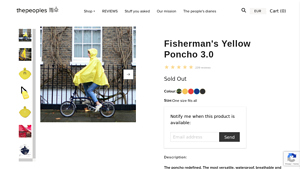
Dominio: thepeoples.co
Registrado: 2018 (7 años)
Introducción: Product Name: Fisherman’s Yellow Poncho 3.0
Price: $91.00
Color: Yellow
Size: One size fits all
Weight: 460 grams
Dimensions: B 130 x 97 cm (L without hood)
Material: Waterproof TPU material with a 3-layered membrane (Japanese polyester, TPU coating ~ 12,000 millimeters, Tricot Knit for breathability)
Waterproof Rating: 10,000 mm/cm2 water column pressure
Características:
– Waterproof and breathable
– C…
4. Darman – Yellow Rain Poncho
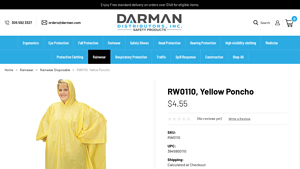
Dominio: darman.com
Inscrito: 1996 (29 años)
Introducción: {“product_name”: “Yellow Rain Poncho”, “model”: “RW0110”, “size”: “One Size Fits Most”, “price”: “$4.55”, “availability”: “In stock”, “reviews”: “No reviews yet”}
Strategic Sourcing Conclusion and Outlook for yellow rain poncho
In the ever-evolving market for yellow rain ponchos, strategic sourcing emerges as a crucial element for B2B buyers aiming to optimize their procurement processes. By understanding the diverse offerings—from lightweight, disposable ponchos ideal for festivals to durable, high-visibility options suitable for outdoor work—businesses can tailor their purchasing decisions to meet specific regional demands.
Investing in quality ponchos not only enhances customer satisfaction but also fosters brand loyalty, especially in sectors where weather conditions are unpredictable. Buyers should prioritize suppliers who demonstrate robust supply chains, reliable delivery schedules, and the capacity for customization to cater to local preferences.
Looking ahead, the demand for versatile rain protection is set to rise, particularly in developing markets across Africa, South America, the Middle East, and Europe. As climate patterns shift, the need for durable and functional rainwear will become increasingly apparent. Now is the time for international buyers to engage with manufacturers who can offer innovative solutions and competitive pricing. Take the next step in your sourcing journey by exploring partnerships that align with your business goals and customer needs.


 Spanish
  English
  Russian
  Arabic
  Portuguese
  German
  Vietnamese
  Korean
  Japanese