
Introduction: Navigating the Global Market for motorcycle rain suits
Motorcycle rain suits are essential for riders who face unpredictable weather, yet sourcing high-quality, durable options can be a challenge for B2B buyers in diverse international markets. With varying climates across regions like Africa, South America, the Middle East, and Europe, the demand for reliable rain gear is ever-increasing. This guide addresses the complexities of selecting the right motorcycle rain suits by providing an in-depth analysis of types, applications, supplier vetting processes, and cost considerations.
Understanding the nuances of the global market is crucial for businesses looking to invest in rain gear that meets the unique needs of their customers. From lightweight, packable options ideal for urban commuting to heavy-duty suits designed for long-distance touring in torrential rain, this guide equips buyers with the necessary insights to make informed decisions.
Additionally, we delve into supplier credibility, ensuring that buyers can identify trustworthy manufacturers capable of delivering high-performance products. By navigating the intricate landscape of motorcycle rain suits, this guide empowers businesses to enhance their product offerings, cater to diverse customer preferences, and ultimately drive sales. Whether you’re based in Brazil or Vietnam, our comprehensive resource will help you align your procurement strategy with market demands, ensuring your riders stay dry and comfortable, no matter the conditions.
Understanding motorcycle rain suits Types and Variations
| 유형 이름 | 주요 차별화 기능 | 주요 B2B 애플리케이션 | 구매자를 위한 간략한 장단점 |
|---|---|---|---|
| One-Piece Rain Suits | Seamless design, fully waterproof, often includes a hood | Long-distance touring, adventure riding | 장점: Comprehensive coverage, less chance of water ingress. 단점: Can be cumbersome to wear and remove. |
| Two-Piece Rain Suits | Separate jacket and pants, flexible layering options | Commuting, casual riding | 장점: Versatile, easier to wear over existing gear. 단점: Potential for leaks at the jacket-pant junction. |
| Packable Rain Suits | Lightweight, compact, designed for easy storage | Touring, emergency use | 장점: Highly portable, ideal for unexpected weather. 단점: May sacrifice durability for weight. |
| High-Visibility Suits | Bright colors, reflective materials for safety | Urban commuting, night riding | 장점: Enhances visibility in low-light conditions. 단점: Limited color options for style-conscious buyers. |
| 보온 레인 수트 | Additional thermal layers for cold weather | Year-round riding, colder climates | 장점: Provides warmth alongside waterproofing. 단점: Bulkier, may be too warm in mild conditions. |
What Are the Key Features of One-Piece Rain Suits?
One-piece rain suits are designed for maximum coverage and protection against the elements. Their seamless construction minimizes the risk of water ingress, making them ideal for long-distance touring and adventure riding. B2B buyers should consider the material’s durability and waterproof ratings, as these factors significantly impact performance in harsh weather conditions. While they offer comprehensive coverage, their bulkiness can be a drawback for some riders who prefer more flexibility.
How Do Two-Piece Rain Suits Offer Flexibility?
Two-piece rain suits consist of separate jackets and pants, providing riders with the flexibility to layer according to their needs. This configuration is particularly beneficial for commuting and casual riding, allowing riders to wear the suit over their existing gear. When purchasing, B2B buyers should evaluate the quality of zippers and seams to prevent leaks, especially at the junction points. While they are convenient, the potential for water to enter at the interface between the jacket and pants is a consideration.
Why Choose Packable Rain Suits for Touring?
Packable rain suits are designed for riders who prioritize convenience and storage. These lightweight suits can easily fit into a saddlebag or backpack, making them an excellent choice for touring and emergency situations. B2B buyers should assess the balance between weight and durability, as more lightweight options may compromise longevity. While their portability is a significant advantage, it’s essential to ensure they maintain adequate waterproofing capabilities.
What Are the Advantages of High-Visibility Suits?
High-visibility rain suits incorporate bright colors and reflective materials, enhancing safety during urban commuting and night riding. These features are crucial for B2B buyers focusing on safety gear for fleet operations or urban environments. When selecting these suits, it’s important to consider the visibility standards they meet, as well as their waterproof capabilities. Although they improve safety, the limited color options may not appeal to all riders, particularly those concerned with aesthetics.
How Do Insulated Rain Suits Perform in Cold Weather?
Insulated rain suits are designed to provide warmth alongside waterproofing, making them suitable for year-round riding in colder climates. B2B buyers should evaluate the insulation material, as it significantly affects both warmth and breathability. While these suits are excellent for maintaining comfort in cold, wet conditions, their bulkiness may be a disadvantage in milder weather, where a lighter option would suffice. Understanding the climate conditions in which these suits will be used is essential for making informed purchasing decisions.
Key Industrial Applications of motorcycle rain suits
| 산업/섹터 | Specific Application of motorcycle rain suits | 비즈니스를 위한 가치/혜택 | 이 애플리케이션의 주요 소싱 고려 사항 |
|---|---|---|---|
| Logistics and Transportation | Delivery and courier services in adverse weather conditions | Ensures timely deliveries while protecting riders from rain, thus maintaining service reliability. | Look for lightweight, durable materials that are waterproof and breathable. Ensure suits are easy to pack and carry. |
| Tourism and Adventure Travel | Guided motorcycle tours in regions prone to rain, such as Patagonia | Enhances customer experience by keeping riders dry, promoting safety and comfort during tours. | Prioritize high-visibility options and suits with thermal insulation for varying climates. Consider bulk purchasing for tour groups. |
| Public Safety and Emergency Services | Use by police and emergency responders on motorcycles during rain | Improves visibility and safety for personnel while on duty, ensuring effective response in all weather. | Source suits with reflective materials and reinforced seams for durability and safety. Ensure compliance with local safety regulations. |
| Agriculture and Rural Transport | Transporting goods or personnel in rural areas during rainy seasons | Facilitates reliable transportation in challenging weather, minimizing downtime and losses. | Seek suits that are rugged and easy to clean, with features suited for outdoor work environments. Evaluate local climate conditions for material selection. |
| Motorcycle Rentals and Dealerships | Providing rental options for customers in rainy regions | Increases customer satisfaction and safety, attracting more rentals during wet seasons. | Ensure a range of sizes and styles are available, focusing on cost-effectiveness and ease of maintenance. |
How Are Motorcycle Rain Suits Used in Logistics and Transportation?
In the logistics and transportation sector, motorcycle rain suits are crucial for delivery and courier services operating in regions with unpredictable weather. These suits protect riders from rain, ensuring they can complete deliveries without delays. By maintaining a reliable service during adverse conditions, businesses can enhance their reputation and customer satisfaction. When sourcing, companies should prioritize lightweight, durable materials that are both waterproof and breathable, allowing for comfort during long rides.
What Role Do Motorcycle Rain Suits Play in Tourism and Adventure Travel?
Tourism and adventure travel businesses frequently utilize motorcycle rain suits for guided tours in areas known for inclement weather, such as Patagonia. These suits significantly improve the customer experience by keeping riders dry and comfortable, ultimately promoting safety and enjoyment during the ride. Buyers in this sector should focus on high-visibility options and suits with thermal insulation to accommodate varying climates. Bulk purchasing can be a cost-effective strategy for tour operators looking to equip groups.
Why Are Motorcycle Rain Suits Important for Public Safety and Emergency Services?
Motorcycle rain suits are vital for public safety and emergency services personnel who may need to respond to incidents in wet conditions. These suits enhance visibility and safety, allowing officers to perform their duties effectively regardless of weather challenges. When sourcing rain suits for this application, organizations should look for options made with reflective materials and reinforced seams to ensure durability and compliance with local safety regulations.
How Do Motorcycle Rain Suits Benefit Agriculture and Rural Transport?
In agricultural sectors and rural transport, motorcycle rain suits are essential for transporting goods and personnel during rainy seasons. They help minimize downtime and losses by ensuring reliable transportation in challenging weather conditions. Buyers in this industry should seek rugged suits that are easy to clean and designed for outdoor work environments. Additionally, evaluating local climate conditions is crucial for selecting appropriate materials that can withstand frequent exposure to wet weather.
What Advantages Do Motorcycle Rain Suits Offer for Motorcycle Rentals and Dealerships?
Motorcycle rentals and dealerships can significantly benefit from offering motorcycle rain suits to customers, especially in regions where rain is common. Providing these suits increases customer satisfaction and safety, encouraging rentals even during wet seasons. When sourcing, dealerships should ensure a variety of sizes and styles are available, focusing on cost-effectiveness and ease of maintenance to enhance the customer experience.

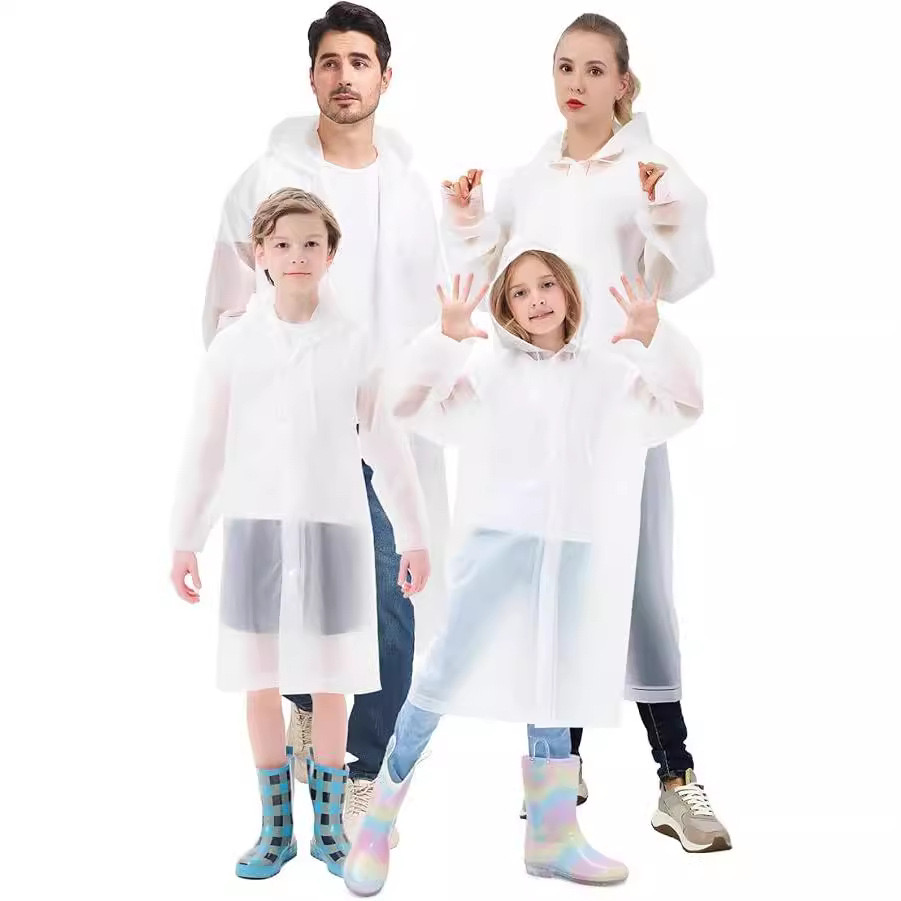
A stock image related to motorcycle rain suits.
3 Common User Pain Points for ‘motorcycle rain suits’ & Their Solutions
Scenario 1: Sizing Issues Leading to Product Returns
문제: B2B buyers often struggle with sizing discrepancies when sourcing motorcycle rain suits. Different manufacturers may have varying sizing standards, making it challenging to ensure a proper fit for all riders. This can lead to increased return rates, additional shipping costs, and dissatisfied customers. For businesses operating in regions like Africa or South America, where returns can be complicated and costly, this issue is magnified, ultimately impacting profitability and customer relationships.
솔루션: To mitigate sizing issues, buyers should conduct thorough research on sizing charts from each manufacturer and consider ordering samples for size verification. Engaging in direct communication with suppliers can also clarify sizing nuances. Furthermore, implementing a standardized sizing guide for your customers, based on the most common body types in your target market, can streamline the ordering process. Consider offering a size exchange program, allowing customers to swap sizes without incurring high shipping costs. This proactive approach not only reduces return rates but also fosters customer loyalty by demonstrating commitment to their satisfaction.
Scenario 2: Durability Concerns with Rain Gear
문제: One significant concern for B2B buyers is the durability of motorcycle rain suits, especially when catering to markets with extreme weather conditions. Buyers often receive feedback about suits that wear out quickly under harsh conditions, leading to customer dissatisfaction and brand damage. This is particularly crucial for businesses operating in regions like the Middle East, where high temperatures can exacerbate material degradation.
솔루션: When sourcing motorcycle rain suits, prioritize suppliers that utilize high-quality, durable materials such as GORE-TEX or other reinforced fabrics known for their weather resistance and longevity. Conducting field tests or seeking third-party testing certifications can provide assurance of the product’s durability. Additionally, consider offering a warranty or guarantee that reflects the quality of the rain suits. Educating customers on proper care and maintenance, such as cleaning and storage recommendations, can also extend the lifespan of the suits, further enhancing customer satisfaction.
Scenario 3: Lack of Visibility in Low-Light Conditions
문제: Riders face significant safety risks when visibility is compromised during rain, especially in low-light conditions. B2B buyers are often concerned about the safety features of motorcycle rain suits, as inadequate visibility can lead to accidents. This is a critical issue for buyers in regions with frequent rain and low-light conditions, such as parts of Europe, where safety regulations may also dictate the need for high-visibility gear.
솔루션: To address visibility concerns, buyers should prioritize sourcing rain suits that feature reflective materials or high-visibility colors. Collaborating with manufacturers who specialize in safety gear can provide access to innovative products designed with visibility in mind. Additionally, consider bundling rain suits with complementary high-visibility accessories, such as vests or helmets, to enhance overall rider safety. Providing educational materials to customers on the importance of visibility during adverse weather conditions can also reinforce the value of investing in high-visibility rain gear, fostering a safer riding environment.
Strategic Material Selection Guide for motorcycle rain suits
When selecting materials for motorcycle rain suits, B2B buyers must consider various factors that impact performance, durability, and cost-effectiveness. The following analysis explores four common materials used in motorcycle rain suits, highlighting their properties, advantages, disadvantages, and specific considerations for international markets.
What are the Key Properties of Polyester in Motorcycle Rain Suits?
Polyester is a synthetic fabric known for its water-resistant properties and durability. It typically has a temperature rating that can withstand moderate heat, making it suitable for various climates. Polyester’s resistance to shrinking and stretching adds to its longevity, making it a popular choice for motorcycle rain suits.
장점: Polyester is relatively inexpensive and easy to manufacture, which translates to lower costs for B2B buyers. It is also lightweight, making it comfortable for riders during long journeys.
단점: While polyester is water-resistant, it may not be entirely waterproof unless treated with a waterproof coating. Additionally, it can retain moisture if not properly ventilated, leading to discomfort.
애플리케이션에 미치는 영향: Polyester is compatible with a wide range of weather conditions, but its performance may vary based on treatment and layering. Buyers should ensure that the polyester used meets international standards for waterproofing.
How Does Nylon Compare as a Material for Motorcycle Rain Suits?
Nylon is another synthetic fabric that offers excellent waterproofing capabilities and durability. It has a higher tensile strength than polyester, making it more resistant to wear and tear. Nylon can handle higher pressure ratings, which is beneficial for riders in extreme weather conditions.
장점: The lightweight nature of nylon makes it easy to pack and carry, while its water resistance ensures that riders stay dry. It also dries quickly, making it a practical choice for unpredictable weather.
단점: Nylon can be more expensive than polyester, which may affect the overall cost of the rain suit. It is also less breathable, which could lead to overheating in warmer climates.
애플리케이션에 미치는 영향: Nylon is suitable for various applications, particularly in regions with high humidity or sudden rain showers. Buyers should consider the specific climate of their target markets when selecting nylon-based suits.
What are the Advantages of GORE-TEX® for Motorcycle Rain Suits?
GORE-TEX® is a high-performance fabric known for its exceptional waterproof and breathable properties. It features a unique membrane that allows moisture vapor to escape while preventing water from entering, making it ideal for motorcycle rain suits.
장점: GORE-TEX® suits offer superior comfort and protection, making them a favorite among serious riders. The durability of the material also means that suits can withstand extensive use without compromising performance.
단점: The primary drawback of GORE-TEX® is its cost, as it tends to be significantly higher than other materials. Additionally, manufacturing complexity can lead to longer lead times for production.
애플리케이션에 미치는 영향: GORE-TEX® is particularly suitable for regions with varying weather conditions, such as Europe and parts of South America. Buyers should ensure compliance with local regulations regarding fabric performance and safety standards.
How Does PVC Perform as a Material for Motorcycle Rain Suits?
Polyvinyl Chloride (PVC) is a synthetic plastic polymer that is often used in budget-friendly rain suits. It is inherently waterproof and provides a good barrier against wind and rain.
장점: PVC is cost-effective and widely available, making it an attractive option for budget-conscious buyers. It is also easy to clean and maintain.
단점: However, PVC lacks breathability, which can lead to discomfort during prolonged use. Its durability is also lower compared to other materials, making it less suitable for long-term use.
애플리케이션에 미치는 영향: PVC suits are often used in regions with sporadic rain but may not be ideal for areas with high humidity or extreme weather conditions. Buyers should consider the expected usage frequency and conditions when selecting PVC suits.
Summary Table of Material Selection for Motorcycle Rain Suits
| 재료 | Typical Use Case for motorcycle rain suits | 주요 이점 | 주요 단점/제한 사항 | 상대적 비용(낮음/중간/높음) |
|---|---|---|---|---|
| 폴리에스테르 | General-purpose rain suits | 가볍고 비용 효율적 | 완전 방수가 되지 않을 수 있습니다. | 낮음 |
| 나일론 | High-performance rain suits | Excellent durability and water resistance | More expensive and less breathable | Med |
| GORE-TEX® | Premium rain suits for serious riders | 뛰어난 방수 및 통기성 | High cost and manufacturing complexity | 높음 |
| PVC | Budget-friendly rain suits | Cost-effective and easy to maintain | Lacks breathability and durability | 낮음 |
This strategic material selection guide provides valuable insights for B2B buyers looking to source motorcycle rain suits that meet their specific needs and market conditions. Understanding the properties and implications of each material will enable informed purchasing decisions that align with performance expectations and budget constraints.

A stock image related to motorcycle rain suits.
In-depth Look: Manufacturing Processes and Quality Assurance for motorcycle rain suits
What Are the Main Stages in the Manufacturing Process of Motorcycle Rain Suits?
The manufacturing of motorcycle rain suits involves several critical stages that ensure both functionality and durability. The process typically includes material preparation, forming, assembly, and finishing.
-
재료 준비: This initial stage involves sourcing high-quality, waterproof materials such as nylon, polyester, or specialized fabrics like GORE-TEX. Manufacturers assess the fabric’s waterproof ratings, breathability, and durability. Advanced materials may undergo treatments to enhance performance, such as anti-UV coatings or additional waterproofing layers.
-
형성: During this stage, the prepared materials are cut into specified patterns. Precision cutting ensures that the pieces fit together seamlessly during assembly. Techniques such as laser cutting may be employed for accuracy, especially for complex designs that require intricate shapes. The forming stage may also include pre-treatments like lamination, where multiple fabric layers are bonded together for enhanced protection against the elements.
-
어셈블리: This stage brings together all the cut pieces to create the final product. Skilled workers or automated sewing machines stitch the components using high-strength, water-resistant threads. Techniques such as double-stitching or sealed seams are commonly used to prevent water ingress. Specialized equipment might be used to ensure that zippers and closures are also waterproof.
-
마무리: The final touches include attaching any additional features such as reflective strips, pockets, or ventilation systems. Quality checks are performed to ensure that all components function correctly. The finished products are then packed with care, ensuring that they remain undamaged until they reach the buyer.
How is Quality Assurance Implemented in Motorcycle Rain Suit Manufacturing?
Quality assurance (QA) is integral to the manufacturing process, ensuring that the final product meets international and industry-specific standards. This process typically includes the implementation of various quality control checkpoints throughout the production stages.
-
Relevant International Standards: Many manufacturers adhere to ISO 9001 standards, which provide guidelines for quality management systems. Compliance with ISO standards helps ensure consistency in product quality and operational efficiency. Additionally, certifications like CE mark indicate that the products meet European health, safety, and environmental protection standards, which is particularly relevant for buyers in Europe.
-
Quality Control Checkpoints:
– 수신 품질 관리(IQC): This initial checkpoint assesses the quality of raw materials upon arrival. Suppliers must provide certification documents demonstrating compliance with specified standards.
– 프로세스 중 품질 관리(IPQC): During the manufacturing process, inspectors monitor the production line to ensure adherence to quality standards. This includes checking stitching, seam integrity, and waterproofing methods.
– 최종 품질 관리(FQC): After assembly, the finished rain suits undergo rigorous testing for functionality, such as waterproofness and breathability. Random samples are tested to ensure they meet the required specifications before packaging. -
Common Testing Methods: Various testing methods are employed to validate the performance of motorcycle rain suits. These include hydrostatic pressure tests to measure waterproofing levels, abrasion resistance tests to assess durability, and breathability tests to ensure comfort. Additionally, manufacturers may conduct field tests under real-world conditions to validate product performance.
B2B 구매자는 공급업체의 품질 관리 관행을 어떻게 확인할 수 있나요?
B2B buyers need to ensure that their suppliers maintain high-quality standards. Several strategies can be employed to verify supplier quality control practices effectively.
-
Audits: Conducting supplier audits is an effective way to assess compliance with quality standards. These audits may involve reviewing the supplier’s production processes, quality management systems, and documentation practices. It is advisable for buyers to schedule regular audits, especially for new partnerships.
-
품질 보고서: Requesting detailed quality reports from suppliers can provide insight into their manufacturing practices. These reports should include information on quality control processes, testing results, and any corrective actions taken in response to quality issues.
-
타사 검사: Engaging third-party inspection agencies can offer an unbiased assessment of a supplier’s quality control practices. These agencies can conduct inspections at various stages of production, providing buyers with confidence in the quality of the products they are purchasing.
What Are the Quality Control Nuances for International B2B Buyers?
For B2B buyers operating internationally, particularly in diverse markets like Africa, South America, the Middle East, and Europe, understanding the nuances of quality control is crucial.
-
Cultural and Regional Standards: Different regions may have varying expectations regarding quality standards. Buyers must familiarize themselves with local regulations and standards, such as the Brazilian Inmetro certification or the Middle Eastern Gulf Standards (GSO), to ensure compliance.
-
Language Barriers: Communication can be a challenge when dealing with international suppliers. Buyers should ensure that all quality control documentation is available in a language they understand to avoid misinterpretations.
-
물류 고려 사항: Shipping and transportation can impact product quality. Buyers should discuss packaging and transportation methods with suppliers to ensure that products are protected during transit. This includes using moisture-resistant packaging to prevent damage in humid climates.
-
Continuous Improvement: Engaging suppliers in discussions about continuous improvement in their quality control processes can foster a partnership that emphasizes quality. Buyers can encourage suppliers to adopt best practices and innovative techniques that enhance product performance.
In conclusion, understanding the manufacturing processes and quality assurance practices for motorcycle rain suits is essential for B2B buyers aiming to make informed purchasing decisions. By focusing on key manufacturing stages, quality assurance protocols, and methods to verify supplier practices, buyers can ensure they procure high-quality products that meet their specific requirements.
Practical Sourcing Guide: A Step-by-Step Checklist for ‘motorcycle rain suits’
소개
This practical sourcing guide is designed to help B2B buyers navigate the procurement process for motorcycle rain suits effectively. Whether you’re a distributor, retailer, or fleet manager, understanding the key considerations in selecting high-quality rain suits can significantly impact customer satisfaction and operational efficiency.
1단계: 기술 사양 정의
Start by outlining the specific technical features you require in motorcycle rain suits. Consider factors such as waterproofing levels, material types, breathability, and visibility.
– Waterproofing: Look for materials like GORE-TEX or other high-performance fabrics that offer reliable water resistance.
– 통기성: Ensure the fabric allows moisture to escape, preventing overheating during rides.
Step 2: Assess Your Target Market Needs
Understanding the needs of your target market is crucial. Different regions may have varying weather conditions and riding styles that influence the type of rain suits that will be in demand.
– 지역 환경설정: For example, buyers in tropical climates may prioritize lightweight and breathable options, while those in temperate regions might seek more insulated suits.
– Riding Styles: Consider the primary riding styles in your market (e.g., touring, off-road) to tailor your offerings accordingly.
Step 3: Research Supplier Capabilities
Investigate potential suppliers to ensure they can meet your specifications. A reliable supplier should have a solid reputation and proven experience in the industry.
– Company History: Look for suppliers with a track record of producing high-quality rain gear.
– 고객 후기: Seek feedback from other B2B clients to gauge satisfaction levels and product performance.
Step 4: Verify Compliance and Certifications
Ensure that the rain suits comply with international safety and quality standards. This step is vital for maintaining your brand’s reputation and customer trust.
– 인증: Check for certifications like CE (Conformité Européenne) or ISO that indicate adherence to safety standards.
– 소재 품질: Request documentation regarding material safety and environmental impact, particularly if sourcing from regions with different regulatory standards.
Step 5: Request Samples for Evaluation
Before making a bulk purchase, it’s essential to evaluate product samples. This allows you to assess the quality, fit, and performance of the rain suits firsthand.
– 테스트 조건: Test the samples in conditions that mimic your target market’s weather to ensure they meet performance expectations.
– User Feedback: Consider gathering feedback from potential users within your organization to refine your selection.
Step 6: Negotiate Pricing and Terms
Once you’ve identified a suitable supplier, engage in negotiations to secure the best pricing and terms. This step can significantly affect your bottom line.
– 대량 할인: Inquire about price breaks for larger orders, which can enhance your profit margins.
– 결제 약관: Establish clear payment terms and conditions to avoid cash flow issues down the line.
Step 7: Establish a Quality Assurance Process
After finalizing your order, implement a quality assurance process to monitor the products received. This ensures that what you receive matches your specifications and maintains your brand’s standards.
– Inspection Procedures: Develop procedures for inspecting the rain suits upon arrival to catch any defects early.
– Supplier Communication: Maintain open lines of communication with your supplier to address any quality concerns promptly.
By following these steps, B2B buyers can make informed decisions when sourcing motorcycle rain suits, ensuring a reliable product that meets market demands while enhancing customer satisfaction.
Comprehensive Cost and Pricing Analysis for motorcycle rain suits Sourcing
What Are the Key Cost Components in Motorcycle Rain Suit Manufacturing?
When sourcing motorcycle rain suits, understanding the cost structure is essential for effective budgeting and negotiation. The primary cost components include:
-
자료: The choice of fabric significantly impacts the overall cost. Waterproof materials such as GORE-TEX or PVC are commonly used. Higher-quality materials offer better durability and comfort but come at a premium price.
-
노동: Labor costs can vary significantly based on geographic location and the skill level required for production. Countries with lower labor costs may reduce overall expenses, but this can compromise quality if not managed effectively.
-
제조 오버헤드: This includes utilities, equipment maintenance, and facility costs. Efficient production processes can help minimize these overheads, affecting the final pricing.
-
툴링: Initial setup costs for molds and machinery can be substantial, particularly for custom designs. These costs should be amortized over the expected production volume.
-
품질 관리(QC): Investing in QC processes is vital to ensure the rain suits meet international standards, especially for B2B buyers in regions with strict regulations. High-quality QC can reduce returns and increase customer satisfaction.
-
물류: Shipping and handling costs can vary based on the destination and chosen Incoterms. Understanding the logistics involved in international shipping is crucial for accurate cost estimation.
-
마진: Suppliers will typically build a margin into their pricing, which can vary based on market conditions, competition, and perceived value.
How Do Price Influencers Affect Motorcycle Rain Suit Costs?
Several factors influence the pricing of motorcycle rain suits, including:
-
Volume/MOQ (Minimum Order Quantity): Suppliers often offer discounts for bulk orders. Negotiating a favorable MOQ can reduce per-unit costs significantly.
-
사양 및 사용자 지정: Tailoring suits to specific needs (e.g., additional waterproofing, reflective materials) can increase costs. Buyers should weigh the benefits of customization against potential price increases.
-
재료 품질 및 인증: Higher-quality materials and certifications (like CE marking) can justify higher prices. Buyers should assess whether the added cost aligns with their target market’s expectations.
-
공급업체 요인: The reputation and reliability of the supplier can influence pricing. Established suppliers may charge more but offer better quality assurance and service.
-
인코텀즈: The chosen Incoterms can impact total costs, especially in terms of logistics and insurance. For international buyers, understanding these terms is crucial to avoid unexpected charges.
What Buyer Tips Can Help in Negotiating Costs Effectively?
For international B2B buyers, particularly those in Africa, South America, the Middle East, and Europe, effective negotiation and cost management are key. Here are some actionable tips:
-
총소유비용(TCO) 이해하기: Consider not just the purchase price but also maintenance, durability, and potential returns. Investing in quality may reduce long-term costs.
-
Leverage Relationships: Building strong relationships with suppliers can lead to better pricing and terms. Regular communication can foster trust and facilitate negotiations.
-
시장 조사 수행: Familiarize yourself with prevailing market prices and competitors’ offerings. This knowledge empowers you during negotiations.
-
Negotiate Payment Terms: Favorable payment terms can improve cash flow. Discuss options such as extended payment periods or discounts for upfront payments.
-
여러 공급업체 살펴보기: Obtaining quotes from various suppliers can provide leverage in negotiations and ensure you’re getting competitive pricing.
결론
In conclusion, sourcing motorcycle rain suits involves a complex interplay of cost components and price influencers. By understanding these elements and employing strategic negotiation techniques, international B2B buyers can secure favorable pricing while ensuring quality and compliance with their market’s standards. Remember that indicative prices may vary based on supplier negotiations and market conditions, so remain flexible and informed throughout the sourcing process.
Alternatives Analysis: Comparing motorcycle rain suits With Other Solutions
Exploring Alternatives to Motorcycle Rain Suits
When it comes to protecting motorcycle riders from inclement weather, motorcycle rain suits are a popular choice. However, there are alternative solutions available that can also provide effective protection. Understanding these alternatives can help B2B buyers make informed decisions based on specific needs, budget, and environmental conditions.
비교 표
| 비교 측면 | Motorcycle Rain Suits | Waterproof Riding Jackets | Ponchos |
|---|---|---|---|
| 성능 | High waterproof ratings; tailored for riding comfort and movement | Good waterproofing; may not fit as snugly for riding | Basic waterproofing; loose fit, less secure |
| 비용 | $50 – $400 depending on brand and features | $60 – $300 depending on quality and brand | $10 – $50 for basic models |
| 구현의 용이성 | Easy to wear over riding gear; designed for quick access | Generally easy to wear; may require adjustments | Very easy; slip on over existing clothing |
| 유지 관리 | Requires occasional washing; check for wear and tear | Low maintenance; usually machine washable | Minimal maintenance; easy to clean |
| 모범 사용 사례 | Long rides in variable weather; adventure touring | Short commutes or casual rides; urban environments | Emergency use; casual rides in light rain |
대안에 대한 자세한 분석
1. Waterproof Riding Jackets
Waterproof riding jackets are designed specifically for motorcycle riders, offering decent protection against rain while also providing comfort and breathability. They often include features like ventilation zippers and armor for added safety. The primary advantage of these jackets is their versatility; they can be worn in various weather conditions and are often more stylish than traditional rain suits. However, they may not provide the same level of waterproofing as dedicated rain suits, especially in heavy downpours, and can sometimes be more expensive.
2. Ponchos
Ponchos are a simple and cost-effective alternative for riders caught in unexpected rain. They are lightweight, easy to pack, and can be quickly thrown over existing clothing. The major benefit of ponchos is their affordability and ease of use; they provide a basic level of waterproofing without the need for specialized gear. However, they often lack the tailored fit of motorcycle rain suits, which can lead to reduced effectiveness in heavy rain or at higher speeds. Additionally, their loose design may not be ideal for serious riders who prioritize safety and comfort.
Conclusion: How to Choose the Right Solution for Your Needs
For B2B buyers, the choice between motorcycle rain suits and their alternatives should be guided by specific operational needs, cost considerations, and the typical riding conditions encountered. Motorcycle rain suits offer superior protection and comfort for serious riders, especially in regions with unpredictable weather. Alternatively, waterproof riding jackets provide a stylish and functional option for urban commuting, while ponchos serve as an economical solution for casual riders or emergency situations. Assessing the target market’s preferences, budget constraints, and riding conditions will ultimately guide the selection of the most appropriate rain protection solution.
Essential Technical Properties and Trade Terminology for motorcycle rain suits
What Are the Key Technical Properties of Motorcycle Rain Suits?
When evaluating motorcycle rain suits, understanding the technical properties is crucial for making informed purchasing decisions. Here are several key specifications that B2B buyers should consider:
-
재료 등급
Motorcycle rain suits are typically made from high-grade waterproof materials such as nylon or polyester, often enhanced with coatings like polyurethane. The grade of material affects durability, breathability, and water resistance. Higher-grade materials tend to offer better performance and longevity, making them a worthwhile investment for businesses focused on quality. -
방수 등급(수압 헤드)
This rating measures the ability of the fabric to withstand water pressure, usually expressed in millimeters (mm). A suit with a rating of 5,000 mm or higher is considered waterproof. Understanding this rating helps buyers choose suits that can endure specific weather conditions, particularly important for markets in regions with heavy rainfall. -
Breathability Rating (MVTR)
Measured in grams per square meter per 24 hours (g/m²/24h), this rating indicates how well moisture vapor can escape from the inside of the suit. A higher MVTR is crucial for comfort, especially during extended rides. For B2B buyers, selecting suits with optimal breathability ensures that end-users remain comfortable, reducing fatigue during long journeys. -
솔기 구성
Seams can be either stitched or welded, with welded seams generally offering better waterproofing. For B2B buyers, understanding the seam construction is vital, as it affects both the durability and effectiveness of the rain suit. High-quality seam construction can prevent leaks, enhancing customer satisfaction and reducing return rates. -
Size and Fit Tolerances
Accurate sizing is essential for comfort and safety. Motorcycle rain suits should include detailed size charts and tolerances for fit. For B2B buyers, providing a range of sizes ensures that the products cater to diverse customer needs, enhancing market appeal. -
Reflective Elements
Many rain suits incorporate reflective strips or materials to enhance visibility in low-light conditions. This feature is not just a safety measure; it can also be a selling point for B2B buyers targeting markets where night riding is common.
Which Trade Terms Are Commonly Used in the Motorcycle Rain Suit Industry?
Familiarity with industry terminology is essential for effective communication and negotiation in the B2B space. Here are some key terms:
-
OEM(주문자 상표 부착 생산)
This term refers to companies that produce parts or equipment that may be marketed by another manufacturer. In the context of motorcycle rain suits, OEM relationships can help businesses source high-quality materials or entire suits that carry brand recognition. -
MOQ(최소 주문 수량)
MOQ is the smallest number of units a supplier is willing to sell. Understanding MOQ helps B2B buyers determine the scale of their orders and manage inventory effectively, particularly in markets with fluctuating demand. -
견적 요청(RFQ)
An RFQ is a document sent to suppliers requesting pricing for specific products. B2B buyers often use RFQs to compare pricing and terms from multiple suppliers, ensuring they secure the best deals. -
인코텀즈(국제 상거래 약관)
These are standardized terms used in international trade to define the responsibilities of buyers and sellers. Familiarity with Incoterms helps B2B buyers understand shipping costs, risk, and insurance, which can significantly impact overall procurement costs. -
리드 타임
This term refers to the time taken from placing an order to receiving the goods. For B2B buyers, understanding lead times is crucial for inventory management and ensuring that products are available when needed, especially during peak seasons. -
인증 표준
This refers to the compliance of products with specific industry standards, such as CE or ISO. Certifications can enhance marketability and trust, making it essential for B2B buyers to ensure their suppliers meet these standards.
By grasping these technical properties and trade terms, B2B buyers can make more informed decisions, ensuring that they choose motorcycle rain suits that not only meet quality standards but also align with market demands.
Navigating Market Dynamics and Sourcing Trends in the motorcycle rain suits Sector
What Are the Key Market Trends Influencing Motorcycle Rain Suits?
The global motorcycle rain suits market is experiencing significant growth, driven by increasing motorcycle ownership and a rise in adventure tourism, especially in regions such as Africa, South America, the Middle East, and Europe. In particular, countries like Brazil and Vietnam are witnessing a surge in demand due to their favorable climates for biking and the growing popularity of motorcycling as a practical mode of transport. The emergence of smart textiles, which incorporate advanced moisture-wicking and breathable materials, is also a key trend. Buyers are increasingly looking for high-performance rain suits that offer durability and comfort, making features like waterproofing and breathability essential.
Moreover, the market is seeing a shift towards online sourcing platforms, enabling B2B buyers to connect directly with manufacturers and suppliers across the globe. This digital transformation allows for better price comparisons and access to a wider variety of products. International buyers are also focusing on customization options, as they seek unique designs tailored to specific regional climates and customer preferences. As a result, manufacturers are encouraged to innovate and diversify their product lines to meet the evolving needs of the market.
How Is Sustainability Shaping the Motorcycle Rain Suits Industry?
Sustainability has emerged as a critical factor in the sourcing of motorcycle rain suits. As environmental concerns grow, B2B buyers are increasingly prioritizing suppliers who adopt sustainable practices. The environmental impact of manufacturing processes, particularly in terms of waste generation and carbon emissions, is under scrutiny. Buyers are looking for manufacturers who utilize eco-friendly materials such as recycled polyester or organic cotton, which not only reduce environmental harm but also appeal to eco-conscious consumers.
Ethical sourcing is equally important, as buyers seek to ensure that their supply chains are free from labor exploitation and environmental degradation. Certifications such as Global Organic Textile Standard (GOTS) or OEKO-TEX® provide assurance that products meet strict environmental and social criteria. This focus on sustainability not only enhances brand reputation but also meets the growing consumer demand for responsible products. As businesses increasingly communicate their commitment to sustainability, those that can demonstrate ethical sourcing practices will likely gain a competitive advantage in the market.
What Historical Developments Have Influenced the Motorcycle Rain Suits Sector?
The motorcycle rain suits industry has evolved significantly over the past few decades. Initially, rain suits were primarily utilitarian, designed solely to keep riders dry. However, advancements in fabric technology and design have led to the development of more sophisticated products that combine functionality with style. The introduction of lightweight, breathable materials has transformed rain suits into essential riding gear that enhances the overall riding experience.
In the early 2000s, the popularity of adventure motorcycling began to rise, which spurred demand for specialized gear that could withstand various weather conditions. Manufacturers responded with innovations such as multi-layer waterproof systems and integrated ventilation, which cater to the diverse needs of riders. Today, the emphasis is not just on protection from rain, but also on comfort, fit, and style, reflecting broader trends in consumer preferences for both functionality and aesthetics. This evolution highlights the importance of continuous innovation in meeting the demands of an increasingly discerning global market.
Frequently Asked Questions (FAQs) for B2B Buyers of motorcycle rain suits
-
How do I choose the right motorcycle rain suit for my customers?
Choosing the right motorcycle rain suit involves assessing the specific needs of your target market. Consider factors such as climate, riding style, and local conditions. For warmer regions, lightweight and breathable materials are essential, while colder areas may require insulated suits. Additionally, evaluate features like waterproofing technology, visibility enhancements, and comfort for prolonged use. Always seek feedback from your customers to ensure that the suits meet their performance expectations. -
What is the best waterproof material for motorcycle rain suits?
The best waterproof material for motorcycle rain suits typically includes GORE-TEX, nylon, or polyester with waterproof coatings. GORE-TEX is renowned for its breathability and waterproof capabilities, making it ideal for long rides in varying conditions. Nylon is lightweight and durable, while polyester is often treated to enhance its water resistance. When sourcing, ensure the material also provides protection against wind and abrasion to maximize rider safety. -
What customization options should I consider when sourcing motorcycle rain suits?
Customization options can significantly enhance your product offering. Consider incorporating features like brand logos, color choices, and adjustable fit elements. Some manufacturers may offer tailored designs to meet specific regional requirements, such as reflective strips for enhanced visibility. Discuss minimum order quantities (MOQs) for custom designs, as these may vary and can impact your pricing and inventory strategy. -
What are the typical minimum order quantities (MOQs) for motorcycle rain suits?
Minimum order quantities (MOQs) for motorcycle rain suits can vary widely based on the supplier and the specific product. Generally, MOQs range from 50 to 500 units, depending on the complexity of the design and customization options. When negotiating with suppliers, clarify the MOQ to ensure it aligns with your budget and market demand. Some suppliers may offer flexibility on MOQs for first-time orders or bulk purchases. -
How can I ensure the quality of motorcycle rain suits from suppliers?
To ensure quality, conduct thorough supplier vetting by reviewing their certifications, production processes, and customer testimonials. Request samples to evaluate the materials and craftsmanship before placing a larger order. Additionally, consider implementing a quality assurance (QA) process that includes inspections at various production stages. Establishing clear communication with suppliers regarding quality standards can also help mitigate issues down the line. -
What payment terms should I negotiate with suppliers for motorcycle rain suits?
Payment terms can vary significantly among suppliers, so it’s crucial to negotiate favorable conditions. Common terms include a 30% deposit upfront, with the balance due upon delivery. Some suppliers may offer net 30 or net 60 terms, allowing you additional time to manage cash flow. Always clarify payment methods accepted, such as wire transfers or letters of credit, and ensure that these terms are documented in your contract. -
How do I handle logistics and shipping for motorcycle rain suits?
Handling logistics and shipping requires careful planning. Work with reliable freight forwarders experienced in international shipping to navigate customs regulations and tariffs. Assess shipping options such as air freight for faster delivery or sea freight for cost efficiency. Consider incoterms (International Commercial Terms) that define the responsibilities of buyers and sellers in shipping, ensuring clarity in who covers costs and risks at various stages of transport. -
What are the key market trends influencing motorcycle rain suit purchases?
Understanding market trends is essential for effective sourcing. Currently, there is a growing demand for sustainable and eco-friendly materials in motorcycle gear. Additionally, consumers are prioritizing multi-functional gear that offers versatility for different weather conditions. Enhanced visibility features and smart technologies, such as integrated lighting, are also gaining traction. Staying informed about these trends will help you align your offerings with consumer preferences and market demands.
중요 고지 사항 및 이용 약관
⚠️ 중요 고지 사항
제조업체, 기술 사양 및 시장 분석에 관한 내용을 포함하여 이 가이드에서 제공하는 정보는 정보 제공 및 교육 목적으로만 사용됩니다. 전문적인 조달 자문, 재무 자문 또는 법률 자문으로 간주되지 않습니다.
당사는 정보의 정확성과 시의성을 보장하기 위해 최선을 다했지만, 오류, 누락 또는 오래된 정보에 대해서는 책임을 지지 않습니다. 시장 상황, 회사 세부 정보 및 기술 표준은 변경될 수 있습니다.
B2B 구매자는 독립적이고 철저한 실사를 수행해야 합니다. 구매 결정을 내리기 전에 충분히 검토하세요. 여기에는 공급업체에 직접 연락하고, 인증을 확인하고, 샘플을 요청하고, 전문가 상담을 받는 것이 포함됩니다. 이 가이드의 정보에 의존하는 데 따른 위험은 전적으로 독자가 부담합니다.
Top 7 Motorcycle Rain Suits Manufacturers & Suppliers List
1. Odin Manufacturing – APEX PRO Rain Gear

도메인: odinmfg.com
등록: 2018년(7년)
소개: {“collection_name”: “APEX PRO Rain Gear”, “products”: [{“name”: “Apex Pro 3L Hardshell Jacket”, “price”: “$224.99 USD”}, {“name”: “Apex Pro Rain Pant – Vanta Black”, “price”: “$189.99 USD”}, {“name”: “Black Ops Apex Anorak Jacket”, “price”: “$214.99 USD”}, {“name”: “Black White Desert Camo Apex Anorak Jacket”, “price”: “$214.99 USD”}, {“name”: “Apex D3O Waterproof Motorcycle Shoes”, “price”: “$219…
2. Harley-Davidson – Men’s Motorcycle Rain Gear

도메인: harley-davidson.com
등록: 1994년(31년)
소개: Harley-Davidson supplies quality men’s motorcycle rain gear in separates like jackets and pants as well as in complete motorcycle rain suits. A reflective rainsuit combines waterproof material with high visibility. Multiple sizes are available online, ranging from S to 5XL, including tall sizes. Each item features zippers that prevent water penetration while riding. Adjustable cuffs and waist tabs…
3. Aerostich – Commuting Suits

도메인: reddit.com
등록: 2005년(20년)
소개: 1. Aerostich suits: Gold standard for commuting, known for rain protection, quality materials, easy on/off, lots of pockets, great fit, made in USA. 2. Frogg Toggs: Not recommended for motorcycles, made from papery material. 3. Olympia inserts: Used with airglide pants and jacket, effective for rain protection. 4. Waterproof boots: Essential for keeping feet dry. 5. Rain sock: Recommended for air …
4. Cycle Gear – Motorcycle Rain Gear

도메인: cyclegear.com
등록: 1996년(29년)
소개: Motorcycle Rain Gear including Rain Suits, Jackets, Pants, and more. Available at Cycle Gear with discounts up to 60% off. Store located at 65 Route 17 South, Hasbrouck Heights, New Jersey. Offers include $15 cash, free 2-day shipping, and more perks with RPM membership. Experienced staff support available on-site. Store events include local riding community meetups.
5. Revitsport – Waterproof Rain Gear

도메인: revitsport.com
등록: 2003년(22년)
소개: This company, Revitsport – Waterproof Rain Gear, is a notable entity in the market. For specific product details, it is recommended to visit their website directly.
6. Rev’it! – Pacific 4 H2O Rain Suit

도메인: rideadv.com
Registered: 2010 (15 years)
소개: 1. Rev’it! Pacific 4 H2O Rain Suit: Premium one-piece suit, feature-packed, built to last, fairly priced. 2. Nelson-Rigg Stormrider: Affordable two-piece suit, functions flawlessly for under $100. 3. Tour Master Defender Two-Piece Rainsuit: Budget-friendly, added durability, extra features for a few dollars more. 4. Klim Hardanger Motorcycle Suit: Premium one-piece, includes armor, slide protectio…
7. Marmot – Rain Jacket

도메인: bmwsporttouring.com
Registered: 2002 (23 years)
소개: This company, Marmot – Rain Jacket, is a notable entity in the market. For specific product details, it is recommended to visit their website directly.
Strategic Sourcing Conclusion and Outlook for motorcycle rain suits
In the competitive market for motorcycle rain suits, strategic sourcing emerges as a critical factor for success. By understanding regional weather patterns and consumer preferences, international B2B buyers can tailor their product offerings to meet the specific needs of riders in diverse environments—from the humid climates of Southeast Asia to the unpredictable weather of South America and Europe.
Investing in high-quality, durable rain gear not only enhances customer satisfaction but also fosters brand loyalty. As demonstrated by leading manufacturers, the integration of innovative materials and design can significantly elevate product appeal. Buyers should prioritize partnerships with suppliers who emphasize quality, sustainability, and adaptability in their offerings.
Looking ahead, the demand for motorcycle rain suits is poised to grow, driven by an increase in global motorcycle usage and a heightened awareness of rider safety. B2B buyers are encouraged to leverage this opportunity by engaging with manufacturers that align with their strategic goals. By doing so, they can ensure a robust supply chain that meets the evolving needs of the market, ultimately driving profitability and customer retention. Embrace the future of riding gear—partner with the right suppliers today to stay ahead in this dynamic industry.


 Korean
  English
  Russian
  Spanish
  Arabic
  Portuguese
  German
  Vietnamese
  Japanese