
Introduction: Navigating the Global Market for export rain poncho
In an increasingly unpredictable climate, sourcing high-quality export rain ponchos can be a daunting challenge for international B2B buyers. With diverse needs ranging from outdoor events in Brazil to urban use in Germany, understanding the nuances of rain poncho materials, designs, and functionalities is critical. This comprehensive guide provides a thorough examination of the export rain poncho market, covering essential aspects such as various types of ponchos, their applications, and effective supplier vetting strategies.
Additionally, buyers will gain insights into cost considerations, including pricing structures and potential savings through bulk purchasing. By addressing these key areas, this guide empowers B2B buyers from Africa, South America, the Middle East, and Europe to make informed purchasing decisions that align with their operational needs and sustainability goals.
Whether you are looking to enhance your promotional offerings or equip your workforce with reliable rain protection, understanding the global market dynamics of rain ponchos is essential. This resource serves as your roadmap to navigating supplier options, ensuring product quality, and ultimately securing the best value for your investment in export rain ponchos.
Understanding export rain poncho Types and Variations
| Nome do tipo | Principais características distintivas | Aplicativos B2B primários | Prós e contras resumidos para compradores |
|---|---|---|---|
| Lightweight Disposable Ponchos | Made from thin, lightweight materials; often single-use. | Events, promotions, emergency kits | Prós: Cost-effective, easy to transport. Contras: Less durable, not eco-friendly. |
| Custom Printed Ponchos | Available for branding; often made from PVC or polyester. | Corporate giveaways, sports events | Prós: Promotes brand visibility. Contras: May contain harmful chemicals. |
| Eco-Friendly Ponchos | Made from sustainable materials like organic cotton or natural rubber. | Environmentally conscious brands, outdoor activities | Prós: Biodegradable, sustainable. Contras: Higher cost, limited availability. |
| Heavy-Duty Rain Ponchos | Thicker materials for enhanced durability; often waterproof and windproof. | Outdoor work, construction, severe weather | Prós: Long-lasting, reliable protection. Contras: Bulkier, potentially higher price. |
| Packable Ponchos | Compact design for easy storage; often includes a carrying case. | Travel, outdoor adventures | Prós: Convenient, portable. Contras: May sacrifice durability for compactness. |
What Are the Key Characteristics of Lightweight Disposable Ponchos?
Lightweight disposable ponchos are typically made from thin plastic materials, making them ideal for short-term use. They are often used in events, festivals, or emergency kits due to their affordability and ease of distribution. Buyers should consider the environmental impact, as many disposable ponchos are not recyclable, and opt for biodegradable options when possible.
How Do Custom Printed Ponchos Enhance Brand Visibility?
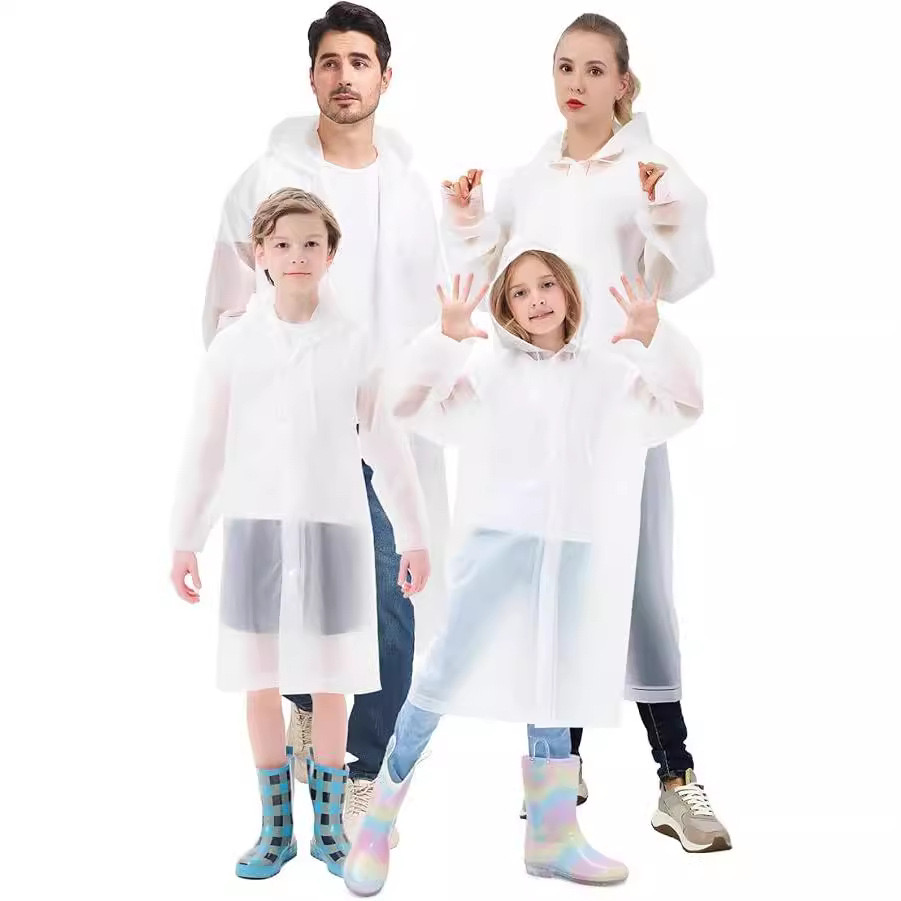
Custom printed ponchos are designed for branding and promotional purposes, allowing businesses to showcase their logos at outdoor events. Usually made from PVC or polyester, they provide a practical solution for keeping attendees dry while enhancing brand visibility. However, buyers should be cautious about the materials used, as some may contain harmful chemicals that could affect user safety.
Why Choose Eco-Friendly Ponchos for Sustainable Branding?
Eco-friendly ponchos are constructed from sustainable materials, such as organic cotton or natural rubber, making them a great choice for brands that prioritize sustainability. They cater to environmentally conscious consumers and are suitable for outdoor activities. While they may come at a higher price point, their biodegradable nature can enhance a brand’s reputation and appeal.
What Advantages Do Heavy-Duty Rain Ponchos Offer for Outdoor Work?
Heavy-duty rain ponchos are made from thicker, more durable materials designed to withstand harsh weather conditions. They are ideal for outdoor work, construction sites, or any scenario where reliable protection is required. Buyers should weigh the benefits of durability against potential bulkiness, as these ponchos may be less portable than lighter alternatives.
How Do Packable Ponchos Provide Convenience for Travelers?
Packable ponchos are designed for easy storage and portability, often featuring a compact design that fits into a carrying case. They are perfect for travelers or outdoor enthusiasts who may encounter unexpected rain. While they offer convenience, buyers should be aware that the focus on compactness can sometimes compromise durability, making it essential to choose a reliable supplier.
Key Industrial Applications of export rain poncho
| Indústria/Setor | Specific Application of export rain poncho | Valor/benefício para a empresa | Principais considerações de fornecimento para este aplicativo |
|---|---|---|---|
| Eventos e festivais ao ar livre | Providing ponchos to attendees during rain-prone events | Enhances attendee experience and brand visibility | Quality materials, customization options, and bulk pricing |
| Serviços de emergência | Ponchos as part of disaster relief kits | Ensures readiness for unexpected weather conditions | Compliance with safety standards and quick delivery times |
| Esportes e recreação | Team-branded ponchos for outdoor sports events | Promotes team spirit while keeping participants dry | Durability, lightweight design, and branding capabilities |
| Viagens e turismo | Ponchos offered as part of travel packages | Improves customer satisfaction and can enhance brand loyalty | Eco-friendly materials, compact storage options, and pricing |
| Construction & Outdoor Work | Protective gear for workers in unpredictable weather | Increases worker safety and productivity in adverse conditions | Compliance with industry safety standards and bulk availability |
How Are Export Rain Ponchos Used in Outdoor Events & Festivals?
In outdoor events and festivals, export rain ponchos serve as a practical solution for attendees facing inclement weather. By providing ponchos, organizers not only enhance the attendee experience but also promote their brand through custom designs. Buyers in this sector should consider the quality of materials used, as well as customization options to ensure their branding is effective. Bulk pricing is essential to manage costs while maximizing reach.
What Role Do Export Rain Ponchos Play in Emergency Services?
Export rain ponchos are crucial for emergency services, particularly in disaster relief scenarios. These ponchos are included in emergency kits to provide immediate protection against the elements. For international buyers in this sector, compliance with safety standards is vital, as is the ability to source ponchos quickly to meet urgent needs. Quality and durability are also critical, as these items must withstand harsh conditions.
How Are Export Rain Ponchos Utilized in Sports & Recreation?
In sports and recreational activities, export rain ponchos are often branded with team logos and colors. They are distributed during outdoor events to ensure that participants remain dry and comfortable, thereby enhancing the overall experience. Buyers should focus on durability and lightweight design to facilitate ease of use and transport. Additionally, branding capabilities are important for teams looking to foster a sense of community and loyalty among fans.
Why Are Export Rain Ponchos Important in Travel & Tourism?
Travel companies often include export rain ponchos in their packages to enhance customer satisfaction. These ponchos provide travelers with a convenient solution to unexpected rain, which can significantly impact their experience. Buyers in this sector should prioritize eco-friendly materials and compact storage options to appeal to environmentally conscious consumers. Competitive pricing is also essential for maximizing the value of travel packages.
How Do Export Rain Ponchos Benefit the Construction & Outdoor Work Industry?
In the construction and outdoor work sectors, export rain ponchos serve as protective gear for workers facing unpredictable weather conditions. By ensuring that workers stay dry, these ponchos help maintain productivity and safety on the job site. Buyers must ensure compliance with industry safety standards when sourcing ponchos, as well as consider bulk availability to meet the needs of large teams.
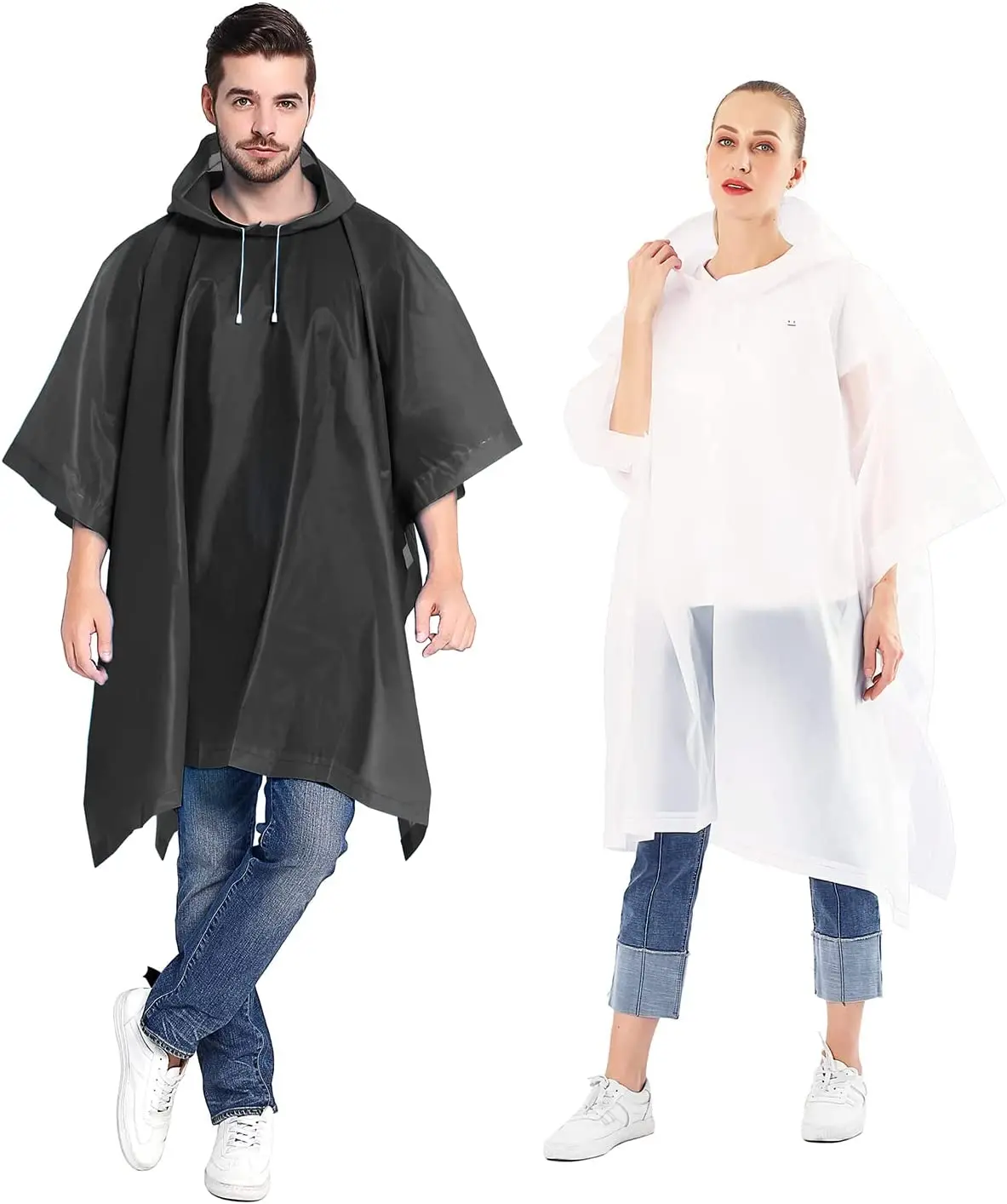
A stock image related to export rain poncho.
3 Common User Pain Points for ‘export rain poncho’ & Their Solutions
Scenario 1: Sourcing High-Quality Materials for Rain Ponchos
O problema: B2B buyers often struggle to find reliable suppliers that provide high-quality rain ponchos made from durable and eco-friendly materials. Many ponchos on the market are constructed from low-grade synthetic materials that can compromise the product’s waterproof capabilities and overall comfort. This can lead to unsatisfied customers and increased return rates, which ultimately hurt the buyer’s reputation and profit margins.
A solução: To ensure you are sourcing high-quality rain ponchos, focus on suppliers who emphasize sustainable materials. Look for ponchos made from natural rubber or organic cotton, as these materials not only provide better waterproofing but also align with increasing consumer demand for environmentally-friendly products. When evaluating potential suppliers, request detailed product specifications, including material sourcing and manufacturing processes. Establish relationships with suppliers who can guarantee the integrity of their materials through certifications, such as GOTS for organic textiles. Additionally, consider ordering samples to assess quality firsthand before committing to larger orders.
Scenario 2: Navigating Import Regulations for Rain Poncho Exports
O problema: International buyers often face significant challenges regarding import regulations and customs duties when exporting rain ponchos. Different countries have varying standards and regulations concerning textile imports, including restrictions on certain materials or chemical treatments. Failure to comply can result in delayed shipments, additional costs, or even complete shipment refusals, which can disrupt supply chains and affect customer satisfaction.
A solução: To navigate these complexities, conduct thorough research on the import regulations specific to the countries you are exporting to. Collaborate with logistics companies that specialize in international shipping to ensure compliance with local laws and regulations. It is also advisable to stay updated on any changes in trade agreements or tariffs that might impact your import strategy. Working with a customs broker can further streamline the process, as they can provide insights into documentation and compliance requirements, ensuring that your rain ponchos clear customs without issues.
Scenario 3: Managing Bulk Orders and Inventory for Rain Ponchos
O problema: B2B buyers often face difficulties managing inventory levels and fulfilling bulk orders of rain ponchos, especially during peak seasons like monsoon or festival seasons. Fluctuations in demand can lead to overstocking, which ties up capital, or understocking, which results in missed sales opportunities and dissatisfied customers.
A solução: Implement a robust inventory management system that allows you to track stock levels in real-time and forecast demand based on historical sales data. Utilize tools like just-in-time (JIT) inventory management to reduce excess stock while ensuring you can meet customer needs promptly. Establish clear communication with your suppliers to create flexible ordering options, allowing for quick restocking during unexpected surges in demand. Additionally, consider diversifying your product range to include various styles, sizes, or colors of rain ponchos to attract a broader customer base and mitigate risks associated with seasonal demand fluctuations.
Strategic Material Selection Guide for export rain poncho
What Are the Key Materials for Export Rain Ponchos?
When selecting materials for export rain ponchos, it is essential to consider their properties, advantages, and limitations. This analysis focuses on four common materials: PVC, nylon, natural rubber, and PE (polyethylene). Each material has distinct characteristics that can influence the performance and marketability of rain ponchos in various international markets.
Qual é o desempenho do PVC em aplicações de capas de chuva?
PVC (Polyvinyl Chloride) is a widely used synthetic material known for its waterproof properties. Its key properties include excellent water resistance and durability, making it suitable for heavy rain conditions. However, PVC is less flexible than other materials and can become brittle in extreme temperatures.
Prós: PVC is cost-effective and readily available, making it a popular choice for bulk production. It is also easy to print on, which is beneficial for promotional rain ponchos.
Contras: The environmental impact of PVC is significant, as it is derived from fossil fuels and can release harmful chemicals during production and disposal. Additionally, its rigidity can limit wearer comfort.
For international buyers, especially from regions with stringent environmental regulations like Europe, the use of PVC may raise compliance issues. Buyers should ensure that the products meet local standards such as REACH (Registration, Evaluation, Authorisation and Restriction of Chemicals).
What Are the Benefits of Nylon for Rain Ponchos?
Nylon is another synthetic material favored for its lightweight and durable characteristics. It offers good water resistance and breathability, making it suitable for active outdoor use. Nylon rain ponchos can withstand higher temperatures and pressures compared to PVC.
Prós: The lightweight nature of nylon allows for easy packing and transport, appealing to consumers who prioritize convenience. Additionally, nylon is resistant to abrasion, enhancing the poncho’s lifespan.
Contras: While nylon is generally durable, it can be prone to tearing if not manufactured with sufficient thickness. Moreover, it often requires chemical treatments to enhance waterproofing, which can complicate its environmental profile.
International buyers should be aware of the varying standards for nylon products, particularly in regions like Africa and South America, where local preferences may lean towards more sustainable options.
Why Choose Natural Rubber for Export Rain Ponchos?
Natural rubber is an eco-friendly alternative to synthetic materials, offering excellent waterproofing without the use of harmful chemicals. It is flexible, durable, and biodegradable, making it an attractive option for environmentally conscious consumers.
Prós: The comfort level of natural rubber is high, as it provides a soft feel against the skin. Its biodegradability aligns with global trends towards sustainability, appealing to markets in Europe and North America.
Contras: Natural rubber can be more expensive than synthetic options due to the cost of raw materials and processing. Additionally, its performance can be affected by extreme temperatures, potentially limiting its use in certain climates.
For international buyers, particularly those in Europe, sourcing natural rubber products may require adherence to specific sustainability certifications, such as GOTS (Global Organic Textile Standard), to meet consumer expectations.
What Role Does Polyethylene Play in Rain Poncho Production?
Polyethylene (PE) is a versatile plastic commonly used for disposable rain ponchos. It is lightweight, waterproof, and cost-effective, making it ideal for single-use applications.
Prós: PE ponchos are extremely affordable and can be produced quickly, making them suitable for large events or emergency kits. They are also resistant to mildew and mold.
Contras: The primary drawback of PE is its environmental impact, as it is not biodegradable and contributes to plastic waste. Additionally, PE ponchos often lack durability, leading to a perception of lower quality.
International buyers should consider the growing demand for eco-friendly products and may need to balance cost with sustainability when sourcing PE ponchos, especially in markets like Germany, where environmental concerns are paramount.
Summary of Material Properties for Export Rain Ponchos
| Material | Typical Use Case for export rain poncho | Principais vantagens | Principal desvantagem/limitação | Custo relativo (baixo/médio/alto) |
|---|---|---|---|---|
| PVC | Budget-friendly promotional ponchos | Econômico e durável | Environmental impact and rigidity | Baixa |
| Nylon | Uso ativo ao ar livre | Lightweight and abrasion-resistant | Prone to tearing and chemical treatments | Médio |
| Natural Rubber | Eco-friendly, high-comfort ponchos | Biodegradable and soft | Higher cost and temperature sensitivity | Alta |
| Polietileno | Disposable emergency ponchos | Affordable and quick to produce | Environmental impact and low durability | Baixa |
This strategic material selection guide provides B2B buyers with essential insights into the properties, advantages, and limitations of different materials used in rain ponchos, helping them make informed purchasing decisions that align with market demands and regulatory requirements.
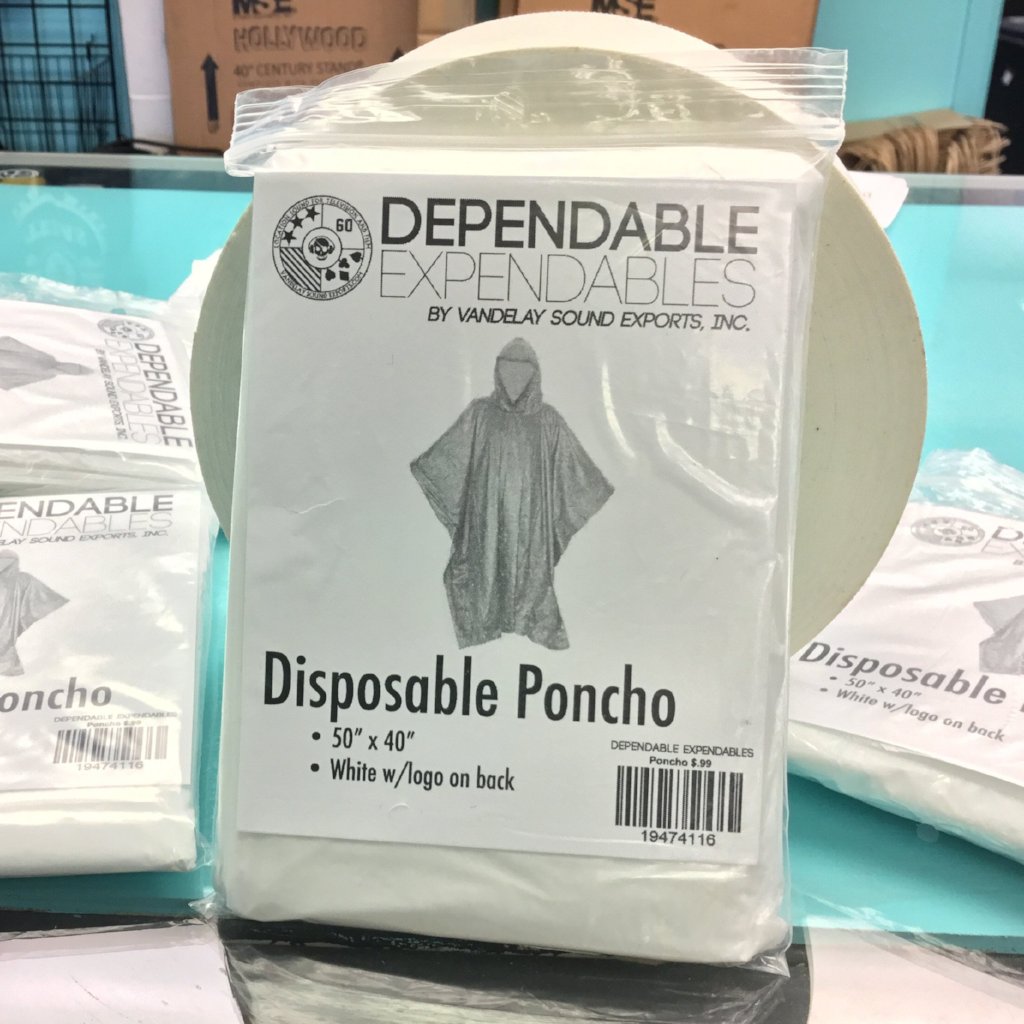
A stock image related to export rain poncho.
In-depth Look: Manufacturing Processes and Quality Assurance for export rain poncho
What Are the Key Stages in the Manufacturing Process of Rain Ponchos for Export?
The manufacturing process of rain ponchos tailored for export encompasses several critical stages, each designed to ensure the final product meets quality and performance standards. Understanding these stages is essential for B2B buyers looking to source high-quality rain ponchos.
Preparação de materiais: Como as matérias-primas são selecionadas e processadas?
The first step in manufacturing rain ponchos is the selection and preparation of raw materials. High-quality rain ponchos typically use waterproof materials such as natural rubber, PVC, or polyester, along with breathable linings like organic cotton or other synthetic fabrics. The selection process involves evaluating material properties, including waterproofing capabilities, durability, and comfort.
Once selected, materials undergo various preprocessing steps, including washing, dyeing, and cutting. In the case of eco-friendly ponchos, manufacturers often employ low-impact dyes to minimize environmental impact. This stage is crucial for ensuring that the materials are ready for the subsequent forming process.
What Techniques Are Used in the Forming Process of Rain Ponchos?
The forming stage involves shaping the prepped materials into the desired poncho design. This typically includes cutting the fabric into specific patterns and sizes, followed by sewing or welding the pieces together. Advanced techniques such as ultrasonic welding can be used to create seamless joints that enhance waterproofing and durability.
Manufacturers may also utilize computer-aided design (CAD) software to optimize patterns, ensuring minimal waste during cutting. Automation in cutting and sewing can enhance precision and speed, making it easier to meet large orders while maintaining consistency in quality.
How Is Assembly Conducted to Ensure Quality and Durability?
Assembly is where all components come together. During this stage, additional features like hoods, pockets, and closures are added. Quality control measures should be integrated throughout this process, including inspections for stitching quality and adherence to design specifications.
For B2B buyers, it’s important to understand that the assembly process can vary significantly between manufacturers. Some may employ a manual approach, emphasizing craftsmanship, while others may rely on automated processes to increase efficiency. Buyers should inquire about the assembly techniques used to ensure they align with their quality expectations.
What Finishing Techniques Are Commonly Applied to Rain Ponchos?
The finishing stage involves treating the poncho to enhance its performance characteristics and aesthetic appeal. This can include applying water-repellent coatings, conducting final washes to remove excess dyes or chemicals, and inspecting the ponchos for defects. Manufacturers often utilize various finishing techniques to improve the softness, drape, and overall look of the ponchos.
For eco-conscious buyers, it’s essential to confirm that any finishing processes are aligned with sustainable practices, avoiding harmful chemicals that can affect the environment and consumer safety.
What Quality Assurance Standards Should B2B Buyers Be Aware Of?
Quality assurance is a critical aspect of the manufacturing process for rain ponchos, especially for B2B buyers who need to ensure product reliability and compliance with international standards.
Which International Standards Are Relevant for Rain Poncho Manufacturing?
Manufacturers should adhere to several international quality standards, such as ISO 9001, which focuses on quality management systems. Compliance with this standard indicates that a manufacturer has implemented effective quality management practices, ensuring consistent product quality.
In addition to ISO standards, certifications like CE marking for safety and environmental compliance in Europe are crucial. For certain regions, such as the Middle East, compliance with local regulations regarding materials and safety standards is also necessary.
What Are the Key Quality Control Checkpoints Throughout the Manufacturing Process?
Quality control checkpoints are vital to ensuring that each poncho meets the required specifications. Common checkpoints include:
- Controle de qualidade de entrada (IQC): Inspecting raw materials upon arrival to ensure they meet quality standards.
- Controle de qualidade durante o processo (IPQC): Monitoring production processes to detect defects early. This can include regular inspections during cutting, sewing, and assembly.
- Controle de qualidade final (FQC): Conducting thorough inspections of the finished products to ensure they meet all specifications, including waterproofing, stitching quality, and overall appearance.
These checkpoints help identify and rectify issues before products reach the market, reducing the likelihood of returns and enhancing customer satisfaction.
How Can B2B Buyers Verify Supplier Quality Assurance Practices?
For international buyers, verifying a supplier’s quality assurance practices is crucial to ensure product reliability and compliance with standards.
What Audit Procedures Should Be Implemented?
B2B buyers should conduct thorough audits of potential suppliers, focusing on their manufacturing processes and quality control systems. This can include on-site visits to observe production practices, quality control measures, and compliance with relevant standards.
Buyers can also request documentation of the supplier’s quality certifications, inspection reports, and test results to verify compliance with international standards. Engaging third-party inspection services can provide an unbiased assessment of the supplier’s quality practices and product reliability.
What Common Testing Methods Are Used to Ensure Product Quality?
Testing methods are essential for confirming the performance and safety of rain ponchos. Common tests include:
- Teste à prova d'água: Measuring the poncho’s ability to withstand water pressure without leaking.
- Teste de durabilidade: Assessing the material’s resistance to wear and tear under various conditions.
- Teste de segurança química: Ensuring that materials used are free from harmful substances, especially for eco-friendly products.
These tests provide valuable data that can assure buyers of the poncho’s quality and performance in real-world scenarios.
What Unique Quality Control Considerations Are There for Buyers in Africa, South America, the Middle East, and Europe?
Each region has unique considerations that B2B buyers should keep in mind when sourcing rain ponchos. For instance:
- Preferências culturais: Buyers should consider regional climate conditions and cultural preferences that may influence poncho design and functionality.
- Conformidade regulatória: Different regions may have specific regulations regarding materials and product safety. Buyers need to ensure that their suppliers are compliant with local laws.
- Desafios logísticos: Import/export regulations can vary significantly. Understanding the logistics of shipping and customs clearance is essential for timely delivery.
By focusing on these aspects, B2B buyers can make informed decisions that align with their quality expectations and market demands, ensuring a successful sourcing experience for rain ponchos.
Practical Sourcing Guide: A Step-by-Step Checklist for ‘export rain poncho’
In the dynamic world of international trade, sourcing high-quality rain ponchos for export requires a meticulous approach. This guide serves as a step-by-step checklist tailored for B2B buyers, particularly those engaging with suppliers from Africa, South America, the Middle East, and Europe. By following these steps, you can ensure a successful procurement process, minimizing risks while maximizing quality and efficiency.
Etapa 1: Defina suas especificações técnicas
Establishing clear technical specifications is critical to ensure that the rain ponchos meet your market’s requirements. Consider factors such as material (e.g., eco-friendly options like natural rubber or organic cotton), size variations, and waterproof ratings. This clarity helps streamline supplier selection and minimizes the risk of receiving non-compliant products.
Etapa 2: Identify Reliable Suppliers
Research potential suppliers through industry directories, trade shows, and online platforms. Look for manufacturers with a proven track record in producing rain ponchos, particularly those who specialize in your required materials. Evaluate their experience and reputation in your target markets to gauge reliability.
Etapa 3: Avaliar fornecedores em potencial
Before committing, it’s crucial to vet suppliers thoroughly. Request company profiles, case studies, and references from buyers in a similar industry or region. Check for certifications that demonstrate compliance with international standards, such as ISO or environmental certifications, to ensure quality and sustainability.
Etapa 4: Solicitar amostras
Always request samples before placing bulk orders. This step allows you to assess the quality, durability, and comfort of the ponchos firsthand. Pay attention to the stitching, material feel, and waterproof capabilities. Sampling is essential for verifying that the product aligns with your specifications and customer expectations.
Etapa 5: Negociar preços e termos
Engage in discussions regarding pricing, payment terms, and shipping logistics. Ensure that the pricing reflects the quality and features of the ponchos. Discuss minimum order quantities (MOQs) and bulk discounts, as well as payment methods that are secure and favorable for both parties.
Etapa 6: Understand Import Regulations
Familiarize yourself with the import regulations relevant to your target markets. Different regions may have specific requirements regarding product safety, labeling, and customs duties. Ensuring compliance with these regulations can prevent delays and additional costs during the import process.
Etapa 7: Plan for Quality Control
Establish a quality control process to monitor the production and delivery of the rain ponchos. Consider hiring third-party inspectors to ensure that the products meet your specifications before shipment. This proactive approach can help mitigate risks related to quality issues and ensure customer satisfaction upon arrival.
By following this comprehensive sourcing checklist, B2B buyers can navigate the complexities of procuring export rain ponchos more effectively. Each step is designed to build a foundation of quality, reliability, and compliance, ultimately leading to a successful procurement strategy.
Comprehensive Cost and Pricing Analysis for export rain poncho Sourcing
What Are the Key Cost Components in Sourcing Export Rain Ponchos?
When analyzing the cost structure of sourcing export rain ponchos, several critical components must be considered:
-
Materiais: The choice of materials significantly affects the overall cost. For instance, high-quality, eco-friendly options like natural rubber and organic cotton can increase material costs but may appeal to environmentally conscious markets. Synthetic materials like PVC or polyester are typically cheaper but may not align with sustainability trends.
-
Trabalho: Labor costs vary by region and can be influenced by local wage standards and regulations. Countries with lower labor costs, such as those in South America or Southeast Asia, may offer competitive pricing for poncho production. However, it’s crucial to consider the quality of craftsmanship, as this can impact the product’s durability and appeal.
-
Custos indiretos de fabricação: This includes costs associated with factory operations, utilities, and administrative expenses. Efficient supply chain management can help reduce these overheads, impacting the final pricing of the ponchos.
-
Ferramentas: Custom tooling for unique designs or features can incur significant initial costs. Buyers should weigh these costs against the expected volume of orders to determine if customization is financially viable.
-
Controle de qualidade (QC): Implementing stringent QC processes is essential to ensure product reliability and compliance with international standards. While this may add to costs, it can prevent expensive returns and reputational damage in the long run.
-
Logística: Shipping costs, including freight, insurance, and potential customs duties, must be factored into the total cost. The choice of Incoterms can significantly influence these logistics costs. For example, choosing DDP (Delivered Duty Paid) can simplify the import process for buyers, albeit at a potentially higher cost.
-
Margem: Supplier profit margins vary widely depending on market competition, brand reputation, and product quality. Understanding the margin expectations of suppliers can provide insight into pricing flexibility during negotiations.
How Do Price Influencers Affect Export Rain Poncho Sourcing?
Several factors can influence the pricing of export rain ponchos:
-
Volume/MOQ: Minimum order quantities (MOQ) can affect pricing structures. Larger orders typically lead to lower per-unit costs, enabling buyers to achieve better pricing through economies of scale.
-
Especificações e personalização: Custom designs, colors, or branding can lead to additional costs. Buyers should assess whether the added value of customization justifies the increased expenditure.
-
Materiais e certificações de qualidade: High-quality materials and certifications (like Oeko-Tex or GOTS) can command a premium price but may also enhance marketability and compliance with international regulations.
-
Fatores do fornecedor: The supplier’s reliability, production capacity, and reputation can impact pricing. Established suppliers may charge higher rates but offer consistent quality and timely delivery, which can be worth the investment.
-
Incoterms: Different Incoterms can result in varying cost structures. Understanding the implications of terms like FOB (Free on Board) versus CIF (Cost, Insurance, and Freight) can help buyers optimize their total costs.
What Are Effective Buyer Tips for Sourcing Rain Ponchos Internationally?
For international B2B buyers, particularly those in regions like Africa, South America, the Middle East, and Europe, here are some actionable tips:
-
Negotiate Smartly: Always approach negotiations with a clear understanding of your budget and market pricing. Leverage bulk purchasing to negotiate better terms and prices.
-
Foco na eficiência de custos: Assess the total cost of ownership, which includes not just purchase price but also logistics, duties, and potential returns. This broader view can help identify the best value options.
-
Entenda as nuances dos preços: Be aware of fluctuations in material costs, currency exchange rates, and shipping fees, especially in volatile markets. These factors can significantly affect the overall price.
-
Research Supplier Backgrounds: Conduct due diligence on suppliers to ensure they meet your quality and ethical standards. A reliable supplier can reduce risks associated with delays and quality issues.
-
Explore Eco-Friendly Options: Given the rising consumer demand for sustainable products, sourcing eco-friendly rain ponchos may not only justify a higher price point but also enhance your brand’s image in the market.
Isenção de responsabilidade sobre preços
All prices mentioned in this analysis are indicative and subject to change based on market conditions, supplier agreements, and other external factors. It is advisable for buyers to conduct thorough research and obtain quotes from multiple suppliers to ensure competitive pricing.
Alternatives Analysis: Comparing export rain poncho With Other Solutions
When considering the export rain poncho, it’s essential to evaluate alternative solutions that fulfill similar protective roles during inclement weather. In this analysis, we will compare the export rain poncho with two viable alternatives: disposable ponchos and rain jackets. Each option offers unique benefits and drawbacks that B2B buyers should consider based on their specific needs and contexts.
| Aspecto de comparação | Export Rain Poncho | Disposable Ponchos | Rain Jackets |
|---|---|---|---|
| Desempenho | 100% waterproof, durable, and breathable | Lightweight, water-resistant but not always fully waterproof | Highly water-resistant, breathable, and durable |
| Custo | Higher initial investment (e.g., $400) | Low-cost (e.g., $1.50 – $3.00 each) | Moderate to high (e.g., $50 – $200) |
| Facilidade de implementação | Requires initial investment and distribution planning | Easy to stock and distribute, minimal logistics | Requires inventory management and sizing considerations |
| Manutenção | Minimal; long-lasting with proper care | De uso único, sem necessidade de manutenção | Requires regular washing and care to maintain performance |
| Melhor caso de uso | Eco-conscious consumers seeking durability | Events, festivals, or emergencies where low-cost is essential | Outdoor activities, daily wear, or severe weather conditions |
What Are the Advantages and Disadvantages of Using Disposable Ponchos?
Disposable ponchos are an affordable and convenient alternative, especially for events where many attendees may need protection from sudden rain. They are lightweight, easy to carry, and can be distributed quickly without much logistical planning. However, their primary drawback is durability; they are typically not fully waterproof and can tear easily, making them less reliable for prolonged use. Additionally, they contribute to environmental waste, which is a growing concern among consumers.
How Do Rain Jackets Compare in Terms of Functionality and Cost?
Rain jackets provide an effective alternative, especially for outdoor enthusiasts and those needing reliable protection in various weather conditions. They offer excellent water resistance, breathability, and durability, making them suitable for repeated use. However, they come with a higher price tag compared to both export rain ponchos and disposable options. Sizing can also be a challenge, requiring a more complex inventory management system. While they are a more sustainable option than disposable ponchos, they may not cater to all budget levels or event types.
Como os compradores B2B podem escolher a solução certa para suas necessidades?
In selecting the appropriate solution, B2B buyers must consider their specific requirements, including budget constraints, expected usage frequency, and environmental impact. For businesses focused on sustainability, the export rain poncho stands out due to its eco-friendly materials and longevity. However, for one-time events or large-scale distributions, disposable ponchos may be more practical. Conversely, rain jackets are ideal for businesses requiring durable, long-lasting protection for employees or customers who engage in outdoor activities.
Ultimately, the choice between these options should align with the company’s values, target audience, and logistical capabilities to ensure a successful procurement strategy.
Essential Technical Properties and Trade Terminology for export rain poncho
What Are the Essential Technical Properties of an Export Rain Poncho?
When considering the procurement of rain ponchos for export, understanding the critical technical properties is vital for ensuring product quality and market suitability. Here are some key specifications to keep in mind:
1. Material Composition
The material used in rain ponchos significantly affects their performance and durability. Common materials include:
- PVC (Polyvinyl Chloride): Lightweight and waterproof, PVC is often used for budget-friendly ponchos. However, it may not be environmentally friendly.
- Natural Rubber: Offers excellent waterproofing without synthetic chemicals, making it a sustainable choice.
- Polyester/Nylon: These synthetic fabrics are durable and lightweight but may require chemical coatings for waterproofing.
Understanding the material composition helps in selecting products that meet customer expectations for quality and environmental standards.
2. Classificação à prova d'água
The waterproof rating, often measured in millimeters (mm), indicates the fabric’s ability to withstand water pressure. A higher rating (e.g., 3000mm or above) signifies better waterproof performance, which is crucial for customers in rainy climates. This specification is essential for B2B buyers to ensure that the ponchos provide adequate protection in adverse weather conditions.
3. Respirabilidade
Breathability is the ability of a fabric to allow moisture vapor to escape while still being waterproof. This property is measured in grams (g/m²) and is vital for comfort, especially during physical activities. A breathable poncho prevents overheating and moisture buildup, making it suitable for outdoor events and activities.
4. Size and Fit Options
Ponchos come in various sizes and styles, including adult and children’s sizes. Offering a range of fit options can cater to diverse customer needs. Additionally, adjustable features like drawstrings or snaps can enhance usability. Understanding size specifications is crucial for ensuring a good fit and maximizing customer satisfaction.
5. Weight
The weight of the poncho affects its portability and usability. Lightweight ponchos are ideal for travel and outdoor events, while heavier options may provide better durability. B2B buyers should consider the weight specifications to align with their target market’s preferences.
6. Environmental Certifications
Certifications like GOTS (Global Organic Textile Standard) and OEKO-TEX® Standard 100 indicate that the materials used are sustainable and free from harmful substances. These certifications are increasingly important for buyers looking to meet eco-friendly consumer demands and regulations.
What Are the Common Trade Terms Used in the Export Rain Poncho Industry?
Familiarity with industry-specific terminology is crucial for effective communication and negotiation in B2B transactions. Here are some common trade terms you should know:
1. MOQ (Minimum Order Quantity)
MOQ refers to the minimum quantity of units a supplier is willing to sell. Understanding MOQ helps buyers plan their orders effectively and negotiate terms that align with their inventory needs.
2. OEM (Original Equipment Manufacturer)
OEM denotes a company that produces goods that are then branded and sold by another company. For rain ponchos, this term indicates that a buyer can have products manufactured to their specifications under their brand name.
3. RFQ (Request for Quotation, solicitação de cotação)
An RFQ is a formal document that buyers send to suppliers requesting pricing and terms for specific products. It’s an essential tool for comparing offers and making informed purchasing decisions.
4. Incoterms (Termos Comerciais Internacionais)
Incoterms are a set of international rules that define the responsibilities of buyers and sellers in international transactions. Common terms include FOB (Free on Board) and CIF (Cost, Insurance, and Freight). Understanding these terms helps buyers negotiate shipping costs and responsibilities effectively.
5. Prazo de entrega
Lead time refers to the time taken from placing an order to delivery. This term is critical for inventory management and planning, especially for seasonal products like rain ponchos.
6. Customization
This term refers to the ability to alter product features such as color, design, and branding. Customization is a significant selling point for businesses looking to differentiate their products in the market.
By understanding these technical properties and trade terms, B2B buyers can make informed decisions when sourcing export rain ponchos, ensuring they meet market demands while optimizing their procurement processes.
Navigating Market Dynamics and Sourcing Trends in the export rain poncho Sector
What Are the Key Market Dynamics and Trends Influencing the Export Rain Poncho Sector?
The export rain poncho market is witnessing a transformation driven by several global factors. Rising awareness of climate change and increasing extreme weather conditions are propelling demand for reliable, durable rain gear across various regions, particularly in Africa, South America, the Middle East, and Europe. The market is also benefiting from the growth of outdoor recreational activities, urbanization, and the need for functional apparel in both everyday and emergency situations.
Emerging B2B technology trends are reshaping sourcing strategies in this sector. Digital platforms are facilitating easier access to suppliers, enhancing transparency in supply chains, and enabling real-time inventory management. Moreover, the integration of Artificial Intelligence (AI) in predicting demand patterns allows businesses to optimize production cycles and reduce overstock situations. Blockchain technology is also gaining traction, providing an immutable record of transactions that boosts trust among buyers and suppliers.
Regional dynamics play a critical role in shaping sourcing trends. For instance, European buyers are increasingly prioritizing eco-friendly products, while South American markets may focus on cost-effective solutions. Understanding these regional preferences is essential for international B2B buyers looking to navigate this diverse landscape effectively.
How Is Sustainability and Ethical Sourcing Shaping the Export Rain Poncho Market?
Sustainability is becoming a cornerstone of consumer preference in the rain poncho sector. The environmental impact of traditional materials—like PVC and polyester—has led to a shift towards eco-friendly alternatives. Buyers are increasingly seeking products made from biodegradable materials such as organic cotton and natural rubber, which not only reduce waste but also lower the carbon footprint associated with production.
Ethical sourcing is also paramount, with a growing emphasis on supply chain transparency. International buyers are now more inclined to partner with manufacturers who can demonstrate their commitment to fair labor practices and sustainable production methods. Certifications like Global Organic Textile Standard (GOTS) and Fair Trade are becoming essential criteria in supplier selection.
Additionally, as consumers become more environmentally conscious, brands that prioritize sustainability are likely to gain a competitive edge. This trend offers B2B buyers an opportunity to align with suppliers who share their values, thereby enhancing their brand reputation and customer loyalty.
Qual é o contexto histórico dos ponchos de chuva no mercado B2B?
The rain poncho’s evolution reflects broader changes in consumer preferences and technological advancements. Originally designed for functionality, rain ponchos were primarily made from waterproof materials like PVC. However, as environmental awareness grew in the late 20th century, manufacturers began exploring sustainable alternatives, leading to the introduction of eco-friendly materials.
The rise of outdoor recreational activities in the 21st century further expanded the market, prompting innovations in design and material. Today’s rain ponchos are not only functional but also serve as promotional items for brands, emphasizing both utility and marketing potential. This evolution highlights the importance of adaptability in the B2B landscape, where understanding historical context can inform future sourcing decisions.
By leveraging insights into market dynamics, sustainability, and historical context, international B2B buyers can make informed decisions that align with current trends and consumer expectations in the export rain poncho sector.
Frequently Asked Questions (FAQs) for B2B Buyers of export rain poncho
-
How do I ensure the quality of rain ponchos from international suppliers?
To ensure quality, conduct thorough research on potential suppliers. Request samples to assess the material and construction quality. Verify certifications related to materials used, such as waterproof ratings and eco-friendliness. Additionally, consider visiting the manufacturing facility if possible, or hire a third-party inspection service to evaluate the production process and quality control measures. Establishing clear quality standards in your purchase agreement can also help mitigate risks. -
What are the best materials for export rain ponchos?
The best materials for rain ponchos include natural rubber, which offers excellent waterproof capabilities without harmful chemicals, and breathable fabrics like organic cotton for comfort. Look for ponchos made from eco-friendly materials, as these can enhance your brand’s sustainability profile. Synthetic options like PVC or polyester can be less desirable due to environmental concerns. Evaluate your target market’s preferences to determine the most suitable material. -
Quais opções de personalização estão disponíveis para os ponchos de chuva?
Many suppliers offer customization options such as printing your logo, selecting colors, and adjusting size specifications. Customization can enhance brand visibility at events or promotional activities. Discuss your specific requirements with suppliers, including minimum order quantities (MOQs) for customized products. Ensure that the final design aligns with your branding guidelines and is feasible for mass production. -
What are typical minimum order quantities (MOQs) for export rain ponchos?
MOQs for rain ponchos can vary significantly based on the supplier and customization options. Generally, MOQs range from 100 to 1,000 units. For bulk orders, suppliers may offer better pricing, so consider your storage and inventory capabilities when placing an order. Always clarify MOQs before finalizing agreements, especially if you plan to order multiple styles or colors. -
Que condições de pagamento devo esperar ao adquirir ponchos de chuva internacionalmente?
Payment terms can differ widely among suppliers. Common arrangements include partial upfront payments (e.g., 30-50%) followed by the balance upon delivery. Some suppliers may accept letters of credit or escrow services for larger transactions, providing added security. Always negotiate terms that align with your cash flow capabilities and ensure they are clearly documented in the contract. -
How can I verify the legitimacy of a rain poncho supplier?
Start by checking the supplier’s business registration and certifications. Look for reviews or testimonials from previous clients and verify their export experience. Request references and contact them to inquire about their reliability and product quality. Utilize platforms like Alibaba or Global Sources, which offer supplier verification services. Conducting a thorough background check minimizes the risk of dealing with fraudulent suppliers. -
Que considerações logísticas devo ter em mente ao importar ponchos de chuva?
Logistics are crucial for timely and cost-effective delivery. Understand the shipping methods available (air, sea, etc.) and their respective costs and transit times. Factor in customs duties, taxes, and potential delays at ports. Work with a reliable freight forwarder experienced in international shipping, and ensure that all necessary documentation, such as commercial invoices and packing lists, is in order to avoid complications. -
What are the common challenges when exporting rain ponchos, and how can they be mitigated?
Common challenges include fluctuating shipping costs, customs delays, and quality control issues. To mitigate these risks, establish strong relationships with trusted suppliers and logistics partners. Maintain open communication throughout the production and shipping processes. Consider sourcing from multiple suppliers to diversify risk and ensure supply chain continuity. Additionally, familiarize yourself with the regulatory requirements of your target market to avoid unexpected hurdles.
Isenção de responsabilidade e termos de uso importantes
⚠️ Isenção de responsabilidade importante
As informações fornecidas neste guia, inclusive o conteúdo referente a fabricantes, especificações técnicas e análise de mercado, são apenas para fins informativos e educacionais. Elas não constituem aconselhamento profissional sobre compras, aconselhamento financeiro ou aconselhamento jurídico.
Embora tenhamos feito todos os esforços para garantir a precisão e a atualidade das informações, não nos responsabilizamos por erros, omissões ou informações desatualizadas. As condições de mercado, os detalhes da empresa e os padrões técnicos estão sujeitos a alterações.
Os compradores B2B devem realizar sua própria due diligence independente e completa antes de tomar qualquer decisão de compra. Isso inclui entrar em contato diretamente com os fornecedores, verificar as certificações, solicitar amostras e buscar consultoria profissional. O risco de confiar em qualquer informação contida neste guia é de responsabilidade exclusiva do leitor.
Top 5 Export Rain Poncho Manufacturers & Suppliers List
1. Arms of Andes – Unisex Waterproof Hooded Rain Poncho
2. PrintGlobe - Ponchos de chuva personalizados
Domínio: printglobe.com
Registrado: 1999 (26 anos)
Introdução: Essa empresa, PrintGlobe - Custom Rain Ponchos, é uma entidade notável no mercado. Para obter detalhes específicos do produto, é recomendável visitar diretamente o site da empresa.
3. Volza – Rain Poncho Export Import Data
Domínio: volza.com
Registered: 2015 (10 years)
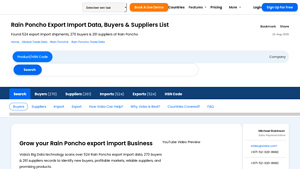
Introdução: Rain Poncho Export Import Data, Buyers & Suppliers List: 270 Buyers, 524 Import Shipments, 9 Importing Countries, 261 Suppliers, 524 Export Shipments, 13 Exporting Countries. Key Companies: FASTGROW LOGISTICS AMERICAS INC (US) – 33 Import Shipments; FASTGROW INTERNATIONAL CO INC (US) – 32 Export Shipments. Recent Imports: Disposable Vinyl Rain Poncho from China, Quantity: 5246 CTN. Recent Exports:…
4. Backpacking Light – Ultralight Poncho
Domínio: backpackinglight.com
Registrado: 2000 (25 anos)
Introdução: The backpacking poncho is an ultralight alternative to traditional rain jackets. It offers better ventilation, fewer breakable features (like zippers), and can function as an ultralight tarp. Ponchos are made of fully waterproof material, have few seams that can leak, and can cover large backpacks to keep them dry. They are inexpensive, require no maintenance, and do not go out of style. However, …
5. Sports Marketing Plus – Customized Rain Ponchos
Domínio: sportsmarketingplus.com
Registrado: 2016 (9 anos)
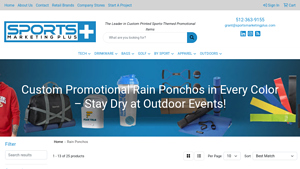
Introdução: Customized Rain Ponchos with your logo, available in every color, designed to keep you dry at outdoor events. Minimum order of $750 required (before art fees, taxes, setup, and shipping). 2.9% credit card fee applies on orders over $2,000.
Strategic Sourcing Conclusion and Outlook for export rain poncho
As the demand for rain ponchos continues to rise across diverse markets, strategic sourcing emerges as a pivotal factor in ensuring competitive advantage. International B2B buyers should prioritize partnerships with manufacturers who emphasize sustainability and quality, such as those utilizing natural materials or offering customizable options. The ability to source eco-friendly ponchos not only meets growing consumer preferences but also enhances brand reputation in regions like Africa, South America, the Middle East, and Europe.
Furthermore, leveraging local supply chains can significantly reduce lead times and costs, while also fostering community relationships. This approach not only aligns with global sustainability goals but also ensures that products are ethically produced. Buyers are encouraged to explore innovative designs that cater to specific market needs, such as lightweight options for festivals or durable ponchos for outdoor adventures.
In conclusion, the future of rain poncho sourcing is bright, with opportunities for growth and differentiation. By focusing on strategic sourcing practices, B2B buyers can position themselves as leaders in their markets. Take the next step in your sourcing journey—embrace sustainable practices and explore the rich diversity of rain poncho offerings available globally.


 Portuguese
  English
  Russian
  Spanish
  Arabic
  German
  Vietnamese
  Korean
  Japanese