
Introduction: Navigating the Global Market for rain suit for men
In an increasingly unpredictable climate, sourcing high-quality rain suits for men has become a paramount concern for businesses operating across various industries. Whether your company is in construction, outdoor recreation, or logistics, finding reliable rain gear that balances functionality, durability, and affordability is essential. This comprehensive guide addresses the pressing challenges faced by international B2B buyers, particularly those in Africa, South America, the Middle East, and Europe, including countries like Vietnam and Germany.
Throughout this guide, we will explore the diverse types of rain suits available in the market, ranging from lightweight options for casual use to robust suits designed for extreme weather conditions. Additionally, we will delve into their specific applications, ensuring that your purchasing decisions align with your operational needs. An essential component of our resource will include best practices for supplier vetting, enabling you to identify manufacturers that prioritize quality and ethical production standards.
Cost considerations will also be thoroughly examined, providing insights into how to negotiate effectively and achieve the best value for your investment. By the end of this guide, B2B buyers will be empowered with the knowledge and tools necessary to make informed decisions, ensuring that your workforce remains protected and operational regardless of the elements.
Understanding rain suit for men Types and Variations
| Type Name | Key Distinguishing Features | Primary B2B Applications | Brief Pros & Cons for Buyers |
|---|---|---|---|
| Lightweight Waterproof Rain Suit | Ultra-light materials, compact design, easy to pack and carry | Outdoor events, travel, emergency kits | Pros: Portable, affordable; Cons: Less durable in extreme conditions. |
| Breathable All-Sport Rain Suit | Combination of waterproof and breathable fabrics, ergonomic fit | Sports, recreational activities, outdoor work | Pros: Comfortable for active use; Cons: Higher price point. |
| Insulated Rain Suit | Built-in insulation for warmth, thicker fabric | Cold-weather outdoor work, winter sports | Pros: Provides warmth; Cons: Bulkier, may restrict movement. |
| High-Visibility Rain Suit | Bright colors with reflective elements for safety | Construction, road work, emergency services | Pros: Enhances visibility in low-light conditions; Cons: Can be less stylish. |
| GORE-TEX® Rain Suit | Advanced waterproof technology, durable and long-lasting | Professional outdoor activities, fishing | Pros: Excellent waterproofing; Cons: Premium pricing. |
What Are the Key Characteristics of Lightweight Waterproof Rain Suits?
Lightweight waterproof rain suits are designed for portability and convenience, making them ideal for B2B applications where quick deployment is essential, such as outdoor events or travel. Their compact design allows for easy storage in vehicles or bags, ensuring that businesses can always be prepared for unexpected weather changes. However, while they are cost-effective and easy to carry, they may not withstand extreme conditions or prolonged exposure to heavy rain.
How Do Breathable All-Sport Rain Suits Enhance User Experience?
Breathable all-sport rain suits are engineered with a focus on comfort and flexibility, combining waterproof materials with breathable fabrics. This makes them suitable for various recreational activities, including sports and outdoor work, where movement is essential. Businesses in the outdoor industry or event management should consider these suits for their employees, as they provide a balance of protection and comfort. However, their advanced design often comes at a higher price point, which should be factored into purchasing decisions.
Why Are Insulated Rain Suits Important for Cold-Weather Applications?
Insulated rain suits are specifically designed for cold-weather conditions, featuring thicker fabrics that provide warmth along with waterproof protection. They are particularly useful in industries such as construction and winter sports, where workers face harsh weather. While these suits offer significant warmth and protection, their bulkier design can restrict movement, which is a critical consideration for businesses needing flexibility in their workforce.
What Are the Benefits of High-Visibility Rain Suits in Safety Applications?
High-visibility rain suits are essential in environments where safety is a priority, such as construction sites or emergency services. Their bright colors and reflective elements ensure that wearers are easily seen, even in poor weather conditions. For B2B buyers in safety-conscious industries, these suits represent an investment in employee safety. However, the trade-off may be a less fashionable appearance, which could affect employee acceptance.
How Does GORE-TEX® Technology Improve Rain Suit Performance?
GORE-TEX® rain suits are recognized for their superior waterproofing capabilities and durability, making them a top choice for professionals in demanding outdoor environments, such as fishing and hiking. Businesses looking for long-lasting gear that can withstand heavy use should consider GORE-TEX® suits. While they provide excellent protection, the premium pricing may deter some buyers, necessitating a careful assessment of budget versus performance needs.
Key Industrial Applications of rain suit for men
| Industry/Sector | Specific Application of rain suit for men | Value/Benefit for the Business | Key Sourcing Considerations for this Application |
|---|---|---|---|
| Agriculture | Fieldwork during rainy seasons | Protects workers from wet conditions, enhancing productivity | Durability, waterproof rating, ease of movement, comfort |
| Construction | Outdoor construction projects | Ensures worker safety and comfort in inclement weather | Breathability, visibility features, compliance with safety standards |
| Transportation & Logistics | Delivery and transport services | Keeps employees dry, reducing sick days and improving morale | Lightweight design, packability, ease of cleaning |
| Outdoor Recreation | Guiding and outdoor activities | Ensures comfort and protection from elements for guides | Versatility, lightweight materials, affordability |
| Oil & Gas | On-site operations in adverse weather | Protects personnel from harsh weather conditions, increasing safety | Flame resistance, waterproofing, compliance with industry regulations |
How Are Rain Suits for Men Utilized in Agriculture?
In the agricultural sector, rain suits for men are essential for fieldwork during rainy seasons. Farmers and agricultural workers often face unpredictable weather, and a reliable rain suit helps protect them from getting soaked. This not only ensures their comfort but also enhances productivity by allowing them to work longer hours without the risk of illness. For B2B buyers in this sector, sourcing rain suits with high durability and superior waterproof ratings is crucial, especially in regions with heavy rainfall, such as parts of Africa and South America.
What Role Do Rain Suits Play in Construction?
In construction, rain suits are vital for outdoor projects that continue despite adverse weather conditions. They provide essential protection for workers, ensuring they remain dry and comfortable, which is critical for maintaining safety and productivity. The suits also help prevent accidents related to slippery surfaces. Buyers in this sector should prioritize sourcing options that feature breathability and visibility enhancements to meet safety regulations, particularly in European markets where compliance is strictly enforced.
How Do Rain Suits Benefit Transportation & Logistics?
For the transportation and logistics industry, rain suits are invaluable for delivery personnel who operate in various weather conditions. Keeping employees dry not only enhances their comfort but also reduces absenteeism due to weather-related illnesses, thus improving overall morale and productivity. When sourcing rain suits for this application, businesses should consider lightweight designs that are easy to pack and clean, ensuring that employees can always have them on hand without added bulk.
Why Are Rain Suits Important for Outdoor Recreation?
In the outdoor recreation sector, rain suits are crucial for guides and outdoor enthusiasts who may encounter unexpected rain. These suits provide necessary protection against the elements, allowing for a more enjoyable and safer experience for clients. B2B buyers in this market should look for versatile options made from lightweight materials that can be easily packed for various outdoor activities, ensuring affordability and accessibility for all users.
How Are Rain Suits Used in Oil & Gas Operations?
In the oil and gas industry, rain suits protect personnel working on-site from harsh weather conditions, which is essential for maintaining safety and operational efficiency. These suits help mitigate risks associated with wet environments, ensuring that workers can focus on their tasks without the distraction of being uncomfortably wet. When sourcing rain suits for this application, businesses must prioritize features such as flame resistance and compliance with industry-specific regulations to ensure worker safety and adherence to standards.
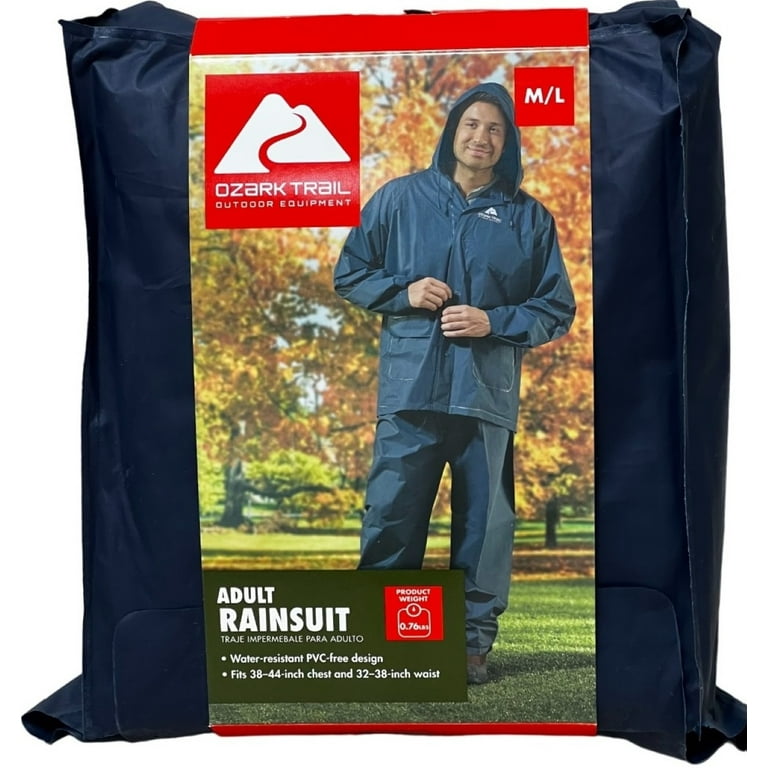
A stock image related to rain suit for men.
3 Common User Pain Points for ‘rain suit for men’ & Their Solutions
Scenario 1: Ensuring Durability for Harsh Weather Conditions
The Problem: B2B buyers often face the challenge of selecting rain suits that can withstand extreme weather conditions. In regions prone to heavy rainfall and strong winds, such as parts of Africa and South America, traditional rain gear may fail, leading to employee discomfort and reduced productivity. Buyers need assurance that the rain suits will not only keep their teams dry but also endure the rigors of their specific environments, which can vary significantly across different regions.
The Solution: When sourcing rain suits for men, prioritize materials that offer durability alongside waterproof capabilities. Look for suits made from advanced synthetic fabrics that are specifically designed for high-performance wear. Fabrics like GORE-TEX or proprietary blends that provide both waterproofing and breathability should be considered. Moreover, it is advisable to conduct field tests with samples to evaluate their performance in real-world conditions. Establishing a relationship with manufacturers that offer customization options can also help in tailoring the suits to specific regional weather challenges, ensuring that your investment meets the demands of your workforce.
Scenario 2: Balancing Cost with Quality
The Problem: Another common issue faced by B2B buyers is the struggle to balance cost-effectiveness with quality. In many markets, especially in Europe and the Middle East, buyers are often tempted to choose cheaper alternatives that may compromise on quality and functionality. This can lead to higher replacement costs and ultimately, dissatisfaction among employees who rely on these suits for their protection during adverse weather.
The Solution: To tackle this challenge, conduct a thorough market analysis to compare the total cost of ownership rather than just the upfront price. Look for brands that offer a warranty or guarantee on their rain suits, which can serve as an indicator of quality. Additionally, consider bulk purchasing options that can provide discounts without sacrificing quality. Investing in rain suits that are designed for longevity can significantly reduce overall costs in the long run. Engage in discussions with suppliers about their product lifecycle and maintenance requirements to ensure you’re making a well-informed decision.
Scenario 3: Sizing and Fit for Diverse Body Types
The Problem: B2B buyers often encounter difficulties in ensuring that rain suits fit a diverse workforce. In regions such as Africa and Asia, where body types can vary widely, providing rain suits that accommodate different sizes and fits is essential. Ill-fitting suits can hinder mobility and comfort, which can negatively impact employee morale and productivity.
The Solution: When procuring rain suits, opt for suppliers that offer a comprehensive sizing chart and a range of sizes, including options for tall, big, and slim fits. Engaging with manufacturers that allow for custom sizing can also be beneficial. It is advisable to gather feedback from your workforce regarding their fit preferences and comfort levels, which can guide future purchases. Additionally, establishing a return policy for sizing issues will help mitigate the risk of investing in suits that may not meet your workforce’s needs. Providing a fitting session before the purchase can also ensure that employees are satisfied with their gear.
Strategic Material Selection Guide for rain suit for men
What Are the Key Materials for Manufacturing Men’s Rain Suits?
When selecting materials for men’s rain suits, it is essential to consider their properties, advantages, disadvantages, and suitability for various applications. This analysis will focus on four common materials: Polyester, Nylon, GORE-TEX, and PVC. Each material offers unique benefits and challenges that international B2B buyers must navigate, particularly in regions like Africa, South America, the Middle East, and Europe.
How Does Polyester Perform in Rain Suit Applications?
Polyester is a synthetic fabric known for its durability and resistance to shrinking and stretching. It provides good water resistance when treated with a waterproof coating, making it suitable for lightweight rain suits. Key properties include moderate abrasion resistance and a temperature rating suitable for mild to moderate climates.
Pros: Polyester is relatively low-cost, lightweight, and easy to manufacture. It is also quick-drying, which is advantageous for users in humid environments.
Cons: While it offers decent water resistance, polyester can be less breathable than other materials, leading to discomfort in warmer conditions. Additionally, its durability may not match that of more robust fabrics.
Impact on Application: Polyester is suitable for casual rainwear but may not withstand heavy rain or extreme conditions, limiting its use in rugged environments.
Considerations for International Buyers: Compliance with standards like ASTM D751 for water resistance is crucial. Buyers in regions with high humidity, like parts of Africa and South America, may prefer more breathable options.
What Advantages Does Nylon Offer for Rain Suits?
Nylon is another popular synthetic material known for its strength and elasticity. It has excellent water resistance properties and can be treated to enhance its waterproof capabilities. Its key properties include high tensile strength and resistance to wear and tear.
Pros: Nylon is lightweight and durable, making it suitable for active users. It also offers good breathability and comfort, which is essential for extended wear.
Cons: The manufacturing process for nylon can be more complex and costly compared to polyester. Additionally, it may absorb moisture if not properly treated, which could lead to discomfort.
Impact on Application: Nylon is ideal for rain suits designed for outdoor activities, such as hiking or fishing, where durability and flexibility are paramount.
Considerations for International Buyers: Buyers should ensure that nylon rain suits meet local standards, such as DIN EN 343 in Europe, which specifies protective clothing against rain.
How Does GORE-TEX Enhance Rain Suit Performance?
GORE-TEX is a high-performance fabric that offers superior waterproof and breathable properties. It is designed to keep water out while allowing moisture vapor to escape, making it ideal for various weather conditions. Key properties include high waterproof ratings (up to 28,000 mm) and excellent breathability.
Pros: GORE-TEX rain suits provide exceptional comfort and protection, making them suitable for extreme weather conditions. They are also highly durable and resistant to abrasion.
Cons: The primary drawback is the cost; GORE-TEX products are generally more expensive than other materials. Additionally, the manufacturing process can be complex, requiring specialized techniques.
Impact on Application: GORE-TEX is ideal for professional-grade rain suits used in industries like construction, outdoor sports, and emergency services, where reliability is critical.
Considerations for International Buyers: Compliance with international standards such as ASTM F1671 for liquid barrier protection is essential. Buyers in Europe and North America often expect GORE-TEX products to meet rigorous performance criteria.
What Role Does PVC Play in Rain Suit Manufacturing?
Polyvinyl Chloride (PVC) is a versatile plastic material often used for waterproof clothing. It is inherently waterproof and provides excellent protection against harsh weather conditions. Key properties include chemical resistance and durability.
Pros: PVC is cost-effective and provides a high level of waterproof protection. It is easy to clean and maintain, making it suitable for industrial applications.
Cons: PVC lacks breathability, which can lead to discomfort during prolonged use. It is also less environmentally friendly compared to other materials, raising sustainability concerns.
Impact on Application: PVC rain suits are often used in industrial settings where chemical exposure is a concern, such as agriculture or manufacturing.
Considerations for International Buyers: Buyers should be aware of environmental regulations regarding PVC use, particularly in Europe, where there is increasing scrutiny over the material’s environmental impact.
Summary Table of Material Selection for Men’s Rain Suits
| Material | Typical Use Case for rain suit for men | Key Advantage | Key Disadvantage/Limitation | Relative Cost (Low/Med/High) |
|---|---|---|---|---|
| Polyester | Casual rainwear | Lightweight and quick-drying | Less breathable and durability concerns | Low |
| Nylon | Outdoor activities | Durable and flexible | More complex manufacturing process | Medium |
| GORE-TEX | Professional-grade rain suits | Superior waterproof and breathable properties | Higher cost and complex manufacturing | High |
| PVC | Industrial applications | Excellent waterproof protection | Lacks breathability and environmental concerns | Low |
This guide provides actionable insights for B2B buyers looking to select the right material for men’s rain suits, ensuring they meet performance requirements while considering cost and compliance with regional standards.
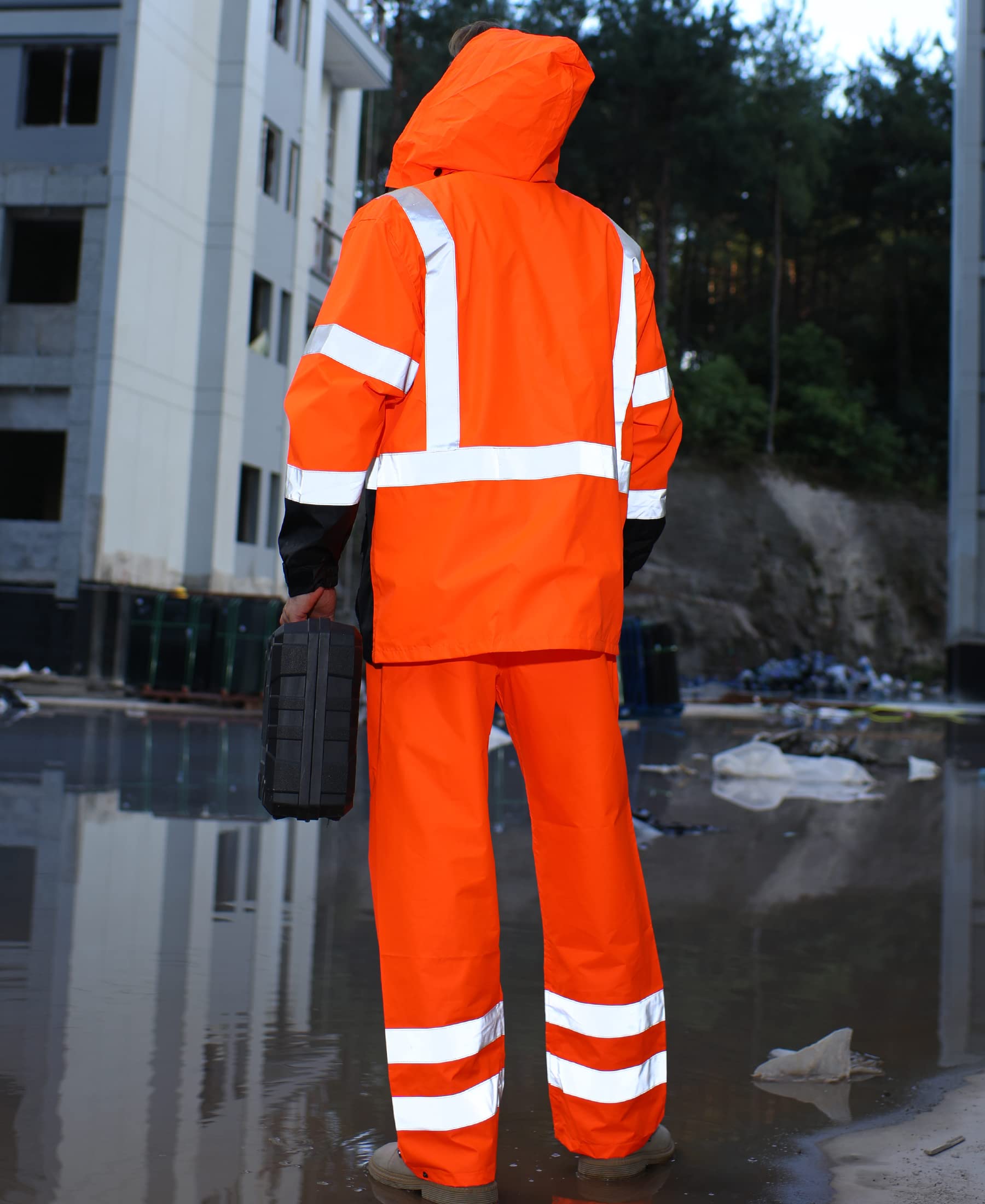
A stock image related to rain suit for men.
In-depth Look: Manufacturing Processes and Quality Assurance for rain suit for men
What Are the Main Stages in the Manufacturing Process of Rain Suits for Men?
The manufacturing process of rain suits for men involves several critical stages, each designed to ensure the product meets both functional and aesthetic standards. The primary stages include material preparation, forming, assembly, and finishing.
Material Preparation
The first stage involves sourcing high-quality materials that provide waterproofing, breathability, and durability. Manufacturers often use synthetic fabrics such as nylon or polyester that are treated with waterproof coatings. The selection of materials is crucial, as it directly impacts the suit’s performance in various weather conditions. Suppliers may also conduct preliminary tests on fabric to ensure it meets specifications for water resistance and tensile strength.
Forming
Once the materials are prepared, the next step is forming. This includes cutting the fabric into the appropriate shapes and sizes based on design specifications. Advanced technologies, such as laser cutting, may be employed for precision, ensuring minimal fabric wastage. Patterns are created to guide the cutting process, and attention is paid to the grain of the fabric to enhance waterproof properties.
Assembly
The assembly stage involves stitching the cut pieces together. This is a critical phase where the integrity of the rain suit is established. High-performance threads that resist moisture are typically used, and various seam types—such as flat-felled seams or waterproof taped seams—are selected based on the intended use of the suit. Additionally, manufacturers may incorporate features like adjustable cuffs, hoods, and ventilation openings, which require careful assembly to maintain the suit’s overall waterproofing.
Finishing
The final stage of manufacturing is finishing, which includes adding any additional features such as zippers, buttons, or reflective strips for visibility. Quality checks are performed during this stage to ensure that all components function correctly and meet design specifications. After finishing, the suits are typically pressed and folded for packaging.
How Is Quality Assurance Implemented in the Manufacturing of Rain Suits?
Quality assurance (QA) in the manufacturing of rain suits is vital to ensure that the final product meets international standards and customer expectations. This process involves multiple checkpoints and adherence to relevant standards.
What International Standards Govern the Quality of Rain Suits?
Manufacturers often adhere to international standards such as ISO 9001, which focuses on quality management systems. This certification requires companies to demonstrate their ability to consistently provide products that meet customer and regulatory requirements. Additionally, industry-specific certifications such as CE marking in Europe and API standards may apply, particularly if the rain suits are intended for specialized industries like construction or outdoor sports.
What Are the Key Quality Control Checkpoints?
Quality control (QC) checkpoints are established throughout the manufacturing process to monitor and ensure quality. These checkpoints typically include:
- Incoming Quality Control (IQC): Materials are inspected upon arrival to ensure they meet specifications.
- In-Process Quality Control (IPQC): Ongoing checks during the assembly process to identify defects early.
- Final Quality Control (FQC): Comprehensive inspection of the finished product before it is packaged and shipped.
What Testing Methods Are Commonly Used for Rain Suits?
Several testing methods are employed to validate the performance of rain suits. These may include:
- Waterproof Testing: Evaluating the fabric’s ability to repel water under various pressure conditions.
- Breathability Testing: Measuring the moisture vapor transmission rate (MVTR) to ensure comfort during wear.
- Durability Testing: Assessing the resistance of materials to wear and tear, which is crucial for outdoor applications.
How Can B2B Buyers Verify Supplier Quality Control?
For international B2B buyers, verifying the quality control processes of suppliers is essential to mitigate risks. Here are several strategies:
Conducting Supplier Audits
Regular audits of potential suppliers can provide insights into their manufacturing practices and adherence to quality standards. Buyers should request access to audit reports and certifications, ensuring that the supplier complies with relevant international standards.
Requesting Quality Reports
Buyers can ask suppliers for detailed quality reports that outline the results of various tests conducted on the products. These reports should include data on waterproofing, breathability, and durability, providing transparency about the product’s performance.
Utilizing Third-Party Inspection Services
Engaging third-party inspection services can add an extra layer of assurance. These independent entities can conduct on-site inspections during the manufacturing process, ensuring that the products meet the required specifications before shipment.
What Nuances Should B2B Buyers Consider for International Sourcing?
When sourcing rain suits internationally, particularly from regions like Africa, South America, the Middle East, and Europe, buyers should consider the following nuances:
- Cultural and Regulatory Differences: Understanding local regulations and cultural practices can facilitate smoother negotiations and compliance.
- Logistics and Supply Chain Management: Considerations regarding shipping times, costs, and customs regulations are crucial for international transactions.
- Communication Barriers: Language differences can pose challenges; hence, it is advisable to establish clear channels for communication to ensure that quality expectations are understood and met.
By understanding these aspects of manufacturing processes and quality assurance, B2B buyers can make informed decisions when sourcing rain suits for men, ensuring that they receive high-quality products that meet their market needs.
Practical Sourcing Guide: A Step-by-Step Checklist for ‘rain suit for men’
Introduction
Sourcing rain suits for men requires a strategic approach, especially when catering to diverse markets across Africa, South America, the Middle East, and Europe. This guide provides a practical checklist to help B2B buyers navigate the procurement process effectively, ensuring that they select high-quality products that meet their specific needs while maintaining cost efficiency.
Step 1: Define Your Technical Specifications
Establishing clear technical specifications is crucial for ensuring that the rain suits meet your operational requirements. Consider factors such as waterproof ratings, breathability, and weight.
– Material Composition: Look for suits made from durable, lightweight materials like GORE-TEX or specialized waterproof fabrics.
– Intended Use: Specify if the suits are for casual wear, industrial use, or outdoor activities, as this will influence the design and features needed.
Step 2: Identify Your Target Market Needs
Understanding the specific needs of your target market can guide your sourcing decisions. Different regions may have varying preferences based on climate, fashion trends, and local industries.
– Cultural Preferences: Research regional styles and color preferences that appeal to your target demographic.
– Functional Requirements: Consider if the market requires additional features such as high visibility for safety in industrial settings.
Step 3: Evaluate Potential Suppliers
Before making any commitments, thorough evaluation of potential suppliers is essential. Request company profiles, references, and product samples to assess quality and reliability.
– Supplier Experience: Look for suppliers with a proven track record in producing rain gear, particularly in your target regions.
– Quality Assurance Processes: Inquire about their quality control measures to ensure that the products meet international standards.
Step 4: Review Certifications and Compliance
Ensuring that your suppliers meet necessary certifications and compliance standards is critical for product safety and market acceptance.
– Industry Standards: Verify if the rain suits comply with relevant safety standards, such as ISO certifications or regional safety regulations.
– Environmental Compliance: Check for eco-friendly materials and manufacturing processes, as sustainability is increasingly important in global markets.
Step 5: Request Samples for Testing
Before placing a bulk order, always request samples of the rain suits to evaluate their quality firsthand. This step can prevent costly mistakes and ensure the product meets your expectations.
– Durability Testing: Conduct tests for waterproofing, breathability, and wear resistance under various conditions.
– Fit and Comfort: Ensure that the sizing meets your target market’s standards by assessing the fit and comfort of the samples.
Step 6: Negotiate Terms and Pricing
Once you have identified a suitable supplier, engage in negotiations to establish favorable terms and pricing.
– Volume Discounts: Discuss bulk purchasing options to secure better pricing based on order size.
– Payment Terms: Clarify payment conditions, including deposits, payment schedules, and any available financing options.
Step 7: Establish a Logistics Plan
Finally, develop a logistics plan for the timely delivery of the rain suits. Consider factors such as shipping methods, lead times, and potential customs regulations.
– Shipping Options: Evaluate the best shipping methods based on cost and delivery speed.
– Customs Clearance: Ensure all documentation is in order to avoid delays in customs that could disrupt your supply chain.
By following this checklist, B2B buyers can streamline their sourcing process for rain suits for men, ensuring they acquire high-quality products that meet market demands efficiently.
Comprehensive Cost and Pricing Analysis for rain suit for men Sourcing
What Are the Key Cost Components in Sourcing Men’s Rain Suits?
When sourcing men’s rain suits, understanding the cost structure is essential for making informed purchasing decisions. The primary components of cost include:
-
Materials: The choice of fabrics, such as waterproof synthetic blends or GORE-TEX, significantly influences the overall cost. Higher-quality materials generally lead to increased durability and performance, justifying higher price points.
-
Labor: Labor costs can vary widely based on the manufacturing location. Regions with lower wage standards may offer more competitive pricing, but this may impact quality and lead times.
-
Manufacturing Overhead: This includes costs associated with facilities, utilities, and general administration. Efficient factories may have lower overheads, allowing them to offer more competitive pricing.
-
Tooling: Initial tooling costs for patterns and molds can be substantial, particularly for customized designs. Buyers should consider these costs, especially if they require unique specifications.
-
Quality Control (QC): Implementing robust QC processes ensures product reliability but adds to costs. Buyers should weigh the benefits of strict QC against potential savings from less stringent practices.
-
Logistics: Shipping costs can fluctuate based on distance, mode of transport, and current fuel prices. International buyers must account for tariffs and customs fees, which can further affect the total cost.
-
Margin: Suppliers typically add a margin to cover their costs and profit. Understanding the typical margin in the market can help buyers negotiate better deals.
How Do Price Influencers Affect Men’s Rain Suit Pricing?
Several factors can significantly influence pricing in the B2B market for men’s rain suits:
-
Volume and Minimum Order Quantity (MOQ): Bulk orders often lead to discounts, making it essential for buyers to negotiate MOQs that align with their needs.
-
Specifications and Customization: Customized suits with specific branding or features may incur additional costs. Buyers should be clear about their requirements to avoid unexpected price increases.
-
Material Quality and Certifications: Higher-quality materials and certifications (like waterproof ratings) can justify higher prices. Buyers should assess whether the added cost aligns with their target market’s expectations.
-
Supplier Factors: Established suppliers with a strong reputation may command higher prices due to perceived reliability and quality assurance. Newer or less-known suppliers might offer lower prices but could come with higher risks.
-
Incoterms: Understanding the agreed Incoterms (e.g., FOB, CIF) is critical, as they dictate who bears shipping costs and risks. This knowledge can aid in budgeting and financial planning.
What Are Some Effective Buyer Tips for Sourcing Men’s Rain Suits Internationally?
International B2B buyers should employ strategic approaches to enhance cost efficiency and negotiate effectively:
-
Negotiate Terms: Always aim to negotiate price, MOQ, and payment terms. Building a relationship with suppliers can often lead to better pricing and flexibility.
-
Evaluate Total Cost of Ownership (TCO): Consider not just the purchase price but also logistics, duty fees, and potential returns when calculating the TCO. This holistic view can reveal hidden costs.
-
Stay Informed About Pricing Nuances: Different regions may have varying pricing standards based on local demand and competition. Understanding these nuances can provide leverage in negotiations.
-
Assess Supplier Reliability: Conduct due diligence on potential suppliers, including checking references and reviews. Reliable suppliers may have higher initial costs but can save money in the long run through consistent quality and timely deliveries.
-
Plan for Currency Fluctuations: When dealing with international transactions, be aware of currency exchange rates and their volatility. This can impact the final cost and should be factored into budgeting.
Buyers should remember that the prices referenced in this analysis are indicative and can vary based on market conditions and specific supplier negotiations.
Alternatives Analysis: Comparing rain suit for men With Other Solutions
When evaluating options for protecting against wet weather, it’s essential to consider various alternatives to traditional rain suits for men. These alternatives can provide similar benefits, such as keeping individuals dry during inclement weather, while potentially offering different advantages in terms of performance, cost, and use cases. Below, we explore two viable alternatives: waterproof jackets and ponchos.
| Comparison Aspect | Rain Suit For Men | Waterproof Jacket | Poncho |
|---|---|---|---|
| Performance | Excellent waterproofing and breathability; designed for active use. | Good waterproofing; varies by brand. | Basic waterproofing; less breathable. |
| Cost | $29.99 – $79.99 | $50 – $300 | $10 – $50 |
| Ease of Implementation | Easy to put on and take off; typically includes pants. | Simple to wear; generally a single item. | Very easy; just drape over the body. |
| Maintenance | Requires washing and occasional waterproofing treatment. | Easy to clean; some are machine washable. | Low maintenance; usually just wipe clean. |
| Best Use Case | Ideal for outdoor activities like hiking or fishing. | Suitable for daily wear or outdoor sports. | Great for casual use or emergencies; less suited for active use. |
How Do Waterproof Jackets Compare to Rain Suits for Men?
Waterproof jackets offer a lightweight and versatile alternative to traditional rain suits. They typically feature advanced materials that provide excellent waterproofing and breathability. The cost can vary significantly based on brand and technology, with options ranging from budget-friendly to premium. While jackets are generally easy to maintain, they may lack the full coverage that a rain suit provides, making them less suitable for activities requiring extensive movement in heavy rain.
Are Ponchos a Viable Alternative to Rain Suits for Men?
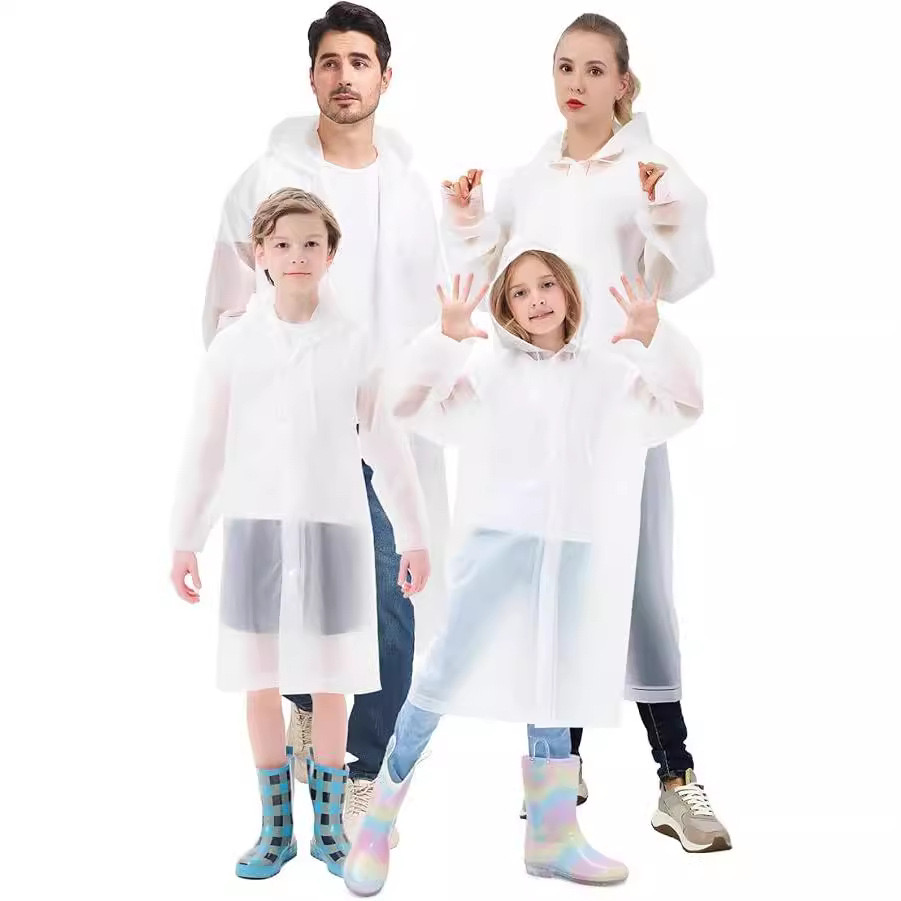
Ponchos present a more economical option for rain protection. They are incredibly easy to use—simply drape them over the head and body for instant coverage. Prices are generally low, making them accessible for bulk purchases, which can be beneficial for businesses needing cost-effective solutions. However, ponchos may not provide the same level of breathability or durability as rain suits, which could limit their effectiveness during prolonged exposure to heavy rainfall or for more vigorous outdoor activities.
Conclusion: Which Rain Protection Solution Should B2B Buyers Choose?
Choosing the right rain protection solution hinges on the specific needs of the end-user. For businesses focused on outdoor activities or requiring durable and reliable gear, investing in rain suits for men may be the best choice due to their performance and coverage. In contrast, companies seeking a budget-friendly and lightweight option might find waterproof jackets or ponchos more aligned with their requirements. Ultimately, evaluating the use case, budget, and desired performance will guide B2B buyers in making the most informed decision for their teams.
Essential Technical Properties and Trade Terminology for rain suit for men
What Are the Essential Technical Properties of Men’s Rain Suits?
When sourcing rain suits for men, understanding key technical properties is crucial for making informed purchasing decisions. Here are some of the most important specifications to consider:
-
Material Grade: The fabric used in rain suits often determines their durability and waterproof capabilities. Common materials include nylon, polyester, and GORE-TEX. High-grade materials offer better performance in terms of breathability and resistance to wear, which is essential for outdoor activities and prolonged exposure to harsh weather conditions.
-
Waterproof Rating: Measured in millimeters (mm), this rating indicates how much water pressure the fabric can withstand before leaking. A higher waterproof rating (e.g., 10,000 mm or above) is vital for ensuring that the suit remains effective in heavy rain, making it a critical specification for B2B buyers who prioritize functionality.
-
Breathability: This is often quantified by the moisture vapor transmission rate (MVTR), measured in grams per square meter per day (g/m²/day). A breathable fabric allows sweat to escape while preventing water from entering, ensuring comfort during physical activity. For businesses catering to customers in humid climates, this property is particularly important.
-
Weight and Packability: Lightweight materials enhance mobility and comfort, while packable designs allow for easy transportation and storage. This specification is especially relevant for buyers targeting outdoor enthusiasts or workers in industries where carrying gear is necessary.
-
Seam Sealing: The method of sealing seams (e.g., taped or welded) impacts a rain suit’s waterproof integrity. Fully taped seams provide the highest level of waterproofing, which is vital for maintaining the quality and longevity of the product in demanding environments.
-
Fit and Design Features: Consideration of fit (e.g., regular, loose, or tailored) and additional features like adjustable cuffs, hoods, and ventilation openings can enhance usability. These design choices can significantly affect customer satisfaction and repeat business.
What Are Common Trade Terms Relevant to Rain Suit Procurement?
Understanding industry terminology is essential for smooth transactions and effective communication among B2B buyers and suppliers. Here are some common trade terms:
-
OEM (Original Equipment Manufacturer): This refers to a company that produces parts or equipment that may be marketed by another manufacturer. In the context of rain suits, OEMs may create custom designs or specifications for brands looking to expand their product lines.
-
MOQ (Minimum Order Quantity): This term defines the smallest number of units that a supplier is willing to sell. Knowing the MOQ is crucial for budgeting and inventory management, especially for businesses aiming to minimize excess stock.
-
RFQ (Request for Quotation): An RFQ is a document sent by a buyer to potential suppliers requesting pricing information for specific products. This process allows buyers to compare costs and negotiate terms, ensuring they get the best deal for their procurement needs.
-
Incoterms (International Commercial Terms): These are standardized terms used in international trade to define the responsibilities of buyers and sellers. Understanding Incoterms helps businesses navigate shipping logistics, insurance, and delivery obligations, which are vital for successful cross-border transactions.
-
Lead Time: This term refers to the time taken from placing an order to receiving the goods. For B2B buyers, knowing the lead time helps in planning inventory and meeting customer demand without delays.
-
Quality Control (QC): This refers to the processes used to ensure that products meet specified quality standards. Implementing strict QC measures is essential for maintaining product integrity and customer satisfaction, particularly in industries where performance is critical.
By familiarizing themselves with these technical properties and trade terms, B2B buyers can make strategic decisions when sourcing men’s rain suits, ultimately leading to better product offerings and enhanced customer satisfaction.
Navigating Market Dynamics and Sourcing Trends in the rain suit for men Sector
What Are the Current Market Dynamics and Key Trends in the Rain Suit for Men Sector?
The global market for men’s rain suits is driven by various factors, including climate change, increasing outdoor activities, and the growing demand for high-performance waterproof gear. As weather patterns become more unpredictable, the need for reliable rain protection has surged, particularly in regions like Africa and South America, where heavy rains can disrupt daily life and economic activities. In Europe, particularly in countries like Germany and the UK, outdoor recreational activities have gained popularity, further boosting demand for quality rain suits.
Emerging trends in B2B sourcing for rain suits reflect a shift towards technology-driven solutions. Buyers are increasingly seeking suppliers that leverage innovative materials, such as breathable fabrics and lightweight composites that offer both comfort and durability. Additionally, the rise of e-commerce platforms has transformed traditional sourcing methods, allowing international buyers to access a wider range of products and suppliers. This digital transformation enables buyers to compare products, read customer reviews, and make informed decisions more efficiently.
Furthermore, the demand for customization is on the rise. B2B buyers are looking for suppliers who can provide tailored solutions, including branding options for corporate clients and specific sizing for diverse markets. This trend emphasizes the importance of flexibility and responsiveness in supply chains, making it crucial for suppliers to adapt quickly to changing buyer needs.
How Is Sustainability and Ethical Sourcing Influencing the Rain Suit for Men Market?
Sustainability has emerged as a critical factor in the sourcing of rain suits for men. The environmental impact of textile production, particularly in terms of water usage and pollution, has prompted buyers to prioritize suppliers that adopt eco-friendly practices. Ethical sourcing is not just a trend; it has become a necessity for many international buyers who are increasingly aware of the social implications of their purchasing decisions.
Buyers are now seeking suppliers that utilize sustainable materials, such as recycled polyester or organic cotton, and those that have certifications like Global Organic Textile Standard (GOTS) or OEKO-TEX. These certifications assure buyers of the environmental and social responsibility of the production processes. Moreover, companies that actively engage in reducing their carbon footprint and offer transparency in their supply chains are likely to gain a competitive advantage in the market.
In addition, the growing consumer awareness around climate change is influencing B2B purchasing decisions. Buyers from regions like the Middle East and Africa are increasingly demanding rain suits that not only perform well but also align with their values regarding sustainability. This shift towards responsible sourcing is reshaping the landscape of the rain suit market, pushing suppliers to innovate and adopt greener practices.
What Is the Brief Evolution of the Rain Suit for Men Sector?
The evolution of rain suits for men can be traced back to the early 20th century when the need for waterproof clothing became essential for outdoor workers and military personnel. Initially made from rubberized materials, these suits were heavy and uncomfortable. However, advancements in fabric technology led to the development of lighter, breathable materials that significantly improved comfort and usability.
By the late 20th century, the market saw a surge in demand for stylish and functional rainwear, driven by the growing interest in outdoor activities and fashion. Modern rain suits now combine functionality with aesthetics, featuring innovative designs that cater to both recreational and professional markets. This evolution reflects broader trends in consumer behavior, where practicality and style are no longer mutually exclusive.
Today, the market is characterized by a diverse range of products, from high-performance gear designed for extreme weather conditions to fashionable options suitable for urban settings. As technology continues to advance, the future of men’s rain suits promises further innovations in materials and design, making it an exciting sector for B2B buyers to explore.
Frequently Asked Questions (FAQs) for B2B Buyers of rain suit for men
-
How do I select the right rain suit for my business needs?
When choosing a rain suit, consider the specific environments and conditions your team will face. Look for features such as waterproofing, breathability, and durability. Assess the weight and packability of the suit, especially for outdoor jobs or travel. Additionally, consider whether you need customization options like branding or specific color schemes to align with your corporate identity. -
What materials should I look for in a quality rain suit?
High-quality rain suits are typically made from materials like GORE-TEX, PVC, or specialized nylon blends that offer waterproof and breathable properties. Look for suits that utilize advanced fabric technologies to ensure comfort and protection against the elements. Evaluate the weight of the fabric and its ability to withstand wear and tear in rugged environments, which is crucial for long-term use. -
What is the minimum order quantity (MOQ) for bulk purchases of rain suits?
MOQs can vary significantly between suppliers, often ranging from 50 to 500 units. It’s essential to discuss your specific needs with potential suppliers to understand their MOQ policies. Some manufacturers may offer flexibility, especially for first-time buyers or larger contracts. Always inquire about volume discounts, as ordering larger quantities can lead to significant cost savings. -
How can I ensure the quality of rain suits from international suppliers?
To ensure quality, request samples before placing a bulk order. Conduct thorough supplier vetting by checking references and previous customer reviews. Consider certifications related to quality management, such as ISO standards. Additionally, engage in regular quality assurance checks during production and before shipment to minimize risks of defects or non-compliance with your specifications. -
What payment terms should I negotiate with suppliers?
Payment terms often depend on the supplier’s policies and your negotiation leverage. Common terms include a 30% deposit upfront with the balance due upon shipment or delivery. Consider using secure payment methods such as letters of credit or escrow services for larger orders to protect your investment. Be sure to clarify any additional fees or currency exchange considerations if dealing with international suppliers. -
What are the logistics considerations for importing rain suits?
When importing, factor in shipping costs, customs duties, and delivery timelines. Choose a reliable freight forwarder who can assist with logistics and customs clearance. It’s also vital to understand the regulations regarding textile imports in your country to avoid delays. Establish clear communication with your supplier regarding shipping schedules and tracking to ensure timely receipt of goods. -
How can I customize rain suits for my brand?
Many manufacturers offer customization options, including color changes, logo embroidery, and tailored sizing. Discuss your branding needs early in the negotiation process to ensure the supplier can accommodate your requests. Be prepared to provide design files and specify placement for logos or graphics. Understanding the additional costs and lead times associated with customization will help you plan effectively. -
What are the common challenges in sourcing rain suits internationally?
Common challenges include language barriers, cultural differences, and varying quality standards. Time zone differences can complicate communication, leading to potential delays. Ensure clear documentation and contracts to avoid misunderstandings. Additionally, be aware of international trade regulations and tariffs that may affect pricing and logistics. Engaging a local agent or consultant can help navigate these complexities.
Important Disclaimer & Terms of Use
⚠️ Important Disclaimer
The information provided in this guide, including content regarding manufacturers, technical specifications, and market analysis, is for informational and educational purposes only. It does not constitute professional procurement advice, financial advice, or legal advice.
While we have made every effort to ensure the accuracy and timeliness of the information, we are not responsible for any errors, omissions, or outdated information. Market conditions, company details, and technical standards are subject to change.
B2B buyers must conduct their own independent and thorough due diligence before making any purchasing decisions. This includes contacting suppliers directly, verifying certifications, requesting samples, and seeking professional consultation. The risk of relying on any information in this guide is borne solely by the reader.
Top 5 Rain Suit For Men Manufacturers & Suppliers List
1. Frogg Toggs – Men’s Rain Suits
Domain: froggtoggs.com
Registered: 1997 (28 years)
Introduction: Men’s Rain Suits from Frogg Toggs include: 1. Frogg Toggs® Men’s Ultra-Lite2 Waterproof Rain Suit – Price: $29.99 to $39.99, SKU: UL12104-04SM 2. Frogg Toggs® Men’s Classic All-Sport Waterproof Breathable Rain Suit – Price: $29.95 to $79.99, SKU: AS1310-01SM 3. Frogg Toggs® Men’s Pro Lite 2-Piece Waterproof Rain Suit – Price: $49.99, SKU: PL12140-01S/M 4. Frogg Toggs® Men’s Vapor Rain Suit – Price…
2. HH Workwear – Alta Hi Vis Waterproof Rain Bib Pants
Domain: hhworkwear.com
Registered: 2000 (25 years)
Introduction: This company, HH Workwear – Alta Hi Vis Waterproof Rain Bib Pants, is a notable entity in the market. For specific product details, it is recommended to visit their website directly.
3. L.L. Bean – Men’s Bean Boots

Domain: llbean.com
Registered: 1995 (30 years)
Introduction: Men’s Rain Gear & Boots: 36 items available. Key products include: 1. Men’s Bean Boots, 6″ – Price: $139, Rating: 4.3, Colors: 130 2. Men’s Cresta Stretch Rain Jacket – Price range: $149 to $180, Rating: 4.6, Colors: 600 3. Men’s Northwoods II Rain Jacket – Price: $150 4. Men’s Trail Model Rain Jacket – Price: $99, Rating: 4.5 5. Men’s Pathfinder GORE-TEX Shell Jacket – Price: $300, Rating: 4.3 6….
4. Rain Gear – Top Brands and Types
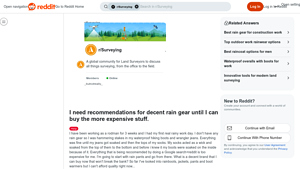
Domain: reddit.com
Registered: 2005 (20 years)
Introduction: Recommendations for decent rain gear include: 1. Brands: Carhartt, Outdoor Research, Marmot, REI. 2. Types of rain gear: Rain jackets, rain pants, rain boots, and boot warmers. 3. Price range: Affordable options around $30-$60 for basic rain gear; higher quality options range from $100 to $400. 4. Construction types: DWR (Durable Water Resistant), Waterproof Breathable, and Full Waterproof. 5. Fea…
5. Carhartt – Men’s Rain Jackets & Gear
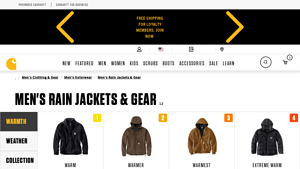
Domain: carhartt.com
Registered: 1996 (29 years)
Introduction: Men’s Rain Jackets & Gear from Carhartt include a variety of options such as insulated and lined jackets, lightweight rain jackets, and big & tall sizes. The collection features various styles suitable for fall layering and includes accessories like hats and gloves. Carhartt emphasizes durability and performance with technologies like Storm Defender® and Rain Defender®.
Strategic Sourcing Conclusion and Outlook for rain suit for men
In today’s competitive market, strategic sourcing for men’s rain suits is not just a procurement function; it is a vital component of a successful business strategy. Key insights reveal that prioritizing quality, durability, and cost-effectiveness can significantly enhance the value proposition offered to customers. International buyers should focus on suppliers that utilize advanced materials and innovative designs, ensuring that their product offerings meet the diverse needs of various climates and industries across Africa, South America, the Middle East, and Europe.
Furthermore, fostering strong relationships with manufacturers can lead to better pricing, customization options, and reliable supply chains. As businesses navigate the challenges of fluctuating demand and economic uncertainties, leveraging strategic sourcing can provide a competitive edge and ensure resilience.
Looking ahead, B2B buyers are encouraged to remain proactive in exploring new trends and technologies in rain gear. By investing in quality rain suits that combine performance with style, companies can cater to a growing market demand while enhancing brand loyalty. Engage with trusted suppliers, evaluate your sourcing strategies, and position your business for success in an ever-evolving marketplace.


 Vietnamese
  English
  Russian
  Spanish
  Arabic
  Portuguese
  German
  Korean
  Japanese