
Introduction: Navigating the Global Market for hiking rain jacket
In the ever-evolving landscape of outdoor gear, sourcing high-quality hiking rain jackets presents a unique challenge for B2B buyers, particularly those operating in diverse climates across Africa, South America, the Middle East, and Europe. With a myriad of options available, it is crucial for businesses to identify jackets that not only provide reliable waterproofing and breathability but also cater to the specific needs of their target markets. This comprehensive guide delves into the various types of hiking rain jackets, exploring their applications across different outdoor activities, climates, and user preferences.
Buyers will benefit from a detailed analysis of essential factors such as material durability, weight, packability, and sustainability—elements that can significantly influence purchasing decisions. Additionally, we offer insights into supplier vetting processes, ensuring that businesses can confidently select manufacturers who meet stringent quality standards. Cost considerations are also addressed, with practical tips for balancing budget constraints with the need for high-performance gear.
By equipping international B2B buyers with the knowledge to navigate the complexities of the hiking rain jacket market, this guide empowers them to make informed purchasing decisions. Whether catering to adventure tourism in the rugged terrains of South America or outfitting outdoor enthusiasts in the rain-prone regions of Europe, this resource is designed to streamline the procurement process and enhance customer satisfaction.
Understanding hiking rain jacket Types and Variations
| Type Name | Key Distinguishing Features | Primary B2B Applications | Brief Pros & Cons for Buyers |
|---|---|---|---|
| Hardshell Jackets | Waterproof, durable, multi-layer construction | Extreme weather conditions | Pros: Excellent protection; Cons: Heavier and less breathable. |
| Lightweight Jackets | Ultralight, packable, often single-layer | Casual hikes and day trips | Pros: Highly portable; Cons: Limited weather protection. |
| Softshell Jackets | Stretchy, breathable, water-resistant | Versatile outdoor activities | Pros: Comfort and mobility; Cons: Less waterproof than hardshells. |
| Insulated Rain Jackets | Insulation combined with waterproofing | Cold and wet environments | Pros: Warmth in cold rain; Cons: Bulkier and heavier. |
| Eco-Friendly Jackets | Made from sustainable materials and processes | Environmentally conscious markets | Pros: Appeals to green consumers; Cons: May be pricier. |
What are the Key Characteristics of Hardshell Jackets?
Hardshell jackets are designed with a focus on waterproof and durable materials, typically featuring multi-layer construction. They provide superior protection against harsh weather conditions, making them ideal for extreme outdoor activities such as mountaineering or heavy rain hiking. B2B buyers in sectors like outdoor gear retail or adventure tourism can benefit from these jackets, as they appeal to customers seeking reliable performance in adverse conditions. However, their heavier weight and reduced breathability may deter some users, necessitating a careful assessment of customer needs.
How Do Lightweight Jackets Differ from Other Types?
Lightweight jackets are characterized by their ultralight and packable designs, often constructed from single-layer materials. These jackets are perfect for casual hikes or day trips where portability is prioritized. For B2B buyers, lightweight jackets can be a cost-effective option for retailers targeting recreational hikers or casual outdoor enthusiasts. While their ease of transport is a significant advantage, their limited weather protection could be a drawback for more serious adventurers, requiring careful marketing to the right audience.
What Makes Softshell Jackets a Versatile Option?
Softshell jackets are known for their stretchy and breathable fabrics, which provide comfort and mobility during outdoor activities. They are often water-resistant but not fully waterproof, making them suitable for a variety of activities, from hiking to climbing. B2B buyers can position softshell jackets as a versatile option for consumers who prioritize comfort and flexibility over extreme weather protection. However, it’s essential to communicate their limitations in terms of waterproofing to avoid customer dissatisfaction.
Why Consider Insulated Rain Jackets for Cold Conditions?
Insulated rain jackets combine waterproofing with thermal insulation, making them ideal for cold and wet environments. These jackets are particularly beneficial for B2B buyers catering to markets in colder climates, where customers need protection from both rain and cold temperatures. While they offer warmth and weather resistance, the bulkiness and weight of insulated jackets may limit their appeal to customers looking for lightweight options. Therefore, emphasizing their suitability for specific weather conditions can help in targeting the right audience.
What are the Benefits of Eco-Friendly Jackets?
Eco-friendly jackets are constructed from sustainable materials and processes, appealing to environmentally conscious consumers. B2B buyers can leverage this trend by offering eco-friendly options that cater to a growing market segment focused on sustainability. While these jackets often come with a higher price tag, their appeal to green consumers can result in increased brand loyalty and sales. It’s crucial for retailers to highlight the environmental benefits and certifications of these jackets to effectively engage with their target demographic.
Key Industrial Applications of hiking rain jacket
| Industry/Sector | Specific Application of Hiking Rain Jacket | Value/Benefit for the Business | Key Sourcing Considerations for this Application |
|---|---|---|---|
| Outdoor Recreation | Adventure Tourism Guides | Enhances safety and comfort for guides in varying weather conditions | Durability, breathability, lightweight design, and packability |
| Environmental Research | Field Studies in Diverse Weather Conditions | Protects researchers from rain and wind while conducting fieldwork | Waterproofing, ease of movement, and resistance to wear and tear |
| Construction and Labor | Outdoor Work Sites | Keeps workers dry and comfortable, improving productivity in inclement weather | Compliance with safety standards, insulation properties, and fit |
| Military and Defense | Tactical Operations in Variable Climates | Provides protection against the elements for personnel in active scenarios | Camouflage options, durability, and functionality in high-stress environments |
| Retail and Wholesale | Outdoor Apparel Retailers | Offers a competitive edge by providing high-quality, versatile products | Brand reputation, sustainability, and customer demand for features like breathability and waterproofing |
How is a Hiking Rain Jacket Used in Outdoor Recreation?
In the adventure tourism sector, hiking rain jackets are essential for guides operating in unpredictable weather. These jackets not only ensure the comfort and safety of guides but also enhance the overall experience for clients. With features like lightweight construction and breathability, they allow for ease of movement during hikes. When sourcing, businesses must prioritize durability and packability, as these jackets will frequently be exposed to harsh conditions.
What Role Does a Hiking Rain Jacket Play in Environmental Research?
For environmental researchers conducting field studies, hiking rain jackets serve as a critical protective layer against rain and wind. These jackets allow researchers to focus on their work without the distraction of wet clothing, thus improving efficiency and data collection. Buyers in this sector should look for jackets that offer excellent waterproofing and ventilation, as they often work in diverse climates and need to maintain comfort while on the move.
Why are Hiking Rain Jackets Important in Construction and Labor?
In construction, particularly on outdoor sites, hiking rain jackets protect workers from rain and cold, which can significantly impact productivity. By keeping workers dry, these jackets help maintain morale and efficiency, reducing the risk of weather-related disruptions. When sourcing for this application, businesses should consider compliance with safety standards, as well as the insulation properties and fit of the jackets to ensure they meet the physical demands of labor-intensive work.
How Do Hiking Rain Jackets Benefit Military and Defense Operations?
Military personnel often operate in variable climates, making hiking rain jackets a crucial component of their gear. These jackets protect against the elements while allowing for mobility and tactical advantage during operations. Buyers in this sector need to focus on features such as durability, water resistance, and options for camouflage, ensuring that the jackets can withstand rigorous conditions while meeting operational needs.
What are the Considerations for Retail and Wholesale in Hiking Rain Jackets?
Retailers offering hiking rain jackets benefit from providing high-quality, versatile products that meet customer demands for outdoor activities. These jackets not only attract a broad customer base but also enhance brand reputation through quality assurance. When sourcing, retailers should consider sustainability practices and the latest features that consumers are looking for, such as breathability and waterproofing, to stay competitive in the market.
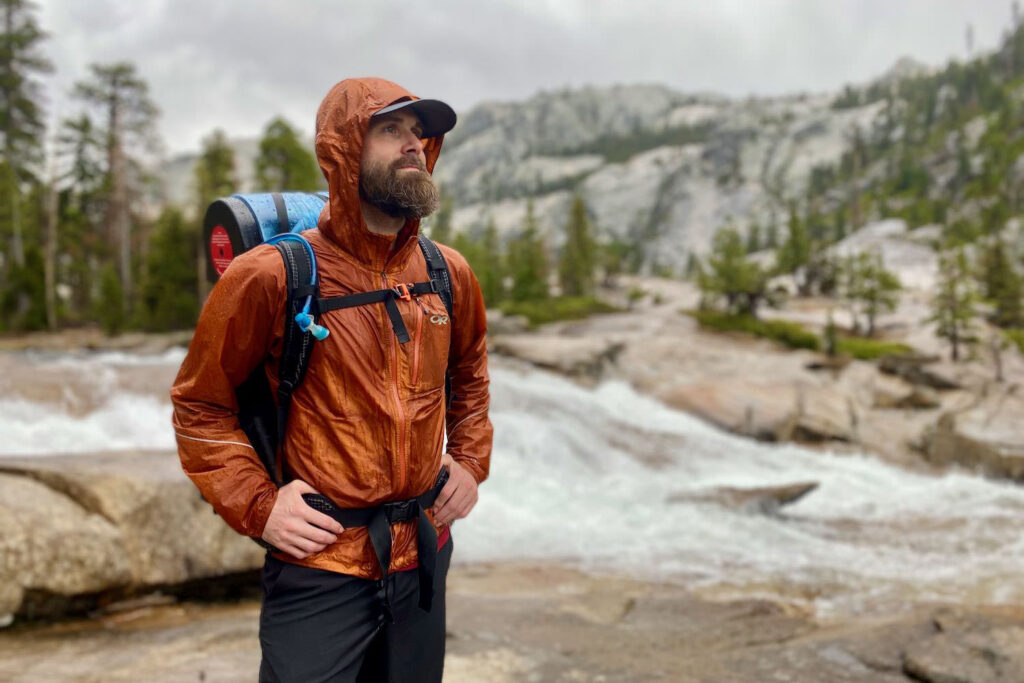
A stock image related to hiking rain jacket.
3 Common User Pain Points for ‘hiking rain jacket’ & Their Solutions
Scenario 1: Difficulty in Sourcing High-Quality Rain Jackets for Diverse Climates
The Problem: B2B buyers often face challenges when trying to procure hiking rain jackets that can withstand a variety of weather conditions across different regions. For example, buyers in Africa may require jackets that offer excellent waterproofing and breathability for humid climates, while those in Europe might prioritize durability and insulation for colder, wet conditions. This discrepancy can lead to confusion and dissatisfaction if the products sourced do not meet the specific needs of the target market. Buyers may end up with jackets that are either too heavy, not breathable enough, or not waterproof, leading to potential returns and loss of reputation.
The Solution: To effectively source high-quality hiking rain jackets, buyers should conduct thorough market research to understand the specific climatic needs of their target customers. Engage with manufacturers who offer customizable options, allowing for adjustments in materials and features based on regional requirements. For instance, incorporating features like pit zips for ventilation or selecting lightweight, high-performance fabrics can make a significant difference. Additionally, establishing strong relationships with suppliers can facilitate access to product testing samples. This allows buyers to assess performance in real-world conditions before making bulk purchases, ensuring that the jackets meet diverse customer expectations.
Scenario 2: Balancing Cost and Quality in Bulk Purchases
The Problem: Many B2B buyers struggle with the challenge of balancing cost and quality when purchasing hiking rain jackets in bulk. Often, the most affordable options may compromise on essential features such as waterproofing, breathability, and durability. This can lead to customer dissatisfaction, returns, and ultimately harm the buyer’s business reputation. For instance, a company that provides hiking gear to tour operators might find that low-quality jackets fail in the field, resulting in unhappy clients and lost business opportunities.
The Solution: To navigate the cost-quality dilemma, buyers should adopt a value-based sourcing strategy. This involves analyzing the total cost of ownership rather than just the initial purchase price. Prioritize suppliers that provide transparent information about their materials and manufacturing processes. Look for certifications (e.g., waterproof ratings, sustainability certifications) that ensure quality. Buyers can also negotiate bulk discounts or consider long-term contracts with manufacturers that offer competitive pricing without sacrificing quality. Implementing a trial period for new products can also help in evaluating performance and making informed decisions before committing to larger orders.
Scenario 3: Ensuring Proper Fit and Sizing Across Different Markets
The Problem: Sizing discrepancies can be a major pain point for B2B buyers, especially when sourcing hiking rain jackets for international markets. What fits well in one region may not be suitable in another due to variations in body shapes and preferences. This can lead to high return rates and inventory issues, as customers may find that the jackets do not fit as expected, ultimately affecting sales and customer loyalty.
The Solution: To mitigate sizing issues, B2B buyers should collaborate with manufacturers who have established sizing standards that accommodate a wide range of body types. Consider sourcing jackets that offer a comprehensive size range, including options for tall, petite, and plus sizes. Providing detailed size charts and fit guides on product listings can also aid in customer decision-making. Additionally, implementing a flexible return policy can enhance customer satisfaction, allowing buyers to exchange sizes without frustration. Utilizing customer feedback and sales data to adjust future orders can further refine the sizing strategy and ensure a better fit for diverse markets.
Strategic Material Selection Guide for hiking rain jacket
What Are the Key Materials Used in Hiking Rain Jackets?
When selecting materials for hiking rain jackets, understanding the properties, advantages, and limitations of each option is crucial for B2B buyers. The choice of material directly affects the jacket’s performance, durability, and overall suitability for various environments. Below are analyses of four common materials used in hiking rain jackets.
How Do Nylon Fabrics Perform in Hiking Rain Jackets?
Nylon is a popular choice for hiking rain jackets due to its lightweight and durable nature. Key properties include high tensile strength and excellent abrasion resistance, making it suitable for rugged outdoor activities. Nylon fabrics can typically withstand moderate temperatures and pressures, providing adequate protection against harsh weather conditions.
Pros: Nylon is relatively inexpensive and easy to manufacture, which keeps production costs lower. It is also highly packable, allowing for easy storage in backpacks.
Cons: While nylon is durable, it can be less breathable than other materials, potentially leading to discomfort during high-intensity activities. Additionally, it may require special treatments to enhance waterproofing, which can complicate manufacturing.
Impact on Application: Nylon is compatible with various waterproofing technologies, such as polyurethane (PU) coatings or DWR (Durable Water Repellent) finishes.
Considerations for International Buyers: Compliance with international standards such as ASTM for fabric performance is essential. Buyers from Europe, especially Germany, may prefer certifications that guarantee environmental sustainability.
What Role Does Polyester Play in Hiking Rain Jacket Construction?
Polyester is another commonly used material in hiking rain jackets, known for its moisture-wicking properties and quick-drying capabilities. It typically offers good UV resistance and retains its shape well under stress.
Pros: Polyester fabrics are often lighter than nylon, making them a preferred choice for ultralight jackets. They are also generally more affordable, which appeals to budget-conscious buyers.
Cons: While polyester is water-resistant, it is not inherently waterproof, often requiring additional coatings. It can also be less durable than nylon in extreme conditions, leading to potential wear and tear.
Impact on Application: Polyester’s compatibility with various waterproofing methods makes it versatile, but the choice of coating can significantly influence its performance.
Considerations for International Buyers: Buyers in South America and Africa may prioritize cost-effective options, while those in Europe may look for high-performance polyester with certifications for environmental impact.
How Do Gore-Tex and Other Membrane Technologies Enhance Rain Jackets?
Gore-Tex is a well-known waterproof and breathable membrane technology used in high-performance rain jackets. It features a unique structure that allows moisture vapor to escape while preventing water from penetrating.
Pros: The primary advantage of Gore-Tex is its exceptional waterproofing and breathability, making it suitable for extreme weather conditions. It also enhances comfort during high-output activities.
Cons: Gore-Tex jackets tend to be more expensive due to the advanced technology involved. Additionally, they may require special care to maintain their performance over time.
Impact on Application: Gore-Tex is ideal for environments with heavy rainfall and varying temperatures, making it a top choice for serious hikers and outdoor enthusiasts.
Considerations for International Buyers: Compliance with specific certifications, such as DIN or JIS, is crucial for buyers in Europe and Asia. Buyers in the Middle East may seek options that offer UV protection in addition to waterproofing.
What Are the Benefits of Using Eco-Friendly Fabrics in Hiking Rain Jackets?
Eco-friendly fabrics, such as recycled polyester or organic cotton blends, are gaining traction in the outdoor apparel market. These materials often come with certifications that indicate sustainable sourcing and manufacturing practices.
Pros: The primary advantage of eco-friendly fabrics is their reduced environmental impact, appealing to environmentally conscious consumers. They can also offer unique performance characteristics, such as enhanced breathability and comfort.
Cons: These fabrics can be more expensive than traditional materials, which may deter budget-sensitive buyers. Additionally, the availability of eco-friendly options may vary by region.
Impact on Application: Eco-friendly fabrics can be suitable for various applications, but their performance in extreme conditions may not always match that of synthetic alternatives.
Considerations for International Buyers: Buyers in Europe are increasingly prioritizing sustainable options and may require certifications to ensure compliance with environmental standards.
Summary of Material Selection for Hiking Rain Jackets
| Material | Typical Use Case for Hiking Rain Jacket | Key Advantage | Key Disadvantage/Limitation | Relative Cost (Low/Med/High) |
|---|---|---|---|---|
| Nylon | General hiking and outdoor activities | High durability and abrasion resistance | Less breathable, may require treatments | Medium |
| Polyester | Lightweight hiking and casual wear | Moisture-wicking and quick-drying | Not inherently waterproof | Low |
| Gore-Tex | Extreme weather conditions | Exceptional waterproofing and breathability | Higher cost, requires special care | High |
| Eco-Friendly Fabrics | Environmentally conscious consumers | Reduced environmental impact | Higher cost, variable performance | Medium to High |
This guide provides B2B buyers with a comprehensive understanding of the materials used in hiking rain jackets, helping them make informed decisions based on performance, cost, and environmental considerations.
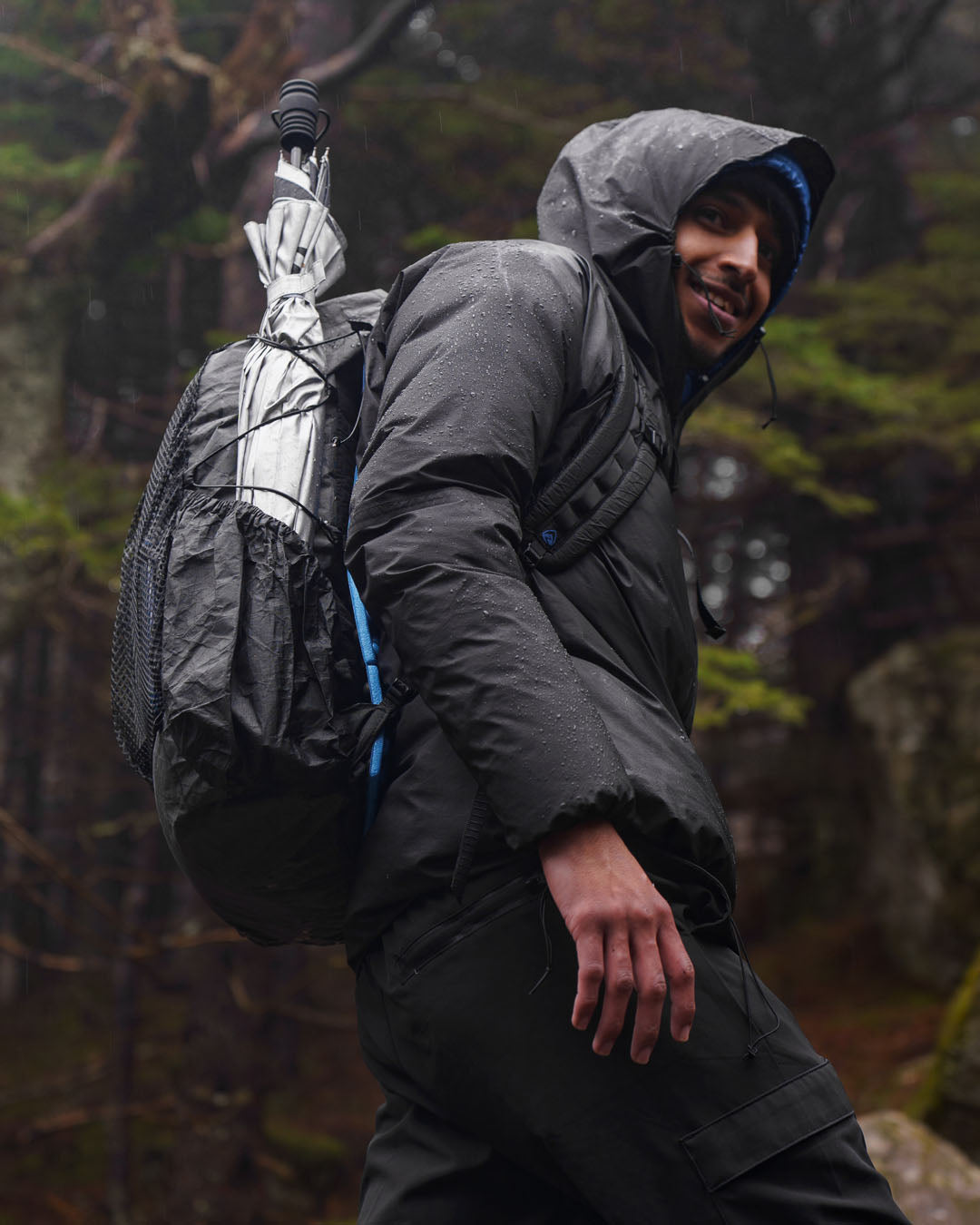
A stock image related to hiking rain jacket.
In-depth Look: Manufacturing Processes and Quality Assurance for hiking rain jacket
What Are the Main Stages in the Manufacturing Process of Hiking Rain Jackets?
The manufacturing of hiking rain jackets involves several critical stages, each designed to ensure the final product meets high performance and durability standards. The process can typically be broken down into four main stages: material preparation, forming, assembly, and finishing.
How Is Material Prepared for Hiking Rain Jackets?
The journey begins with the selection of appropriate materials, which are crucial for the functionality of hiking rain jackets. The most common fabrics include nylon, polyester, and specialized waterproof membranes like Gore-Tex or proprietary alternatives.
-
Material Sourcing: Manufacturers procure high-quality raw materials that provide the necessary waterproofing, breathability, and durability. They often opt for sustainable sources to align with growing environmental concerns.
-
Fabric Treatment: Before cutting, the fabric undergoes treatments such as DWR (Durable Water Repellent) application to enhance water resistance. This step is vital for ensuring the fabric performs well under wet conditions.
-
Cutting: The treated fabric is then cut into predetermined patterns using advanced cutting techniques, such as laser cutting, which ensures precision and minimizes waste.
What Techniques Are Used in Forming and Assembly?
Once the materials are prepared, the next stage focuses on forming and assembling the jacket.
What Forming Techniques Are Commonly Employed?
-
Seam Sealing: A critical step in the waterproofing process involves sealing seams using heat or adhesive tapes. This prevents water ingress through the stitching, which is a common weak point in waterproof apparel.
-
Lamination: Some high-performance jackets undergo lamination, where a waterproof membrane is bonded to the outer fabric. This technique improves breathability while maintaining waterproof properties.
How Is the Jacket Assembled?
-
Stitching: Skilled workers or automated machines stitch the cut pieces together. Various stitch types are employed depending on the desired strength and flexibility.
-
Zipper and Accessory Installation: Zippers, pockets, and other accessories are added during assembly. Quality zippers, often waterproof or water-resistant, are essential for maintaining the integrity of the jacket.
-
Quality Checks During Assembly: Inline quality checks are critical at this stage to ensure that all components are correctly installed and that the jacket meets design specifications.
What Finishing Processes Ensure Quality in Hiking Rain Jackets?
The final stage of manufacturing involves finishing processes that enhance both aesthetics and functionality.
How Is Quality Enhanced During Finishing?
-
Final Inspection: Each jacket undergoes a thorough inspection to check for defects, such as fabric flaws or stitching errors. This is often referred to as Final Quality Control (FQC).
-
Packaging: Jackets are then carefully folded and packed, often with instructions for care and maintenance. Packaging may also include information about the jacket’s features, materials, and certifications.
-
Labeling: Compliance labels are attached to indicate adherence to international standards, such as ISO 9001, which ensures the manufacturer follows a quality management system.
What Are the Key Quality Assurance Measures for Hiking Rain Jackets?
Quality assurance (QA) is a cornerstone of the manufacturing process and involves multiple checkpoints to ensure the final product meets specified standards.
Which International Standards Are Relevant for Hiking Rain Jackets?
-
ISO 9001: This international standard focuses on quality management systems and is crucial for manufacturers aiming to demonstrate their commitment to quality.
-
CE Marking: In Europe, CE marking indicates that a product complies with health, safety, and environmental protection standards. This is particularly relevant for outdoor gear intended for the European market.
-
API (American Petroleum Institute): While more common in industrial applications, certain waterproofing materials may be subject to API standards, especially if they are used in conjunction with other outdoor gear.
What Are Common QC Checkpoints?
-
Incoming Quality Control (IQC): This involves inspecting raw materials upon arrival to ensure they meet specified standards.
-
In-Process Quality Control (IPQC): During manufacturing, ongoing inspections are performed to catch defects early, minimizing waste and rework.
-
Final Quality Control (FQC): As mentioned, this is the last checkpoint before packing, ensuring that the product meets all specifications.
How Can B2B Buyers Verify Supplier Quality Control?
For B2B buyers, especially those operating in diverse regions like Africa, South America, the Middle East, and Europe, verifying supplier quality control is vital.
What Methods Can Buyers Use to Verify QC?
-
Supplier Audits: Conducting regular audits of suppliers can provide insights into their manufacturing processes and quality control measures. This helps ensure that they adhere to international standards.
-
Quality Reports: Requesting detailed quality reports can offer transparency regarding the manufacturing process, including any quality checks performed.
-
Third-Party Inspections: Engaging third-party inspection services can provide an unbiased assessment of the supplier’s quality control measures and product quality.
What Are the Unique QC and Certification Nuances for International Buyers?
International B2B buyers must be aware of specific nuances related to quality control and certification that can vary by region.
-
Regional Standards Compliance: Different regions may have varying compliance requirements. For instance, CE marking is essential for European markets, while other regions may prioritize different certifications.
-
Sustainability Certifications: As sustainability becomes a focal point in global trade, buyers should consider suppliers with certifications like OEKO-TEX or Global Recycled Standard (GRS), which attest to environmentally friendly practices.
-
Cultural Considerations: Understanding cultural differences in quality expectations and communication styles can facilitate better partnerships and ensure alignment on quality standards.
In conclusion, the manufacturing processes and quality assurance measures for hiking rain jackets are intricate and multi-faceted. By understanding these stages and implementing rigorous quality checks, B2B buyers can ensure they source high-quality products that meet their needs and those of their customers. This knowledge is especially critical in a global marketplace where standards and expectations may vary significantly.
Practical Sourcing Guide: A Step-by-Step Checklist for ‘hiking rain jacket’
To successfully source hiking rain jackets for your business, it’s essential to follow a structured approach that ensures you meet your requirements while navigating the complexities of international procurement. This guide outlines key steps that will help you make informed decisions and secure the best products for your market.
Step 1: Identify Your Target Market Needs
Understanding the specific needs of your target market is the foundation of effective sourcing. Consider factors such as climate conditions, hiking activity levels, and local preferences in style and functionality. This knowledge will guide your choices in terms of materials, features, and price points that resonate with your customers.
- Climate Considerations: Assess whether your target regions experience heavy rainfall, humidity, or cold temperatures, which may influence the type of waterproofing and insulation required.
- User Demographics: Analyze the preferences of different customer segments, including casual hikers versus serious trekkers, to tailor your offerings accordingly.
Step 2: Define Your Technical Specifications
Establish clear technical requirements for the jackets you intend to procure. This includes specifications related to waterproofing, breathability, weight, and packability.
- Waterproof Ratings: Look for jackets with a minimum of 10,000 mm waterproof rating for adequate protection.
- Breathability Metrics: Ensure that the jackets have a breathable membrane (measured in g/m²/24h) to prevent moisture buildup during physical activity.
Step 3: Research and Evaluate Potential Suppliers
Conduct thorough research to identify potential suppliers who specialize in hiking rain jackets. It’s vital to vet suppliers based on their product quality, reliability, and compliance with industry standards.
- Supplier Background: Review their business history, production capacity, and customer reviews to gauge reliability.
- Quality Certifications: Verify that suppliers possess relevant certifications, such as ISO, to ensure they meet international quality standards.
Step 4: Request Samples for Testing
Before finalizing any purchase, request samples of the jackets to evaluate their performance in real-world conditions. Testing samples can help you assess their durability, comfort, and overall quality.
- Field Testing: Conduct trials in various weather conditions to simulate customer experiences.
- Feedback Collection: Gather insights from team members or potential customers who test the jackets to identify strengths and weaknesses.
Step 5: Negotiate Terms and Pricing
Once you’ve identified suitable suppliers and tested samples, proceed to negotiate terms. Focus on pricing, minimum order quantities, lead times, and payment terms to ensure favorable conditions for your business.
- Bulk Discounts: Inquire about pricing tiers based on order volume to maximize cost efficiency.
- Flexible Payment Terms: Aim for payment terms that align with your cash flow needs, such as a deposit followed by payment upon delivery.
Step 6: Establish Quality Control Processes
Implement quality control measures to ensure the jackets meet your specifications upon delivery. This can prevent costly returns and maintain customer satisfaction.
- Inspection Protocols: Develop a checklist for inspecting incoming shipments, focusing on material quality, stitching, and waterproofing effectiveness.
- Supplier Audits: Regularly audit your suppliers to ensure they adhere to quality standards and make improvements as necessary.
Step 7: Plan for Logistics and Distribution
Finally, consider the logistics involved in shipping the jackets from suppliers to your distribution centers. Efficient logistics will minimize delays and ensure timely delivery to your customers.
- Shipping Options: Evaluate various shipping methods based on cost, speed, and reliability to find the best option for your needs.
- Inventory Management: Implement an inventory management system to keep track of stock levels and streamline order fulfillment.
By following this structured checklist, you can effectively source high-quality hiking rain jackets that meet your market’s demands while establishing a reliable supply chain.
Comprehensive Cost and Pricing Analysis for hiking rain jacket Sourcing
When considering the sourcing of hiking rain jackets, understanding the comprehensive cost structure and pricing dynamics is essential for B2B buyers. The costs associated with manufacturing these jackets can be broken down into several key components, each influencing the final price.
What Are the Key Cost Components for Hiking Rain Jackets?
-
Materials: The type of fabric used in rain jackets significantly affects cost. High-performance materials like Gore-Tex or proprietary waterproof fabrics can increase the price due to their superior water resistance and breathability. In contrast, more affordable options may use basic nylon or polyester blends, impacting durability and performance.
-
Labor: Labor costs vary significantly depending on the manufacturing location. Countries with higher labor costs, such as those in Europe, will see increased overall production costs. Conversely, sourcing from regions in Asia or South America may offer lower labor rates, but these can be offset by shipping and logistics costs.
-
Manufacturing Overhead: This includes costs related to factory operations, such as utilities, rent, and administrative expenses. Efficient factories with streamlined processes can reduce overhead costs, benefiting buyers through competitive pricing.
-
Tooling: Custom designs may require specialized tooling, which can add to upfront costs. For large orders, these costs are amortized over more units, making custom designs more feasible.
-
Quality Control (QC): Ensuring that jackets meet quality standards can incur additional costs. This may involve inspection processes during and after manufacturing, which are critical for maintaining brand reputation.
-
Logistics: Shipping costs depend on distance, mode of transport, and current global shipping rates. Incoterms play a crucial role in defining responsibilities and costs associated with shipping, which can affect the overall pricing strategy.
-
Margin: Manufacturers typically add a profit margin to cover risks and operational costs. This margin can fluctuate based on competition and market demand.
How Do Price Influencers Impact Sourcing Decisions?
Several factors can influence the pricing of hiking rain jackets, especially for international B2B buyers:
-
Volume and Minimum Order Quantity (MOQ): Larger orders often lead to lower per-unit costs. Negotiating favorable MOQs can yield better pricing but requires careful consideration of inventory management.
-
Specifications and Customization: Custom features such as pockets, zippers, or specific colors can increase costs. Buyers should assess whether these enhancements provide enough value to justify the extra expense.
-
Material Quality and Certifications: Higher-quality materials and certifications (like Bluesign or OEKO-TEX) can enhance a jacket’s marketability but will also increase costs. Buyers should weigh the benefits against the added price.
-
Supplier Factors: The reliability and reputation of suppliers can greatly influence pricing. Established suppliers may charge a premium for their expertise and track record.
-
Incoterms: Understanding shipping terms is vital for cost management. Terms like FOB (Free on Board) or CIF (Cost, Insurance, Freight) dictate who bears shipping costs and risks, affecting the total landed cost.
What Negotiation and Cost-Efficiency Tips Should Buyers Consider?
For B2B buyers, particularly those in Africa, South America, the Middle East, and Europe, effective negotiation strategies can lead to significant savings:
-
Leverage Relationships: Building strong relationships with suppliers can lead to better pricing and terms. Trust often translates into favorable negotiations.
-
Assess Total Cost of Ownership (TCO): Consider not just the purchase price but also maintenance, durability, and potential returns when evaluating the total cost.
-
Stay Informed on Market Trends: Awareness of material costs, labor rates, and shipping trends can empower buyers during negotiations.
-
Evaluate Pricing Nuances: Understand that prices may vary based on regional economic conditions, currency fluctuations, and seasonal demand. This awareness allows for strategic timing in purchases.
Conclusion
Sourcing hiking rain jackets requires a nuanced understanding of the cost structure and pricing dynamics. By analyzing each component and considering price influencers, B2B buyers can make informed decisions that align with their budget and quality requirements. Always remember that indicative prices can fluctuate, and it is advisable to seek multiple quotes to ensure competitive pricing.
Alternatives Analysis: Comparing hiking rain jacket With Other Solutions
When considering the best solutions for outdoor protection against inclement weather, businesses often evaluate a range of options beyond the traditional hiking rain jacket. This section compares the hiking rain jacket against alternative solutions such as ponchos, waterproof shells, and softshell jackets. Each option offers unique features and benefits that cater to different needs, making it essential for B2B buyers to understand these distinctions.
| Comparison Aspect | Hiking Rain Jacket | Poncho | Waterproof Shell Jacket | Softshell Jacket |
|---|---|---|---|---|
| Performance | High waterproofing; breathable | Moderate waterproofing; less breathable | Excellent waterproofing; varies in breathability | Good weather resistance; less waterproof than shells |
| Cost | $100 – $500 | $20 – $100 | $150 – $600 | $100 – $300 |
| Ease of Implementation | Easy to wear and pack | Very easy to throw on; minimal setup | Requires layering for maximum effectiveness | Requires careful selection for fit and function |
| Maintenance | Low; machine washable | Very low; wipe clean | Moderate; depends on fabric type | Moderate; requires washing and care |
| Best Use Case | Hiking, backpacking, variable weather | Casual outings, festivals | Extreme weather, mountaineering | Mild weather, climbing, active sports |
What Are the Pros and Cons of Using a Poncho as an Alternative?
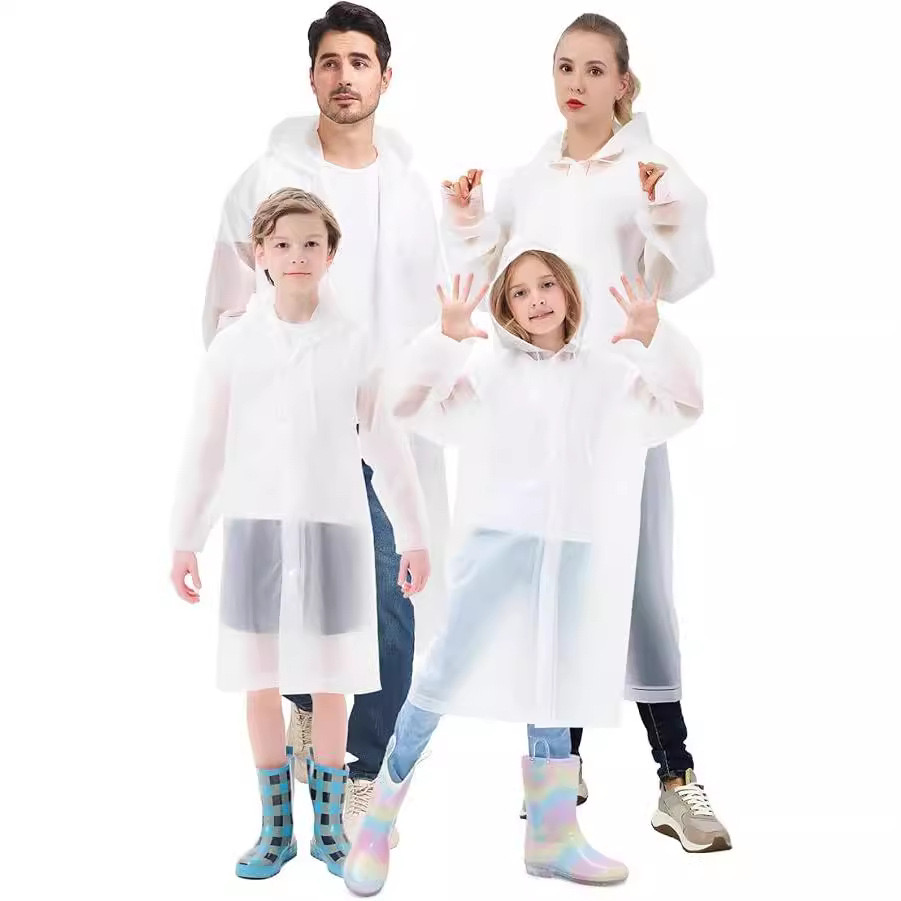
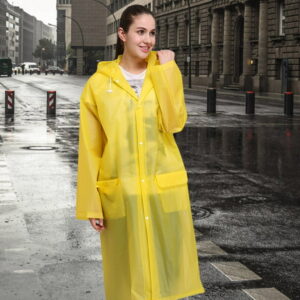
Ponchos are a lightweight and economical alternative to hiking rain jackets. They are easy to put on and provide ample coverage over backpacks, making them suitable for casual outings and festivals. However, their performance in severe weather conditions can be lacking, as they tend to flap in the wind and offer less breathability. Additionally, ponchos may not provide a snug fit, which can lead to water seeping in from the sides during heavy rains.
How Does a Waterproof Shell Jacket Compare?
Waterproof shell jackets provide superior waterproofing and are designed for extreme conditions, making them a favorite among mountaineers and serious hikers. These jackets often feature advanced materials that enhance breathability, allowing moisture from sweat to escape while keeping rain out. However, they can be costly and may require layering with insulation for colder climates. Maintenance is also more involved, as some waterproofing treatments need to be reapplied after several washes.
What Are the Benefits of a Softshell Jacket?
Softshell jackets blend comfort and weather resistance, making them ideal for activities that require flexibility, such as climbing or hiking in mild conditions. They offer good protection against wind and light rain while allowing for greater mobility compared to traditional rain jackets. However, softshells are generally not fully waterproof, and their effectiveness can diminish in heavy downpours. They are also moderately priced and require regular maintenance to preserve their water-resistant qualities.
How Can B2B Buyers Choose the Right Solution?
When selecting the ideal outdoor protection solution, B2B buyers should consider their specific use cases, environmental conditions, and budget constraints. For high-intensity activities in unpredictable weather, a hiking rain jacket or waterproof shell may be the best choice. Conversely, for casual use or warmer conditions, a poncho or softshell jacket might suffice. Understanding the unique attributes of each option will enable buyers to make informed decisions that align with their operational needs and outdoor activities.
Essential Technical Properties and Trade Terminology for hiking rain jacket
What Are the Key Technical Properties of Hiking Rain Jackets?
Understanding the technical properties of hiking rain jackets is essential for B2B buyers seeking quality outdoor apparel. Here are some critical specifications to consider:
-
Material Grade
The material grade often refers to the fabric’s denier (D), which measures the thickness and durability of the fibers. Common grades for hiking rain jackets range from 20D for ultralight jackets to 70D or higher for more durable options. A higher denier typically indicates better durability and resistance to abrasions, which is crucial for outdoor use where gear may encounter rough conditions. -
Waterproof Rating (mm)
This rating indicates how much water pressure a fabric can withstand before leaking, measured in millimeters (mm). A rating of 5,000 mm is adequate for light rain, while 20,000 mm or more is necessary for heavy downpours. For B2B buyers, understanding this rating helps in selecting jackets that meet specific market needs, especially in regions prone to heavy rainfall. -
Breathability (g/m²/24h)
Breathability measures how much moisture vapor can escape from the inside of the jacket, usually expressed in grams per square meter per 24 hours (g/m²/24h). A higher breathability rating ensures comfort during physical activity by preventing excessive sweating. This is particularly important for B2B buyers focusing on active outdoor markets, where comfort directly impacts consumer satisfaction. -
Seam Construction
Seam construction plays a vital role in the overall waterproofness and durability of a rain jacket. Fully taped seams offer the highest level of waterproofing, while critically taped seams provide a balance of performance and cost. B2B buyers should evaluate seam construction as it affects both the performance and price point of the jackets, influencing market competitiveness. -
Weight and Packability
The weight of a rain jacket is crucial for outdoor enthusiasts who prioritize lightweight gear. Packability refers to how small the jacket can be compressed for easy transport. Lightweight jackets typically weigh between 8 to 14 ounces, making them ideal for hikers and backpackers. Understanding these specifications can help B2B buyers cater to markets that value portability and convenience.
What Are Common Trade Terms in the Hiking Rain Jacket Industry?
Familiarity with industry jargon is essential for effective communication and negotiation. Here are several common trade terms relevant to hiking rain jackets:
-
OEM (Original Equipment Manufacturer)
OEM refers to companies that manufacture products based on specifications provided by another company. In the hiking jacket industry, OEMs play a crucial role in producing high-quality jackets that meet brand standards. B2B buyers should consider working with reputable OEMs to ensure product quality and consistency. -
MOQ (Minimum Order Quantity)
MOQ is the minimum quantity of products a supplier is willing to sell in a single order. Understanding MOQ is vital for B2B buyers as it impacts inventory management and cash flow. Buyers should negotiate MOQs that align with their sales forecasts to avoid excess inventory or stockouts. -
RFQ (Request for Quotation)
An RFQ is a document used to solicit price quotes from suppliers for specific products. B2B buyers should prepare detailed RFQs that outline product specifications, quantities, and delivery timelines to ensure accurate and competitive pricing from potential suppliers. -
Incoterms
Incoterms are internationally recognized rules that define the responsibilities of buyers and sellers regarding shipping costs, insurance, and risk transfer. Understanding these terms is essential for B2B transactions, as they clarify logistical responsibilities and help avoid disputes. -
Lead Time
Lead time refers to the period between placing an order and receiving the goods. In the hiking rain jacket industry, lead times can vary significantly based on production capacity and shipping logistics. B2B buyers should account for lead times in their planning to ensure timely product availability for their customers.
By grasping these essential technical properties and trade terminology, B2B buyers can make informed decisions when sourcing hiking rain jackets, ultimately enhancing their product offerings and market competitiveness.
Navigating Market Dynamics and Sourcing Trends in the hiking rain jacket Sector
What Are the Key Drivers of the Hiking Rain Jacket Market?
The hiking rain jacket market is experiencing significant growth driven by several global factors. Increasing outdoor activities, particularly in regions like Africa, South America, the Middle East, and Europe, have heightened demand for high-quality, durable outerwear. The rise of eco-tourism and an expanding middle class in emerging markets are also contributing to this growth. Additionally, the ongoing shift towards sustainable and functional outdoor gear is reshaping consumer preferences, with an emphasis on lightweight, packable designs that do not compromise on performance.
Emerging technologies in manufacturing, such as advanced fabric technologies and smart textiles, are enhancing product offerings. Fabrics that offer improved breathability and waterproofing are gaining traction, alongside innovations in sustainable materials. For international B2B buyers, this translates to an opportunity to source cutting-edge products that meet the evolving demands of the market. Notably, manufacturers are increasingly adopting direct-to-consumer (DTC) models, which can streamline supply chains and reduce costs, making it easier for B2B buyers to access premium products without the traditional markup.
How Important Is Sustainability and Ethical Sourcing in the Hiking Rain Jacket Sector?
Sustainability and ethical sourcing have become central to the hiking rain jacket market. Environmental concerns regarding the production and disposal of outdoor gear are prompting brands to adopt more eco-friendly practices. This includes using recycled materials, such as recycled polyester and organic cotton, which significantly reduce the environmental footprint of manufacturing processes.
B2B buyers are increasingly prioritizing suppliers that demonstrate a commitment to sustainability. Certifications such as Global Recycle Standard (GRS) and OEKO-TEX® Standard 100 are becoming essential for brands looking to reassure consumers about the ethical implications of their purchases. Furthermore, transparency in the supply chain is critical; buyers must ensure that their suppliers adhere to fair labor practices, minimizing the risk of reputational damage associated with unethical sourcing.
Investing in sustainable products not only meets consumer demand but also aligns with global initiatives aimed at reducing carbon footprints. Thus, international buyers should actively seek partnerships with brands that prioritize sustainability, as this trend is likely to shape the future of the hiking rain jacket market.
What Is the Historical Evolution of Hiking Rain Jackets?
The evolution of hiking rain jackets can be traced back to the mid-20th century when outdoor enthusiasts began demanding gear that could withstand harsh weather conditions. Initially, jackets were made from heavy, less breathable materials, which limited comfort and mobility. The introduction of synthetic fabrics in the 1970s revolutionized the market, allowing for lighter, more versatile options that provided better waterproofing and breathability.
Over the years, technological advancements have further transformed the sector. The development of GORE-TEX® in the 1980s marked a significant milestone, as it offered both waterproofing and breathability, setting a new standard for outdoor apparel. Today, the focus has shifted towards not only performance but also sustainability, leading to a new generation of hiking rain jackets that combine cutting-edge technology with eco-friendly materials.
As B2B buyers navigate the current market, understanding this evolution is crucial. It provides insights into consumer expectations and informs sourcing strategies that prioritize both innovation and sustainability.
Frequently Asked Questions (FAQs) for B2B Buyers of hiking rain jacket
-
How do I choose the right hiking rain jacket for my business needs?
Choosing the right hiking rain jacket for your business involves assessing your target market and their specific requirements. Consider factors such as climate, intended use (e.g., casual hiking, extreme conditions), and demographic preferences. Evaluate materials for durability and breathability, and check for features like waterproofing, weight, and packability. It’s also essential to factor in customization options that may appeal to your clientele, such as color schemes or branding opportunities. Finally, consult with suppliers who can provide samples to ensure the product meets your quality standards. -
What are the best hiking rain jackets for different climates?
The best hiking rain jackets vary by climate. For tropical regions, lightweight and breathable jackets like the Montbell Versalite are ideal, as they provide comfort in humid conditions. In contrast, areas with heavy rainfall may require robust options like the Arc’teryx Beta SL, which offers maximum waterproofing. For temperate climates, versatile models like the Patagonia Torrentshell 3L can be suitable, combining durability and comfort. Researching your market’s climate conditions will guide your selection of suitable products for your customers. -
What is the minimum order quantity (MOQ) for hiking rain jackets?
Minimum order quantities (MOQ) for hiking rain jackets can vary significantly between suppliers and manufacturers. Typically, MOQs can range from as low as 50 to over 1,000 units, depending on the complexity of the product and the materials used. Larger brands may offer lower MOQs for established relationships, while new suppliers might require higher quantities. It’s advisable to discuss your specific needs with potential suppliers and negotiate MOQs that align with your business strategy. -
How can I ensure the quality of hiking rain jackets from suppliers?
To ensure quality when sourcing hiking rain jackets, start by vetting suppliers based on their reputation, certifications, and manufacturing processes. Request samples to assess fabric quality, stitching, and overall craftsmanship. Additionally, establish a quality assurance (QA) process that includes inspections during production and before shipment. It may also be beneficial to include performance testing for waterproofing and breathability. Consider partnering with suppliers who have a transparent quality control system and are open to regular audits. -
What customization options are available for hiking rain jackets?
Customization options for hiking rain jackets often include color choices, logo placements, and specific design features tailored to your brand. Some manufacturers may also offer options for different materials or additional features, such as pockets, ventilation zippers, or insulation. When discussing customization, clarify your requirements with suppliers and inquire about the cost implications and lead times for producing customized jackets. Providing unique options can enhance your product offering and appeal to diverse market segments. -
What payment terms are standard for international orders of hiking rain jackets?
Payment terms for international orders of hiking rain jackets typically vary by supplier, but common practices include upfront deposits (often 30-50%) with the balance paid before shipment. Some suppliers may also offer payment through letters of credit or escrow services for larger orders, providing added security. It’s essential to negotiate clear terms that protect both parties, considering currency fluctuations and potential import duties. Always review the supplier’s payment policies and ensure they align with your cash flow management. -
How do logistics and shipping work for hiking rain jackets sourced internationally?
Logistics for international sourcing of hiking rain jackets involve several steps, including selecting a shipping method (air freight for speed, sea freight for cost-effectiveness) and arranging customs clearance. Coordinate with suppliers to ensure they provide necessary documentation, such as invoices and certificates of origin. Additionally, consider partnering with a logistics company experienced in international shipping to navigate customs regulations and mitigate delays. Understanding local regulations in your target market is also crucial for smooth import processes. -
What are the current trends in hiking rain jackets that I should be aware of?
Current trends in hiking rain jackets include a strong emphasis on sustainability, with many brands adopting eco-friendly materials and manufacturing processes. Lightweight and packable designs are increasingly popular, catering to the needs of modern hikers who prioritize mobility. Additionally, jackets featuring multi-functional capabilities, such as versatility for both hiking and urban use, are gaining traction. Keeping abreast of these trends will help you align your product offerings with consumer preferences and position your business competitively in the market.
Important Disclaimer & Terms of Use
⚠️ Important Disclaimer
The information provided in this guide, including content regarding manufacturers, technical specifications, and market analysis, is for informational and educational purposes only. It does not constitute professional procurement advice, financial advice, or legal advice.
While we have made every effort to ensure the accuracy and timeliness of the information, we are not responsible for any errors, omissions, or outdated information. Market conditions, company details, and technical standards are subject to change.
B2B buyers must conduct their own independent and thorough due diligence before making any purchasing decisions. This includes contacting suppliers directly, verifying certifications, requesting samples, and seeking professional consultation. The risk of relying on any information in this guide is borne solely by the reader.
Top 7 Hiking Rain Jacket Manufacturers & Suppliers List
1. Outdoor Research – Men’s Rain Jackets
Domain: outdoorresearch.com
Registered: 1999 (26 years)
Introduction: Men’s Rain Jackets | Waterproof, Breathable, & Durable
2. Black Diamond – Fineline Stretch Shell & Pants
Domain: thebigoutside.com
Registered: 2010 (15 years)
Introduction: Black Diamond Fineline Stretch Shell: $189, 10 oz./283.5g (men’s medium), Sizes: men’s XS-3XL, women’s 2XS-2XL. Black Diamond Fineline Stretch Full-Zip Pants: $179, 9 oz./255.1g (men’s small), Sizes: men’s XS-XL, women’s 2XS-XL.
3. Durston – Performance Rain Jacket
Domain: reddit.com
Registered: 2005 (20 years)
Introduction: Recommendations for rain jackets include: 1. Durston jacket – noted for its performance in tough weather. 2. Marmot Minimalist – priced around $275, but may wet out in an hour or two. 3. Patagonia Torrentshell 3L – solid resistance quality with a good balance of breathability and insulation. 4. Arcteryx – considered the best for high-end rain gear. 5. Other brands mentioned include higher-end Pata…
4. Helly Hansen – Men’s Rain Jackets
Domain: hellyhansen.com
Registered: 1997 (28 years)
Introduction: This company, Helly Hansen – Men’s Rain Jackets, is a notable entity in the market. For specific product details, it is recommended to visit their website directly.
5. REI – Waterproof Hiking Jackets
Domain: rei.com
Registered: 1996 (29 years)
Introduction: This company, REI – Waterproof Hiking Jackets, is a notable entity in the market. For specific product details, it is recommended to visit their website directly.
6. Patagonia – Torrentshell 3L Rain Jacket
Domain: switchbacktravel.com
Registered: 2011 (14 years)
Introduction: Best Overall Rain Jacket: Patagonia Torrentshell 3L ($179) – Category: Daily use/hiking – Weight: 14.1 oz. – Waterproofing: 3L H2No Performance Standard – What we like: 3-layer performance, quality materials, and good looks at an excellent price. – What we don’t: A bit crinkly and stiff; no chest pocket. – Features: Hardshell-like 3-layer construction, soft-touch tricot lining, thick-toothed main …
7. Frogg Toggs – Men’s Ultra-Lite Waterproof Rain Jacket
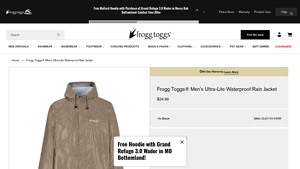
Domain: froggtoggs.com
Registered: 1997 (28 years)
Introduction: Frogg Toggs® Men’s Ultra-Lite Waterproof Rain Jacket
– Regular price: $24.99
– SKU: UL62104-04SM
– Color: Khaki
– Sizes available: SM, MD, LG, XL, 2XL (some sizes sold out)
– Features:
– Made with breathable, non-woven fabric
– Waterproof and wind-resistant
– Lightweight and packable
– Adjustable hood with cord locks
– Full-length front zipper with storm flap
– Elastic cuffs
– Inclu…
Strategic Sourcing Conclusion and Outlook for hiking rain jacket
What Are the Key Takeaways for Strategic Sourcing of Hiking Rain Jackets?
In today’s competitive outdoor apparel market, strategic sourcing of hiking rain jackets is essential for maximizing value and ensuring product quality. International B2B buyers should prioritize durability, breathability, and waterproofing when selecting jackets for their customer base. Sourcing from reputable brands like Patagonia and Arc’teryx not only guarantees high-quality products but also aligns with growing consumer preferences for sustainability and ethical manufacturing practices.
Understanding regional weather patterns and specific customer needs can further refine sourcing strategies. For example, jackets designed for humid climates may differ significantly from those intended for colder regions. Buyers should also consider factors such as price points and performance ratings, which can influence purchasing decisions in diverse markets across Africa, South America, the Middle East, and Europe.
How Can You Stay Ahead in the Market?
As the demand for outdoor gear continues to rise, embracing innovative materials and sustainable practices will be crucial. By strategically sourcing hiking rain jackets that meet these evolving standards, businesses can not only enhance their product offerings but also build brand loyalty. We encourage international buyers to engage with suppliers who prioritize innovation and sustainability, ensuring they remain competitive in a dynamic marketplace. Take the next step in your sourcing strategy and capitalize on the opportunities within the hiking apparel sector.


 Vietnamese
  English
  Russian
  Spanish
  Arabic
  Portuguese
  German
  Korean
  Japanese