
Introduction: Navigating the Global Market for fishing rain jacket
In today’s dynamic global market, sourcing high-quality fishing rain jackets presents a unique set of challenges for international B2B buyers. As the demand for durable and functional outerwear grows, companies face the task of finding suppliers that not only meet stringent quality standards but also offer competitive pricing. This guide is designed to navigate the complexities of acquiring fishing rain jackets, providing insights into various types, applications, and market trends that cater to the diverse needs of buyers from regions such as Africa, South America, the Middle East, and Europe, including countries like Vietnam and Germany.
This comprehensive resource delves into the essential aspects of fishing rain jackets, including material specifications, waterproof ratings, and insulation options, which are critical for different fishing environments. It outlines key considerations for supplier vetting, ensuring that buyers can confidently assess potential partners based on their reliability, production capabilities, and ethical practices. Furthermore, the guide addresses cost factors and pricing strategies, enabling buyers to make informed decisions that align with their budgetary constraints.
By equipping B2B buyers with the necessary knowledge and tools, this guide empowers companies to streamline their procurement processes and ultimately enhance their product offerings. Whether you’re looking to outfit a fleet of fishing vessels or supply a retail store, understanding the global landscape of fishing rain jackets will be pivotal in achieving your business goals.
Understanding fishing rain jacket Types and Variations
| Typ Name | Wichtigste Unterscheidungsmerkmale | Primäre B2B-Anwendungen | Kurze Vor- und Nachteile für Käufer |
|---|---|---|---|
| Lightweight Shell Jackets | Water-resistant, breathable, packable | Recreational fishing, day trips | Vorteile: Leicht zu tragen, schnell trocknend. Nachteile: Limited insulation for colder climates. |
| Isolierte Regenjacken | Added thermal insulation, water-resistant | Cold weather fishing, offshore trips | Vorteile: Warmth in cold conditions. Nachteile: Bulkier and heavier than non-insulated options. |
| GORE-TEX® Jackets | High waterproof rating, durable fabric | Professional fishing, extreme weather | Vorteile: Superior protection, breathable. Nachteile: Höherer Preispunkt. |
| Bib & Jacket Combinations | Integrated pants and jacket for full coverage | Commercial fishing, long expeditions | Vorteile: Umfassender Schutz, vielseitig. Nachteile: Kann umständlich sein. |
| High-Visibility Jackets | Bright colors, reflective materials | Safety in low visibility conditions | Vorteile: Enhanced visibility for safety. Nachteile: May not be suitable for all fishing environments. |
What Are the Characteristics of Lightweight Shell Jackets?
Lightweight shell jackets are designed for anglers who prioritize mobility and ease of transport. These jackets typically feature water-resistant materials that allow for breathability, making them ideal for warmer weather or short fishing trips. B2B buyers should consider these jackets for recreational fishing or day trips where quick-drying capabilities are essential. However, these jackets may lack insulation, making them less suitable for colder climates.
How Do Insulated Rain Jackets Enhance Fishing Experiences?
Insulated rain jackets are specifically crafted to provide warmth during cold fishing conditions. These jackets combine water-resistant exteriors with thermal insulation, ensuring comfort during extended outings in chilly environments. B2B buyers looking for jackets for cold weather fishing or offshore trips will find these jackets advantageous. The trade-off is that these jackets can be bulkier than their lightweight counterparts, which may impact mobility.
Why Choose GORE-TEX® Jackets for Professional Fishing?
GORE-TEX® jackets stand out in the market due to their exceptional waterproof ratings and durability. These jackets are engineered to withstand extreme weather conditions, making them suitable for professional fishermen and those engaged in challenging environments. B2B buyers will appreciate the long-term investment and performance reliability, although they should be prepared for a higher price point compared to standard options.
What Are the Benefits of Bib & Jacket Combinations?
Bib and jacket combinations offer a comprehensive solution for full-body protection against the elements. This type of fishing gear is particularly useful in commercial fishing settings or long expeditions where complete coverage is paramount. B2B buyers should consider the versatility and protective qualities of these combinations, although they can be cumbersome and may limit mobility compared to separate pieces.
How Do High-Visibility Jackets Enhance Safety on the Water?
High-visibility jackets are designed with bright colors and reflective materials to ensure safety in low-light or adverse weather conditions. These jackets are particularly useful for anglers fishing in busy or hazardous areas. B2B buyers focusing on safety standards in their operations will find these jackets beneficial, although they may not be suitable for all fishing environments where stealth is required.
Key Industrial Applications of fishing rain jacket
| Industrie/Sektor | Specific Application of fishing rain jacket | Wert/Nutzen für das Unternehmen | Wichtige Überlegungen zur Beschaffung für diese Anwendung |
|---|---|---|---|
| Kommerzielle Fischerei | Used by deckhands and crew on fishing vessels | Protects workers from harsh weather, ensuring safety and comfort | Durability, waterproof rating, and ease of movement are critical |
| Aquakultur | Employed by workers in fish farms and hatcheries | Enhances worker efficiency and reduces downtime due to weather | Breathability, lightweight materials, and resistance to chemicals |
| Erholung im Freien | Utilized by guides and tour operators in fishing excursions | Improves customer satisfaction and safety during trips | Style, comfort, and brand reputation can influence purchasing decisions |
| Meeresforschung | Worn by researchers during field studies in coastal areas | Ensures protection from elements while collecting data | Functionality, fit, and compatibility with other gear are essential |
| Retail and Distribution | Used for promotional events and staff uniforms | Enhances brand visibility and team professionalism | Color options, custom branding capabilities, and bulk pricing |
How is the Fishing Rain Jacket Used in Commercial Fishing and What Problems Does it Solve?
In the commercial fishing industry, fishing rain jackets are essential gear for deckhands and crew members who work in challenging marine environments. These jackets provide robust protection against rain, wind, and spray, ensuring that workers remain dry and comfortable throughout their shifts. By minimizing exposure to harsh weather conditions, businesses can reduce the risk of accidents and improve overall worker morale and productivity. For international buyers, sourcing jackets that meet specific waterproof ratings and durability standards is crucial, particularly in regions with extreme weather patterns.
What Role Does the Fishing Rain Jacket Play in Aquaculture?
In aquaculture settings, fishing rain jackets are worn by employees managing fish farms and hatcheries. The jackets not only protect workers from wet conditions but also enhance their efficiency by allowing them to focus on tasks without the distraction of discomfort due to weather. The lightweight and breathable materials used in these jackets help maintain body temperature, which is vital when working in varying climates. Buyers from Africa and South America should consider sourcing jackets that are resistant to chemicals used in fish farming to ensure longevity and safety.
How is the Fishing Rain Jacket Beneficial for Outdoor Recreation?
Fishing rain jackets are increasingly popular among outdoor recreation providers, such as fishing guides and tour operators. These jackets enhance customer experience by keeping participants dry and comfortable during excursions, which is critical for repeat business and positive reviews. For B2B buyers in Europe and the Middle East, the aesthetic appeal and brand reputation of the jackets can influence purchasing decisions, making it essential to choose styles that reflect the company’s image while also providing functional benefits.
Why are Fishing Rain Jackets Important for Marine Research?
Marine researchers often work in unpredictable weather conditions while conducting field studies along coastlines. Fishing rain jackets provide necessary protection from the elements, allowing researchers to focus on data collection and analysis without the hindrance of wet clothing. For international buyers, factors such as functionality, fit, and compatibility with other research gear must be prioritized when sourcing these jackets, ensuring they meet the rigorous demands of fieldwork.
How Do Fishing Rain Jackets Enhance Retail and Distribution Operations?
In the retail and distribution sector, fishing rain jackets serve as promotional items and staff uniforms during events. They not only provide practical benefits to employees working outdoors but also enhance brand visibility through custom branding options. For businesses looking to source these jackets, considerations like color variety, customization capabilities, and competitive pricing are vital to ensure alignment with marketing strategies and budget constraints.
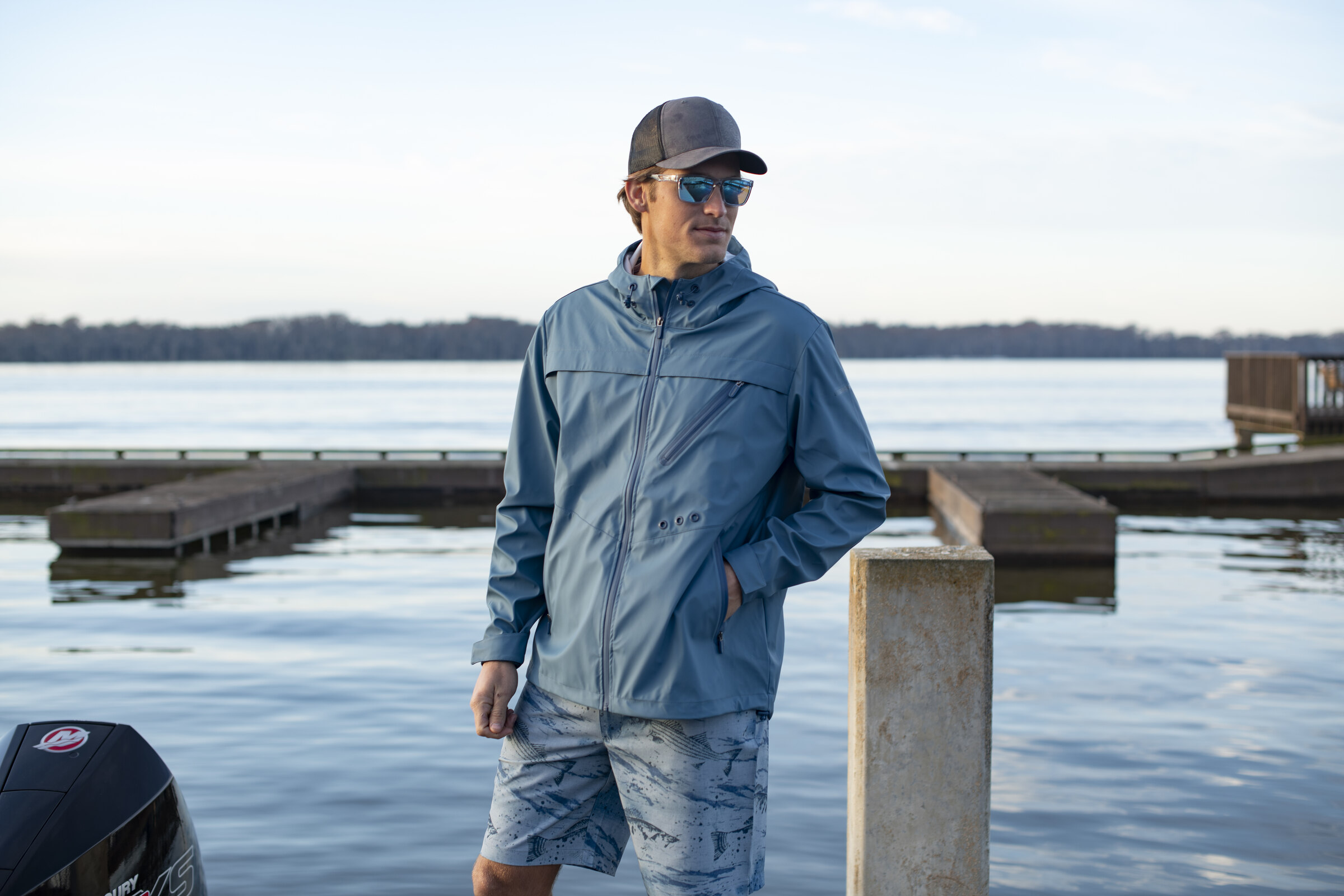
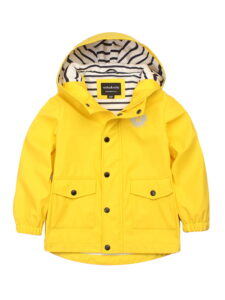
A stock image related to fishing rain jacket.
3 Common User Pain Points for ‘fishing rain jacket’ & Their Solutions
Scenario 1: Sourcing Durable Rain Jackets for Harsh Environments
Das Problem: B2B buyers often struggle to find fishing rain jackets that can withstand extreme weather conditions, particularly in regions prone to heavy rains and strong winds. For example, suppliers in South America might face challenges when sourcing jackets that are not only waterproof but also resistant to saltwater corrosion, essential for saltwater fishing. This can lead to dissatisfaction from end-users who expect high performance from their gear, resulting in increased returns and damaged relationships with customers.
Die Lösung: To address this issue, buyers should focus on sourcing jackets made from high-quality materials such as GORE-TEX or other advanced waterproof fabrics that provide both breathability and durability. When evaluating potential suppliers, it is crucial to request detailed product specifications and performance testing results, ensuring that the jackets can endure specific environmental conditions. Additionally, consider partnering with manufacturers who offer customization options, allowing you to tailor jackets to the unique needs of your target market, such as incorporating features like reinforced seams and adjustable cuffs for better protection against the elements.
Scenario 2: Balancing Cost and Quality in Bulk Orders
Das Problem: Many B2B buyers face the challenge of balancing cost-effectiveness with quality when ordering fishing rain jackets in bulk. In regions like Africa and the Middle East, where budget constraints are prevalent, buyers may opt for cheaper options that compromise on quality. This can lead to increased wear and tear, ultimately resulting in higher replacement costs and diminished customer satisfaction.
Die Lösung: To mitigate this issue, buyers should conduct thorough market research to identify reliable suppliers that provide quality jackets at competitive prices. It’s advisable to request samples for testing before placing a bulk order to evaluate the durability and functionality of the jackets. Engaging in long-term partnerships with manufacturers can also be beneficial, as it often leads to better pricing and consistent quality. Additionally, consider negotiating bulk discounts based on order volume or frequency, which can help reduce costs while maintaining quality standards.
Scenario 3: Ensuring Proper Fit and Functionality for Diverse Markets
Das Problem: Sizing and functionality can be a significant pain point for B2B buyers, particularly when dealing with diverse markets. For example, a buyer in Europe may find that the sizing standards differ from those in Africa or South America, leading to mismatched expectations and returns. Furthermore, certain regions may require specific features, such as UV protection or insulation, which not all jackets provide.
Die Lösung: To ensure a proper fit and functionality, buyers should conduct a needs assessment based on the specific demographics and environmental conditions of their target market. This can involve gathering feedback from end-users about their preferences and requirements. When sourcing jackets, it is essential to collaborate with manufacturers who offer a wide range of sizes and customizable features, ensuring that the products cater to various body types and climate needs. Additionally, providing clear sizing charts and product descriptions on your sales platforms can help minimize returns and enhance customer satisfaction.
Strategic Material Selection Guide for fishing rain jacket
What Are the Key Materials Used in Fishing Rain Jackets?
When selecting materials for fishing rain jackets, several factors must be considered, including performance properties, durability, cost, and compliance with international standards. Below is an analysis of four common materials used in the manufacturing of fishing rain jackets, providing insights for B2B buyers in various global markets.
How Does Nylon Perform in Fishing Rain Jackets?
Nylon is a synthetic polymer known for its strength and lightweight properties. It offers excellent abrasion resistance and is often treated with water-repellent finishes, making it suitable for fishing environments.
Vorteile: Nylon is durable and resistant to tearing, which is essential for the rigors of fishing. It is relatively lightweight, enhancing comfort during long hours on the water. The cost of nylon is generally moderate, making it an attractive option for manufacturers.
Nachteile: While nylon is water-resistant, it is not inherently waterproof unless treated. It can also degrade under prolonged exposure to UV light, which may be a concern in sunny regions.
Auswirkungen auf die Anwendung: Nylon’s compatibility with various water conditions makes it suitable for both freshwater and saltwater fishing. However, buyers should consider the need for additional waterproofing treatments.
Überlegungen für internationale Käufer: Compliance with standards such as ASTM for textile performance is crucial. Buyers in regions like Europe may also prefer eco-friendly nylon options due to increasing environmental regulations.
What Advantages Does Polyester Offer for Fishing Rain Jackets?
Polyester is another popular synthetic material used in fishing rain jackets. It is known for its moisture-wicking properties and quick-drying capabilities.
Vorteile: Polyester is resistant to shrinking and stretching, maintaining its shape after repeated use. It is also less expensive than nylon, making it a cost-effective choice for bulk orders.
Nachteile: While it offers good water resistance, polyester may not perform as well as nylon in extreme conditions. It can also feel less breathable, which may be uncomfortable in warmer climates.
Auswirkungen auf die Anwendung: Polyester is suitable for fishing jackets designed for moderate weather conditions. Its moisture-wicking properties help keep anglers dry from sweat, but it may not be ideal for heavy rain.
Überlegungen für internationale Käufer: Buyers should ensure that the polyester used meets international standards, such as DIN or JIS, particularly for UV resistance and water repellency.
How Does GORE-TEX® Enhance Fishing Rain Jacket Performance?
GORE-TEX® is a well-known brand for waterproof and breathable fabrics, often used in high-performance outdoor gear, including fishing jackets.
Vorteile: GORE-TEX® provides superior waterproofing while allowing moisture to escape, making it ideal for various weather conditions. Its durability and long lifespan justify the higher cost.
Nachteile: The cost of GORE-TEX® is significantly higher than other materials, which may not be feasible for all manufacturers. Additionally, the manufacturing process can be complex, requiring specialized techniques.
Auswirkungen auf die Anwendung: GORE-TEX® is highly effective in extreme weather, providing excellent protection against rain and wind. It is particularly suitable for saltwater fishing, where exposure to harsh conditions is common.
Überlegungen für internationale Käufer: Compliance with GORE-TEX® standards is essential, and buyers should be aware of the certification processes involved. Markets in Europe and North America often prioritize GORE-TEX® for its proven performance.
What Role Does PVC Play in Fishing Rain Jackets?
PVC (Polyvinyl Chloride) is a synthetic plastic polymer that is often used in waterproof clothing, including fishing rain jackets.
Vorteile: PVC is completely waterproof and provides excellent protection against the elements. It is also relatively inexpensive, making it a budget-friendly option for manufacturers.
Nachteile: PVC lacks breathability, which can lead to discomfort during prolonged wear. It can also become stiff in cold temperatures, limiting mobility.
Auswirkungen auf die Anwendung: PVC is best suited for environments where waterproofing is paramount, but it may not be ideal for warmer climates or situations requiring high mobility.
Überlegungen für internationale Käufer: Buyers should check for compliance with safety and environmental regulations, as PVC can be subject to restrictions in certain regions due to its environmental impact.
Summary Table of Material Properties for Fishing Rain Jackets
| Material | Typical Use Case for fishing rain jacket | Hauptvorteil | Wesentlicher Nachteil/Beschränkung | Relative Kosten (niedrig/mittel/hoch) |
|---|---|---|---|---|
| Nylon | General fishing applications | Langlebig und leicht | Not inherently waterproof | Mittel |
| Polyester | Moderate weather conditions | Cost-effective and shape-retaining | Less effective in heavy rain | Niedrig |
| GORE-TEX® | Extreme Wetterbedingungen | Hervorragende Wasserdichtigkeit und Atmungsaktivität | Hohe Kosten und komplexe Herstellung | Hoch |
| PVC | Environments requiring complete waterproofing | Vollständig wasserdicht | Lacks breathability and flexibility | Niedrig |
This strategic material selection guide provides valuable insights for international B2B buyers, enabling informed decisions when sourcing fishing rain jackets tailored to specific market needs.
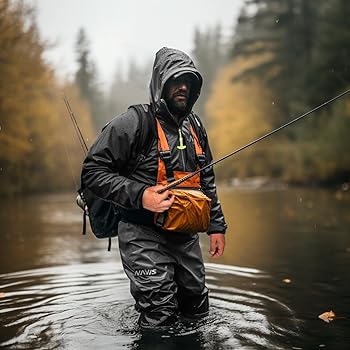
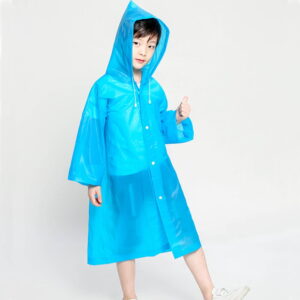
A stock image related to fishing rain jacket.
In-depth Look: Manufacturing Processes and Quality Assurance for fishing rain jacket
What Are the Main Stages of Manufacturing Fishing Rain Jackets?
The manufacturing process for fishing rain jackets involves several critical stages, each aimed at ensuring the durability and functionality required for the harsh conditions faced by anglers.
Vorbereitung des Materials
The first step in manufacturing fishing rain jackets is material preparation. High-performance fabrics such as GORE-TEX, nylon, or polyester are commonly used due to their waterproof and breathable qualities. These materials undergo rigorous testing to determine their resistance to water penetration, abrasion, and UV exposure. Suppliers often provide certification for these materials, which can be verified by B2B buyers to ensure compliance with quality standards.
Forming the Jacket Components
Once the materials are prepared, the next stage is forming the jacket components. This typically involves cutting the fabric into specific patterns that will form the jacket’s body, sleeves, and other features such as hoods or pockets. Advanced cutting techniques, including laser cutting, are often employed for precision and to minimize fabric wastage. Techniques like seam sealing and waterproofing treatments are applied to ensure that every component can withstand exposure to water.
Assembly of the Jacket
After the components are formed, the assembly process begins. This involves stitching the pieces together, often using specialized machines that can handle the heavy-duty threads required for outdoor gear. Reinforcement techniques, such as double stitching or the use of bar tacks, are common in high-stress areas like shoulders and seams. Assembly lines may also incorporate automation for consistent quality, but skilled labor remains essential for ensuring attention to detail.
Der letzte Schliff
The final stage is finishing, where the jackets undergo processes like quality inspection, final stitching, and the application of any additional features, such as zippers, buttons, or reflective strips. This stage also includes packaging, where jackets are folded and packed in a way that maintains their shape and quality. Some manufacturers also add a waterproof coating at this stage to enhance durability.
How Is Quality Assurance Implemented in Fishing Rain Jacket Production?
Quality assurance (QA) is a vital aspect of the manufacturing process for fishing rain jackets, ensuring that the final products meet both customer expectations and regulatory standards.
What International Standards Are Relevant for Fishing Rain Jackets?
For B2B buyers, understanding the relevant international standards is crucial. ISO 9001 is a widely recognized standard that outlines the criteria for a quality management system (QMS). Compliance with this standard demonstrates a manufacturer’s commitment to quality and continuous improvement. Additionally, industry-specific certifications such as CE marking in Europe or API standards for oil and gas industries may be relevant depending on the intended use of the jackets.
Was sind die wichtigsten Punkte der Qualitätskontrolle?
Quality control checkpoints are integrated throughout the manufacturing process to catch defects early. The primary checkpoints include:
-
Eingehende Qualitätskontrolle (IQC): At this stage, raw materials are inspected for quality and compliance with specifications before production begins. This ensures that only high-quality materials are used.
-
Prozessbegleitende Qualitätskontrolle (IPQC): During assembly, periodic inspections are conducted to monitor the production process. This helps identify issues in real-time, allowing for immediate corrective actions.
-
Endgültige Qualitätskontrolle (FQC): After assembly, a thorough inspection is conducted on the finished jackets. This includes testing for waterproofness, breathability, and overall construction quality. Common methods include water penetration tests and seam strength tests.
What Testing Methods Are Commonly Used for Fishing Rain Jackets?
Various testing methods are employed to ensure that fishing rain jackets meet performance standards. These include:
-
Wasserdichtigkeitsprüfung: Often conducted using a hydrostatic head test, this method measures the amount of water pressure the fabric can withstand before leaking.
-
Prüfung der Atmungsaktivität: This is typically assessed using a moisture vapor transmission rate (MVTR) test, determining how well the fabric allows moisture to escape while keeping water out.
-
Dauerhaftigkeitsprüfung: Abrasion resistance tests are conducted to evaluate how well the fabric withstands wear and tear over time, which is crucial for outdoor gear.
Wie können B2B-Einkäufer die Qualitätskontrollpraktiken der Lieferanten überprüfen?
B2B-Einkäufer müssen proaktiv Maßnahmen ergreifen, um die Qualitätskontrollpraktiken potenzieller Lieferanten zu überprüfen. Hier sind einige Strategien, die Sie berücksichtigen sollten:
-
Durchführung von Audits: Regular audits of suppliers can provide insight into their quality control processes. This can be done through on-site visits or third-party inspection services.
-
Qualitätsberichte anfordern: Suppliers should provide documentation of their quality control measures, including test results and compliance certifications. This information is essential for assessing their commitment to quality.
-
Beauftragen Sie Inspektoren von Drittanbietern: Utilizing independent inspectors can help ensure that manufacturing processes comply with international standards. These inspectors can conduct random checks and provide unbiased assessments.
Was sind die Feinheiten der Qualitätskontrolle für internationale B2B-Einkäufer?
International buyers, particularly from diverse regions such as Africa, South America, the Middle East, and Europe, face unique challenges in quality assurance. Key considerations include:
-
Einhaltung von Vorschriften: Different regions may have specific regulations regarding materials and manufacturing processes. Understanding these can help avoid compliance issues.
-
Kulturelle Unterschiede: Variations in manufacturing practices and quality expectations can exist between regions. Buyers should be aware of these differences to align their quality standards with those of their suppliers.
-
Logistics and Supply Chain: International shipping can introduce challenges such as delays and damage. Quality assurance practices should account for these factors, ensuring that products arrive in optimal condition.
By understanding the manufacturing processes and quality assurance measures involved in producing fishing rain jackets, B2B buyers can make informed decisions, ensuring they partner with suppliers who meet their quality and performance expectations. This knowledge not only enhances product quality but also builds long-term relationships with reliable manufacturers.
Practical Sourcing Guide: A Step-by-Step Checklist for ‘fishing rain jacket’
To assist B2B buyers in successfully sourcing fishing rain jackets, this guide provides a structured checklist aimed at ensuring that you make informed procurement decisions. By following these steps, you will be equipped to evaluate suppliers, assess product quality, and ensure that the fishing rain jackets meet your specific needs.
Schritt 1: Definieren Sie Ihre technischen Spezifikationen
Establishing clear technical specifications is crucial to ensure the fishing rain jackets meet your operational requirements. Consider factors such as waterproof ratings, breathability, insulation, and durability. Look for specific features like reinforced seams, adjustable hoods, and pockets that enhance functionality for your target market.
Schritt 2: Research Market Trends and Buyer Preferences
Understanding current market trends and buyer preferences can significantly impact your sourcing decisions. Analyze regional preferences for styles, materials, and colors in fishing rain jackets. This knowledge will help you align your product offerings with market demand, ensuring better sales performance.
Schritt 3: Potenzielle Lieferanten evaluieren
Before committing to any supplier, it’s essential to conduct a thorough evaluation. Request detailed company profiles, product catalogs, and references from other businesses in similar markets. Look for suppliers with proven track records, particularly in the regions you are targeting, as this can provide insights into their reliability and quality.
Schritt 4: Überprüfen von Zertifizierungen und Konformität
Ensure that your chosen suppliers comply with industry standards and certifications. Check for certifications related to waterproofing, material safety, and manufacturing practices. Compliance not only guarantees product quality but also protects your brand’s reputation in the marketplace.
Schritt 5: Muster für die Qualitätsbewertung anfordern
Always request samples before finalizing orders. Assess the quality of the fishing rain jackets firsthand, focusing on material feel, stitching quality, and overall construction. This step is vital to ensure that the products will meet the expectations of your customers and withstand the conditions they will face.
Schritt 6: Preise und Bedingungen verhandeln
Once you have identified potential suppliers and assessed their products, engage in pricing negotiations. Consider volume discounts, payment terms, and shipping costs. Establishing favorable terms can significantly impact your overall costs and profit margins, making this a critical step in the sourcing process.
Schritt 7: Plan für Logistik und Vertrieb
Finally, develop a logistics plan for how you will store, manage, and distribute the fishing rain jackets. Consider factors such as inventory management, shipping times, and local regulations in the regions where you will sell. A well-organized logistics strategy will ensure that you can meet customer demands efficiently and effectively.
By following this checklist, B2B buyers can streamline their sourcing process for fishing rain jackets, ensuring they select products that not only meet quality standards but also resonate with their target market.
Comprehensive Cost and Pricing Analysis for fishing rain jacket Sourcing
What Are the Key Cost Components in Fishing Rain Jacket Manufacturing?
When sourcing fishing rain jackets, understanding the cost structure is essential for B2B buyers. The main cost components include:
-
Materialien: The choice of materials significantly impacts the overall cost. High-quality waterproof fabrics, such as GORE-TEX or similar membranes, often command a premium price. Additionally, features like reinforced seams and specialized coatings for UV protection can increase material costs.
-
Arbeit: Labor costs vary by region and production facility. Countries with lower labor costs may offer more competitive pricing, but quality and expertise can differ. It’s crucial to evaluate the skill level of the workforce, especially for intricate designs.
-
Fertigungsgemeinkosten: This includes expenses related to the facility, utilities, and equipment maintenance. Efficient production processes can help minimize overhead costs, which can be a significant factor in the final pricing of jackets.
-
Werkzeugbau: Initial tooling costs for molds and patterns can be substantial, especially for custom designs. These costs are often amortized over large production runs, making it essential for buyers to consider minimum order quantities (MOQs) to spread these costs effectively.
-
Qualitätskontrolle (QC): Implementing stringent QC measures ensures that the jackets meet industry standards and customer expectations. While this adds to the cost, it can prevent costly returns and damage to brand reputation.
-
Logistik: Shipping costs, including freight and insurance, can vary based on the shipping method and distance. Buyers should also consider the implications of customs duties and tariffs, particularly when importing from regions with different trade agreements.
-
Marge: Suppliers typically apply a markup to cover their costs and profit. Understanding the expected margins in the fishing apparel industry can help buyers negotiate better terms.
How Do Pricing Influencers Affect Fishing Rain Jacket Costs?
Several factors can influence the pricing of fishing rain jackets, including:
-
Volumen und Mindestbestellmengen (MOQs): Suppliers often offer better pricing for larger orders. Buyers should assess their demand to negotiate favorable terms and avoid excess inventory.
-
Spezifikationen und Anpassungen: Custom designs or specific features can increase costs. Buyers should clearly define their requirements to avoid unexpected expenses.
-
Materials Quality and Certifications: Jackets made with certified materials (e.g., eco-friendly or high-performance fabrics) may be priced higher. Buyers should weigh the benefits of certification against budget constraints.
-
Lieferanten-Faktoren: The reputation and reliability of the supplier can influence pricing. Established suppliers may charge more due to their proven quality and service.
-
Incoterms: Understanding the agreed-upon Incoterms can clarify responsibilities for shipping, insurance, and customs, affecting the total landed cost of the jackets.
What Buyer Tips Can Enhance Cost-Efficiency When Sourcing Fishing Rain Jackets?
-
Effektiv verhandeln: Building a strong relationship with suppliers can create opportunities for better pricing and terms. Don’t hesitate to negotiate based on volume or long-term partnership potential.
-
Konzentration auf die Gesamtbetriebskosten (TCO): Consider not just the purchase price but also long-term factors such as durability, maintenance, and potential warranty costs. Higher upfront costs for quality jackets may result in lower TCO.
-
Understand Pricing Nuances for International Sourcing: When sourcing from regions like Africa, South America, the Middle East, or Europe, be aware of currency fluctuations, trade agreements, and local market conditions. This knowledge can help you make informed decisions.
-
Bewertung der Fähigkeiten von Lieferanten: Ensure that the supplier can meet your quality standards and delivery timelines. A reliable supplier can save costs related to delays and quality issues.
-
Bleiben Sie über Markttrends auf dem Laufenden: Keeping abreast of trends in fishing apparel can help you anticipate changes in pricing and materials, allowing for better strategic planning.
Haftungsausschluss
The prices mentioned in this analysis are indicative and may vary based on market conditions, supplier negotiations, and specific buyer requirements. Always conduct due diligence and obtain quotes from multiple suppliers to ensure competitive pricing.
Alternatives Analysis: Comparing fishing rain jacket With Other Solutions
Exploring Alternative Solutions to Fishing Rain Jackets
When it comes to protecting anglers from the elements, fishing rain jackets are a popular choice. However, several alternative solutions may also meet the needs of fishing professionals and enthusiasts. This analysis compares fishing rain jackets with other viable options, helping B2B buyers make informed decisions.
Vergleichstabelle
| Vergleich Aspekt | Fishing Rain Jacket | Waterproof Fishing Bibs | Ponchos |
|---|---|---|---|
| Leistung | High waterproof rating, often breathable, designed for active movement | Excellent water resistance, provides full-body coverage | Basic water resistance, limited breathability |
| Kosten | Ranges from $60 to $600 depending on brand and features | Generally $80 to $300, depending on quality | Typically $10 to $50, budget-friendly |
| Leichte Implementierung | Simple to wear, usually available in various styles | Requires additional layering, may need adjustments | Easy to put on, but can be cumbersome in windy conditions |
| Wartung | Requires regular cleaning and care to maintain waterproofing | Generally durable but may need specialized cleaning | Minimal maintenance, easy to clean and store |
| Bester Anwendungsfall | Ideal for active fishing in varying weather conditions | Best for prolonged exposure to heavy rain | Suitable for casual use or emergencies |
Detaillierte Aufschlüsselung der Alternativen
Waterproof Fishing Bibs
Waterproof fishing bibs are designed to provide comprehensive coverage and protection from rain and water splashes. They are typically made from durable materials that offer a high waterproof rating, ensuring that anglers remain dry during extended fishing sessions. While bibs can be more expensive than jackets, they provide additional insulation and protection for the lower body. However, they may require layering with other clothing items for full effectiveness, which can complicate dressing for a fishing trip.
Ponchos
Ponchos are a lightweight and economical alternative to fishing rain jackets. They offer basic protection against rain and are easy to pack and deploy, making them ideal for casual outings or emergency situations. While they are significantly cheaper than jackets, their performance is limited when it comes to breathability and comfort, particularly in windy conditions. Ponchos can become cumbersome and may not provide the same level of mobility as a fitted jacket, which could be a drawback for active anglers.
Schlussfolgerung: Wie Sie die richtige Lösung für Ihre Bedürfnisse wählen
Selecting the right protective gear for fishing largely depends on the specific requirements of the angler. A fishing rain jacket is often the best choice for those who prioritize mobility, breathability, and performance in varying weather conditions. On the other hand, waterproof fishing bibs are ideal for those who need extensive coverage and insulation, particularly in harsh environments. For casual fishing or unexpected rain, ponchos can be a budget-friendly solution. B2B buyers should evaluate their target audience’s needs, budget constraints, and the types of fishing activities they will engage in to make the most informed choice.
Essential Technical Properties and Trade Terminology for fishing rain jacket
What Are the Key Technical Properties of Fishing Rain Jackets?
When sourcing fishing rain jackets for B2B purposes, understanding the essential technical properties is crucial. Here are some critical specifications to consider:
-
Waterproof Rating (MM): This measurement indicates the fabric’s ability to withstand water pressure. A higher rating, typically above 10,000 mm, signifies superior waterproofing, essential for fishing in harsh weather conditions. This property is vital for buyers in regions with heavy rainfall, ensuring that the jackets provide adequate protection against the elements.
-
Breathability (G/M²/24H): This specification measures how much moisture vapor can escape through the fabric within a 24-hour period. A breathable jacket allows sweat to evaporate, keeping the wearer dry and comfortable. For B2B buyers, selecting jackets with a breathability rating of at least 5,000 g/m² is advisable to ensure comfort during extended fishing trips.
-
Materialzusammensetzung: Common materials include nylon, polyester, and GORE-TEX. Each offers different benefits; for example, GORE-TEX is renowned for its waterproof and breathable properties, making it a premium choice for high-performance jackets. Understanding the material helps buyers assess durability and suitability for their target markets.
-
Nahtabdichtung: This refers to the technique used to seal the seams of the jacket to prevent water ingress. Fully taped seams provide the highest level of waterproofing, while critically taped seams offer a balance between waterproofing and cost. Buyers should prioritize seam sealing when sourcing jackets for extreme weather conditions.
-
Isolierung: Insulated jackets provide warmth in cold environments, which is crucial for fishing in temperate regions. Buyers should consider the insulation type (e.g., synthetic vs. down) based on their target demographic’s needs and the typical fishing conditions in their markets.
Which Trade Terms Are Commonly Used in the Fishing Rain Jacket Industry?
Familiarity with trade terminology is essential for effective B2B transactions. Here are several common terms relevant to the fishing rain jacket industry:
-
OEM (Original Equipment Manufacturer): This refers to companies that produce components or products that are sold under another company’s brand. Understanding OEM relationships can help buyers negotiate better prices and secure exclusive products tailored to their brand’s specifications.
-
MOQ (Mindestbestellmenge): This term indicates the smallest quantity a supplier is willing to sell. Knowing the MOQ is crucial for buyers to avoid excess inventory while ensuring they meet the supplier’s requirements for production runs.
-
RFQ (Request for Quotation): An RFQ is a standard business process used to invite suppliers to bid on specific products or services. By issuing an RFQ, buyers can compare pricing, terms, and capabilities among different suppliers, streamlining the procurement process.
-
Incoterms (Internationale Handelsklauseln): These are internationally recognized rules that define the responsibilities of buyers and sellers in global trade. Familiarity with Incoterms, such as FOB (Free on Board) and CIF (Cost, Insurance, and Freight), helps buyers understand shipping responsibilities, costs, and risks associated with their purchases.
-
Vorlaufzeit: This refers to the time taken from placing an order to delivery. Understanding lead times is crucial for inventory planning and ensuring that fishing rain jackets are available when needed, especially in peak fishing seasons.
By grasping these technical properties and trade terms, B2B buyers can make informed decisions when sourcing fishing rain jackets that meet the demands of their markets.
Navigating Market Dynamics and Sourcing Trends in the fishing rain jacket Sector
What Are the Current Market Dynamics and Key Trends in the Fishing Rain Jacket Sector?
The fishing rain jacket market is experiencing notable growth, driven by several global factors. Increasing participation in outdoor recreational activities, particularly fishing, is prompting demand for high-quality, durable rain gear. Additionally, advancements in fabric technology, including waterproof and breathable materials, are revolutionizing product offerings. This dynamic is particularly relevant for international B2B buyers from regions like Africa, South America, the Middle East, and Europe, where varying climates necessitate versatile and reliable outerwear.
Emerging B2B tech trends are also shaping the industry. Digital platforms for sourcing and procurement are becoming essential, enabling buyers to connect directly with manufacturers and suppliers worldwide. Innovations in e-commerce, such as customizable options for bulk orders, are appealing to businesses looking to differentiate their offerings. Furthermore, the rise of data analytics allows suppliers to better understand consumer preferences, leading to more targeted marketing strategies and product development.
International buyers should be aware of fluctuating prices due to global supply chain challenges, including shipping delays and material shortages. Additionally, the competitive landscape is intensifying as more brands enter the market, pushing companies to innovate and maintain cost efficiency. Understanding these dynamics will be crucial for B2B buyers looking to navigate the complexities of sourcing fishing rain jackets effectively.
How Is Sustainability and Ethical Sourcing Impacting the Fishing Rain Jacket Industry?
Sustainability has become a pivotal concern within the fishing rain jacket sector, influencing purchasing decisions across the globe. The environmental impact of manufacturing processes and materials is now under scrutiny, compelling brands to adopt more sustainable practices. For B2B buyers, sourcing from companies that prioritize eco-friendly materials, such as recycled polyester and organic cotton, is increasingly important. These materials not only reduce environmental footprints but also resonate with a growing consumer base that values sustainability.
Moreover, the importance of ethical supply chains cannot be overstated. Buyers should seek suppliers that adhere to fair labor practices and transparent sourcing methods. Certifications such as Global Organic Textile Standard (GOTS) and OEKO-TEX® can help verify the sustainability claims of manufacturers. Engaging with suppliers that demonstrate a commitment to social responsibility can enhance brand reputation and appeal to ethically-conscious consumers.
As sustainability becomes a key differentiator in the market, international buyers must evaluate potential partners based on their environmental and ethical practices. This shift not only aligns with global trends but also positions businesses favorably in a marketplace increasingly defined by consumer demand for responsible products.
How Has the Fishing Rain Jacket Sector Evolved Over Time?
The evolution of fishing rain jackets reflects broader trends in outdoor apparel, with significant advancements in materials and technology shaping the sector. Initially, fishing gear was primarily functional, focusing on basic waterproofing. However, as outdoor enthusiasts became more discerning, the demand for jackets that combine performance with comfort and style grew.
The introduction of innovative materials such as Gore-Tex® revolutionized the industry, offering enhanced breathability and waterproof capabilities. This shift paved the way for modern designs that prioritize user experience, leading to a proliferation of options tailored to specific fishing environments and weather conditions.
Today, the fishing rain jacket market not only caters to the needs of avid anglers but also embraces fashion and lifestyle elements, appealing to a broader audience. This evolution underscores the importance of staying attuned to market trends and consumer preferences for B2B buyers aiming to source competitive and relevant products in the fishing apparel sector.
Frequently Asked Questions (FAQs) for B2B Buyers of fishing rain jacket
-
How do I choose the right fishing rain jacket for my business needs?
Choosing the right fishing rain jacket involves assessing your target market’s specific requirements. Consider factors such as climate, fishing environments, and user preferences. Look for jackets with high waterproof ratings (at least 20,000 mm), breathability, and durability. Additionally, examine features like pockets, adjustable hoods, and insulation options. Engage with potential customers to gather insights about their preferences, which can guide your purchasing decisions. -
What are the key features to look for in a fishing rain jacket?
When sourcing fishing rain jackets, prioritize features such as waterproofing, breathability, and insulation. A minimum waterproof rating of 20,000 mm is essential for heavy rain, while breathability ratings help prevent moisture buildup inside the jacket. Look for reinforced seams and durable materials to withstand harsh conditions. Other useful features may include adjustable cuffs, hoods, and multiple pockets for convenience. Testing samples before bulk ordering can also help ensure quality. -
What is the minimum order quantity (MOQ) for fishing rain jackets?
Minimum order quantities (MOQs) for fishing rain jackets can vary significantly by supplier. Generally, MOQs range from 100 to 1,000 units, depending on the manufacturer’s capabilities and your customization requests. It is crucial to discuss your needs with potential suppliers to understand their MOQ policies. Some may offer flexibility, especially for first-time orders or long-term partnerships. -
What payment terms should I expect when sourcing fishing rain jackets internationally?
Payment terms for international sourcing of fishing rain jackets typically involve a deposit followed by the balance upon delivery. Common practices include a 30% upfront payment and 70% upon shipment. However, terms can vary by supplier, so it’s advisable to negotiate terms that align with your financial capabilities. Additionally, consider using secure payment methods such as letters of credit or escrow services to mitigate risk. -
How can I ensure the quality of fishing rain jackets from suppliers?
To ensure quality, start by vetting suppliers through reviews and references. Request samples to assess the material, stitching, and overall craftsmanship. Implement a quality assurance (QA) process that includes inspection during production and before shipment. Establishing clear quality standards and expectations in your contracts can help hold suppliers accountable for delivering products that meet your specifications. -
What are the logistics considerations for importing fishing rain jackets?
Logistics for importing fishing rain jackets involve several factors, including shipping methods, customs clearance, and delivery times. Determine whether air freight or sea freight best suits your timeline and budget. Familiarize yourself with import regulations in your country, including tariffs and taxes, to avoid unexpected costs. Partnering with a reliable freight forwarder can streamline the process and ensure compliance with all logistics requirements. -
Can I customize fishing rain jackets for my brand?
Yes, many manufacturers offer customization options for fishing rain jackets, including brand logos, color schemes, and specific features. Discuss your design requirements with suppliers to determine the available options and any associated costs. Keep in mind that customization may affect the MOQ and lead time, so plan your orders accordingly. Collaborating with a supplier experienced in custom designs can help ensure a successful outcome. -
What is the typical lead time for ordering fishing rain jackets?
Lead times for ordering fishing rain jackets can range from 4 to 12 weeks, depending on factors such as the supplier’s production capacity, customization requirements, and shipping logistics. It’s essential to communicate your timeline upfront when negotiating with suppliers to ensure they can meet your needs. Planning ahead and placing orders well in advance of peak seasons can help mitigate delays and ensure timely delivery.
Wichtiger Haftungsausschluss & Nutzungsbedingungen
⚠️ Wichtiger Haftungsausschluss
Die in diesem Leitfaden enthaltenen Informationen, einschließlich der Angaben zu Herstellern, technischen Spezifikationen und Marktanalysen, dienen ausschließlich Informations- und Bildungszwecken. Sie stellen keine professionelle Kaufberatung, Finanzberatung oder Rechtsberatung dar.
Obwohl wir alle Anstrengungen unternommen haben, um die Richtigkeit und Aktualität der Informationen zu gewährleisten, übernehmen wir keine Verantwortung für etwaige Fehler, Auslassungen oder veraltete Informationen. Marktbedingungen, Unternehmensangaben und technische Standards können sich ändern.
B2B-Käufer müssen ihre eigene unabhängige und gründliche Due-Diligence-Prüfung durchführen bevor Sie eine Kaufentscheidung treffen. Dazu gehört, dass Sie sich direkt mit den Anbietern in Verbindung setzen, die Zertifizierungen überprüfen, Muster anfordern und sich professionell beraten lassen. Das Risiko, sich auf die Informationen in diesem Leitfaden zu verlassen, trägt allein der Leser.
Top 7 Fishing Rain Jacket Manufacturers & Suppliers List
1. AFTCO – Crossing Jacket
Bereich: aftco.de
Registriert: 1997 (28 Jahre)
Einleitung: AFTCO offers a range of fishing rain gear, outerwear, and jackets with up to 30K waterproof ratings. The collection includes lightweight fishing jacket shells, pullover fishing pants, and fishing bibs designed to withstand various weather conditions. Key products include: 1. Crossing Jacket – $99, available in multiple colors. 2. Crossing Pullover Pants – $89, available in multiple colors. 3. Stou…
2. Simms – Men’s Challenger Fishing Bib
Bereich: simmsfishing.com
Registriert: 1997 (28 Jahre)
Einleitung: {"products":[{"name": "Men's Simms Challenger Fishing Bib", "price": "$249.95″},{"name": "Men's Simms Challenger Fishing Jacket", "price": "$249.95″},{"name": "Men's ProDry Fishing Bib", "price": "$699.95″},{"name": "Men's ProDry Fishing Jacket", "price": "$699.95″},{"name": "Men's Waypoints Rain Pant", "price": "$169.95″},{"name": "Men's Waypoints Rain Jacket", "price": "$179.95″},{"name": "Men's Guide Classic Wadi...
3. Huk – Men’s Fishing Rainwear
Bereich: huk.de
Registriert: 1996 (29 Jahre)
Einleitung: Men’s Fishing Rainwear from Huk is designed for avid fishermen, featuring waterproof jackets and bibs. The rain gear is lightweight, full-featured, and aims to keep users dry while maintaining core temperature in various weather conditions.
4. AFTCO – Fortress Jacket and Bibs
Bereich: outdoorlife.com
Registriert: 1995 (30 Jahre)
Einleitung: Das Beste für Turnierangler: AFTCO Fortress Jacket and Bibs - Preis: $549, Hauptmerkmale: Toray 100%-Nylonmembran, verstellbare SpeedVent-Kapuze, interne Cinch-Verstellung, Vorteile: Kapuze kann bei hohen Geschwindigkeiten getragen werden, doppelte Bündchen verhindern, dass Wasser in den Ärmel eindringt, sehr atmungsaktiv, Nachteile: begrenzte Farbauswahl, nicht preiswert. Bestes Leichtgewicht: FXR Adventure Lite Jacke und Latzhose - Preis: $230 (Jac...
5. Pelagic Gear – Men’s Fishing Jackets and Rain Gear
Bereich: pelagicgear.com
Registriert: 2002 (23 Jahre)
Einleitung: Men’s fishing jackets and rain gear designed for durability and performance in wet conditions. Features may include waterproof materials, breathable fabrics, adjustable hoods, and multiple pockets for storage. Ideal for fishing enthusiasts looking for reliable outerwear.
6. Yellow Dog – Fishing Jacket Essentials
Bereich: yellowdogflyfishing.com
Registriert: 2001 (24 Jahre)
Einleitung: This company, Yellow Dog – Fishing Jacket Essentials, is a notable entity in the market. For specific product details, it is recommended to visit their website directly.
7. Frogg Toggs – FTX Armor Jacket
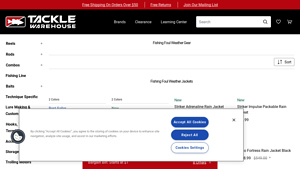
Bereich: tacklewarehouse.com
Registriert: 1998 (27 Jahre)
Einleitung: Fishing Foul Weather Gear includes a variety of jackets and bibs/pants from different brands. Key products include:
**Jackets:**
– Frogg Toggs FTX Armor Jacket – $159.99
– Daiwa Gore-Tex Shell Jacket – $499.99
– Striker Adrenaline Rain Jacket – $299.99
– Aftco Barricade Rain Jacket – $214.97 – $248.99
– Simms Vapor Elite Jacket – $399.95
**Bibs & Pants:**
– Aftco Barricade Rain Bib – $19…
Strategic Sourcing Conclusion and Outlook for fishing rain jacket
The strategic sourcing of fishing rain jackets is pivotal for international B2B buyers looking to enhance their product offerings and meet the demands of diverse markets. Key takeaways emphasize the importance of selecting high-quality, waterproof materials that provide durability and comfort in varying weather conditions, particularly for anglers operating in challenging environments. Buyers should prioritize suppliers that offer comprehensive warranties, innovative designs, and the ability to customize products to local preferences.
Moreover, establishing partnerships with manufacturers who demonstrate sustainable practices and ethical production can significantly enhance brand reputation and consumer trust, especially in regions like Africa, South America, the Middle East, and Europe. As the market for fishing gear continues to grow, leveraging data-driven insights and market trends will be crucial for making informed sourcing decisions.
Looking ahead, international buyers are encouraged to actively engage with suppliers to explore new product lines and technological advancements in rain jacket design. By investing in strategic sourcing now, businesses can position themselves as leaders in the fishing apparel market, ready to capitalize on emerging opportunities and consumer demands in the years to come.


 German
  English
  Russian
  Spanish
  Arabic
  Portuguese
  Vietnamese
  Korean
  Japanese