
Introduction: Navigating the Global Market for long nylon raincoat
The global market for long nylon raincoats presents a unique opportunity for international B2B buyers to enhance their product offerings while addressing the growing demand for stylish and functional outerwear. Sourcing high-quality long nylon raincoats can be challenging, particularly when balancing cost, durability, and design preferences across diverse regions such as Africa, South America, the Middle East, and Europe, including key markets like Germany and Brazil. This guide is designed to navigate these complexities, providing insights into various types of raincoats, their applications, and essential supplier vetting processes.
In this comprehensive resource, buyers will find an exploration of the latest trends in long nylon raincoats, including performance features such as waterproofing, breathability, and lightweight designs. Additionally, we will discuss pricing structures and cost considerations, enabling informed purchasing decisions that align with budget constraints and market expectations. Understanding the nuances of supplier relationships and quality assurance will empower buyers to make strategic choices that elevate their product lines.
By equipping international B2B buyers with actionable insights and expert recommendations, this guide aims to facilitate successful sourcing and procurement of long nylon raincoats, ensuring that businesses can meet consumer demands while fostering brand loyalty and competitive advantage in the market.
Understanding long nylon raincoat Types and Variations
| Typ Name | Wichtigste Unterscheidungsmerkmale | Primäre B2B-Anwendungen | Kurze Vor- und Nachteile für Käufer |
|---|---|---|---|
| Leichter, verpackbarer Regenmantel | Compact design, easily storable, breathable materials | Travel, outdoor events, casual wear | Vorteile: Easy to carry, versatile; Nachteile: Möglicherweise fehlt es an Isolierung für kältere Klimazonen. |
| Insulated Long Raincoat | Added insulation for warmth, often with a waterproof shell | Winter outdoor activities, urban wear | Vorteile: Warmth, protection against harsh weather; Nachteile: Bulkier, may be less packable. |
| Waterproof Trench Coat | Classic trench design, long length, waterproof fabric | Formal events, business wear | Vorteile: Stylish, professional appearance; Nachteile: Higher price point, may be heavier. |
| Reflektierender Sicherheitsregenmantel | High-visibility features, often with reflective strips | Bauwesen, Notfalldienste | Vorteile: Enhanced visibility for safety; Nachteile: Limited style options, may be perceived as utilitarian. |
| Multi-functional Anorak | Versatile design, adjustable features, often packable | Casual outings, outdoor activities | Vorteile: Adaptable, stylish; Nachteile: May not be suitable for formal occasions. |
What Are the Characteristics of Lightweight Packable Raincoats?
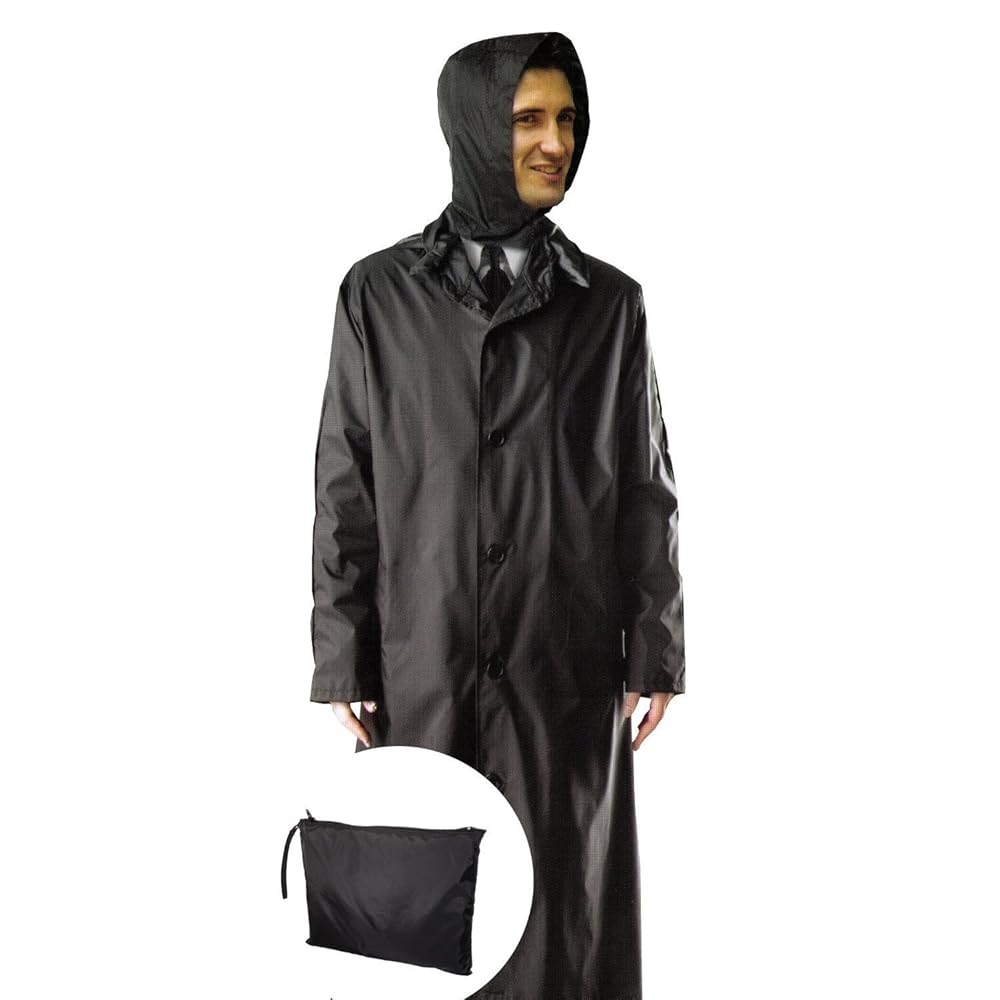
Lightweight packable raincoats are designed for convenience, making them ideal for B2B buyers in sectors like travel and outdoor events. Their compact design allows them to be easily stored in bags, making them a preferred choice for businesses that require mobility and flexibility. The breathable materials used in these raincoats ensure comfort during physical activities, but they may not provide sufficient warmth in colder climates, which is an important consideration for buyers in regions with variable weather.
How Do Insulated Long Raincoats Differ From Other Types?
Insulated long raincoats combine waterproof materials with added insulation, making them suitable for winter outdoor activities and urban wear. Businesses in colder regions or those that operate during winter months should consider these raincoats for their employees. While they offer warmth and protection against harsh weather, their bulkier design can limit packability, which may be a drawback for companies that prioritize lightweight gear.
Why Choose a Waterproof Trench Coat for Professional Use?
Waterproof trench coats are characterized by their classic design and long length, making them suitable for formal events and business wear. B2B buyers in industries such as hospitality or corporate sectors may find these coats essential for maintaining a professional appearance while ensuring protection from the elements. However, their higher price point and heavier weight might deter budget-conscious businesses or those seeking more casual options.
What Are the Benefits of Reflective Safety Raincoats?
Reflective safety raincoats are specifically designed for high-visibility applications, making them ideal for construction and emergency services. The presence of reflective strips enhances safety during low-light conditions, which is crucial for businesses that prioritize worker safety. While these raincoats serve a vital function, their utilitarian design may not appeal to buyers looking for fashionable options, limiting their use outside of work environments.
How Do Multi-functional Anoraks Meet Diverse Needs?
Multi-functional anoraks are designed with versatility in mind, featuring adjustable elements and often packable designs that cater to casual outings and outdoor activities. These raincoats appeal to B2B buyers in the leisure and travel sectors, offering a stylish yet practical solution for unpredictable weather. However, they may not be suitable for formal occasions, which is a consideration for businesses that require a more polished appearance in their outerwear.
Key Industrial Applications of long nylon raincoat
| Industrie/Sektor | Specific Application of long nylon raincoat | Wert/Nutzen für das Unternehmen | Wichtige Überlegungen zur Beschaffung für diese Anwendung |
|---|---|---|---|
| Erholung im Freien | Wander- und Campingausrüstung | Provides waterproof protection and comfort for outdoor enthusiasts | Durability, lightweight material, breathability, and ease of packing |
| Landwirtschaft | Farm and Field Work Attire | Protects workers from rain while allowing for mobility and flexibility | Water resistance, fit for layering, and ease of maintenance |
| Reisen und Tourismus | Travel Gear for Tour Operators | Ensures tourists stay dry and comfortable during excursions | Lightweight design, packability, and stylish appearance |
| Notfalldienste | Rain Gear for First Responders | Keeps emergency personnel dry in adverse weather conditions | High visibility options, durability, and comfort for extended wear |
| Construction and Trade | Protective Workwear for Construction Sites | Shields workers from the elements while maintaining safety standards | Compliance with safety regulations, durability, and ease of movement |
How is the long nylon raincoat utilized in outdoor recreation?
In the outdoor recreation sector, long nylon raincoats are essential for hiking and camping. They offer reliable waterproof protection, allowing enthusiasts to enjoy their activities regardless of weather conditions. The lightweight and breathable material enhances comfort during physical exertion, while packable designs cater to the needs of travelers who require easy storage. For B2B buyers in regions with unpredictable weather patterns, sourcing high-quality raincoats that balance durability and lightweight features is crucial to meet customer expectations.
Why are long nylon raincoats vital in agriculture?
In agriculture, long nylon raincoats serve as protective gear for farm and field workers. They ensure that employees remain dry and comfortable while performing tasks in wet conditions, which is essential for maintaining productivity. The flexibility and mobility offered by these raincoats allow workers to navigate challenging environments easily. Buyers in this sector should focus on sourcing raincoats that provide excellent water resistance, fit well over layers, and are easy to clean, ensuring longevity and functionality in demanding conditions.
How do long nylon raincoats benefit the travel and tourism industry?
Travel gear, particularly for tour operators, often includes long nylon raincoats to enhance the experience of tourists. These raincoats ensure that visitors remain dry and comfortable during excursions, contributing to their overall satisfaction. The lightweight and packable nature of these garments makes them ideal for tourists who may need to carry them in their bags. B2B buyers in this industry should consider sourcing stylish and functional raincoats that appeal to diverse customer preferences while ensuring they are prepared for varying weather conditions.
What role do long nylon raincoats play in emergency services?
In emergency services, long nylon raincoats are critical for first responders who must operate in adverse weather conditions. These garments provide essential waterproof protection, keeping personnel dry while they perform their duties. High visibility options are often preferred to ensure safety during rescue operations. For B2B buyers in the emergency sector, sourcing raincoats that offer durability, comfort for extended wear, and compliance with safety standards is vital to support the needs of emergency responders effectively.
How do long nylon raincoats fit into construction and trade industries?
In the construction and trade sectors, long nylon raincoats are essential protective workwear that shields workers from rain and adverse weather conditions. These raincoats help maintain productivity by allowing workers to remain dry and focused on their tasks. Sourcing considerations should include compliance with safety regulations, ensuring the garments are durable enough to withstand wear and tear, and providing ease of movement for workers. This makes them a valuable investment for companies looking to enhance worker safety and comfort on-site.
3 Common User Pain Points for ‘long nylon raincoat’ & Their Solutions
Scenario 1: Sizing and Fit Challenges for Bulk Orders
Das Problem: One of the most common challenges faced by B2B buyers, especially when ordering long nylon raincoats in bulk, is ensuring the right sizing and fit for a diverse workforce. In regions like Africa and South America, body sizes can vary significantly. A buyer may receive a shipment only to find that a substantial portion of the raincoats do not fit their employees properly, leading to increased return rates and dissatisfaction among staff.
Die Lösung: To mitigate sizing issues, B2B buyers should establish clear communication with suppliers regarding size charts and fitting guides. Request samples in various sizes before placing a bulk order, allowing employees to try them on and provide feedback. Additionally, consider integrating a size range that accommodates a broad spectrum of body types, including options for tall and plus-sized individuals. Establishing a clear return policy for unsatisfactory sizes can also help maintain a good relationship with your supplier while ensuring employee satisfaction.
Scenario 2: Quality and Durability Concerns
Das Problem: Buyers often face concerns about the quality and durability of long nylon raincoats, particularly in harsh climates. For instance, businesses operating in regions with heavy rainfall and strong winds may find that low-quality raincoats fail to provide adequate protection, resulting in employee complaints and reduced morale. Inconsistent quality can lead to frequent replacements, increasing costs and complicating inventory management.
Die Lösung: To ensure high-quality products, buyers should prioritize sourcing long nylon raincoats from reputable manufacturers known for their durability and performance. Request certifications and test results that demonstrate the raincoats’ waterproof capabilities and resistance to wear and tear. Additionally, conducting a small trial run of the raincoats in real-world conditions can provide valuable insights into their effectiveness before committing to larger orders. Collaborating with suppliers who offer warranties can also safeguard against premature failures, ensuring long-term value.
Scenario 3: Style and Professional Appearance
Das Problem: Another pain point for B2B buyers is balancing functionality with style. In sectors like hospitality or corporate environments, employees are expected to present a professional image, even during inclement weather. Raincoats that are purely functional may not align with the brand’s aesthetic, potentially impacting the company’s image in front of clients and customers.
Die Lösung: To address this issue, buyers should seek out long nylon raincoats that offer both style and functionality. Look for options that come in a variety of colors and modern designs that align with your brand’s identity. Collaborate with suppliers who can customize raincoats with company logos or branding to enhance the professional appearance. Additionally, consider the fabric’s breathability and comfort to ensure that employees feel confident while wearing them. Engaging in discussions with suppliers about available styles can help buyers find the perfect balance between practical rain protection and maintaining a polished look.
By understanding and addressing these common pain points, B2B buyers can make informed decisions when sourcing long nylon raincoats, ensuring they meet both employee needs and company standards effectively.
Strategic Material Selection Guide for long nylon raincoat
What Are the Key Materials Used in Long Nylon Raincoats?
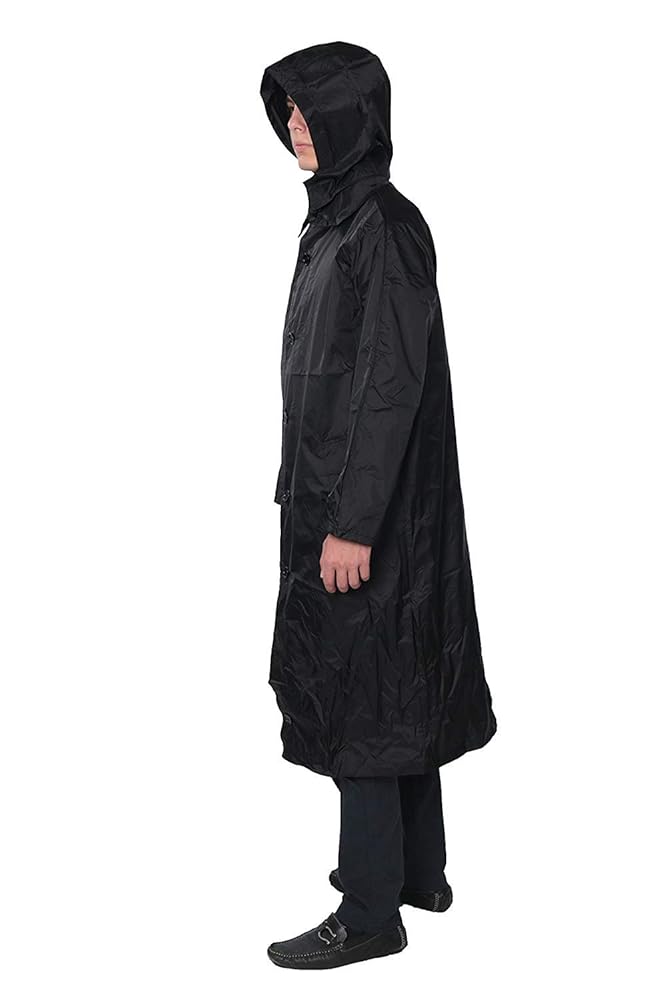
When selecting materials for long nylon raincoats, several options stand out based on their performance characteristics, durability, and suitability for various climates. Below, we analyze four common materials used in the manufacturing of these raincoats, providing insights relevant to international B2B buyers.
1. Nylon 6,6
Wichtige Eigenschaften: Nylon 6,6 is known for its excellent tensile strength and resistance to abrasion. It has a temperature rating of up to 120°C, making it suitable for various weather conditions. Its inherent moisture-wicking properties also enhance comfort.
Pro und Kontra: This material is highly durable and resistant to wear, which extends the life of the raincoat. However, it can be more expensive than other nylon variants, leading to higher production costs. The complexity of manufacturing processes can also add to the overall expense.
Auswirkungen auf die Anwendung: Nylon 6,6 is compatible with various water-repellent finishes, enhancing its waterproof capabilities. It is ideal for applications requiring high durability, such as outdoor sports or workwear.
Überlegungen für internationale Käufer: Buyers from regions like Europe and the Middle East should ensure compliance with environmental standards, such as REACH in Europe, which governs chemical safety.
2. Recycled Nylon
Wichtige Eigenschaften: Recycled nylon, often derived from post-consumer waste, retains many of the performance characteristics of virgin nylon, including strength and elasticity. It is also lightweight and offers good UV resistance.
Pro und Kontra: The primary advantage of recycled nylon is its lower environmental impact, appealing to eco-conscious consumers. However, sourcing recycled materials can sometimes lead to variability in quality, which may affect product consistency.
Auswirkungen auf die Anwendung: This material is suitable for brands looking to promote sustainability while maintaining performance. It is particularly effective in casual and urban raincoat designs.
Überlegungen für internationale Käufer: Buyers in South America and Africa may find recycled nylon appealing due to increasing consumer demand for sustainable products. Compliance with local recycling and waste management regulations is also essential.
3. Polyurethane (PU) Coated Nylon
Wichtige Eigenschaften: PU-coated nylon offers enhanced waterproofing and wind resistance, with a pressure rating that can withstand heavy rainfall. It is also flexible, allowing for ease of movement.
Pro und Kontra: The main advantage of PU-coated nylon is its superior waterproofing capabilities, making it ideal for heavy rain conditions. However, it can be less breathable compared to other materials, which may lead to discomfort in warmer climates.
Auswirkungen auf die Anwendung: This material is particularly effective for raincoats designed for extreme weather conditions, such as outdoor adventures or industrial applications.
Überlegungen für internationale Käufer: Buyers in regions with high humidity, such as parts of Africa and South America, should consider breathability alongside waterproofing. Compliance with local safety standards for workwear may also be necessary.
4. Nylon with DWR (Durable Water Repellent) Finish
Wichtige Eigenschaften: A DWR finish enhances the water resistance of nylon fabrics, causing water to bead on the surface rather than soaking in. This treatment can significantly improve the performance of nylon raincoats.
Pro und Kontra: The primary advantage is the lightweight nature of the fabric combined with effective water resistance. However, DWR finishes can wear off over time, necessitating re-treatment, which can add to maintenance costs.
Auswirkungen auf die Anwendung: This material is well-suited for everyday raincoats where lightweight and packability are essential, making it ideal for travel and urban use.
Überlegungen für internationale Käufer: Buyers in Europe may need to consider the environmental impact of DWR treatments, as some chemicals used in the process are subject to regulatory scrutiny.
Summary Table of Material Selection for Long Nylon Raincoats
| Material | Typical Use Case for long nylon raincoat | Hauptvorteil | Wesentlicher Nachteil/Beschränkung | Relative Kosten (niedrig/mittel/hoch) |
|---|---|---|---|---|
| Nylon 6,6 | High-performance outdoor raincoats | Excellent durability and strength | Höhere Produktionskosten | Hoch |
| Recycled Nylon | Sustainable fashion raincoats | Lower environmental impact | Potential variability in quality | Mittel |
| PU Coated Nylon | Extreme weather and industrial raincoats | Superior waterproofing | Less breathability in warm climates | Mittel |
| Nylon with DWR Finish | Everyday travel and urban raincoats | Lightweight and packable | Requires re-treatment over time | Mittel |
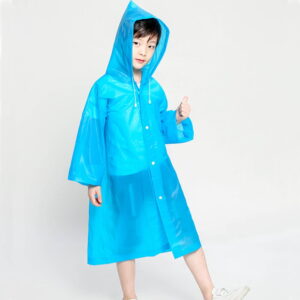
A stock image related to long nylon raincoat.
In-depth Look: Manufacturing Processes and Quality Assurance for long nylon raincoat
What Are the Key Stages in the Manufacturing Process of Long Nylon Raincoats?
The manufacturing process of long nylon raincoats encompasses several critical stages: material preparation, forming, assembly, and finishing. Each stage plays a vital role in ensuring that the final product meets quality and performance standards.
Material Preparation: How Are Fabrics Selected and Processed?
The foundation of a high-quality raincoat lies in the selection of materials. Manufacturers typically use nylon due to its lightweight, durable, and water-resistant properties. The fabric undergoes several treatments, such as waterproofing and breathability enhancements.
During this stage, suppliers may conduct tests on the nylon to evaluate its tensile strength, water resistance, and breathability. The choice of nylon grades can vary based on the intended use of the raincoat, whether for everyday wear or for extreme weather conditions.
How Is the Forming Process Executed for Long Nylon Raincoats?
Forming involves cutting the prepared nylon into specific patterns and shapes that align with the design specifications. This stage often utilizes automated cutting machines for precision. Advanced techniques such as laser cutting may also be employed to ensure minimal fabric waste and to achieve intricate designs.
The forming process also includes the preparation of linings and other components like zippers and buttons. These materials are sourced from specialized suppliers to guarantee quality and compatibility with the nylon fabric.
What Does the Assembly Process Entail for Long Nylon Raincoats?
Once the pieces are cut, the assembly process begins. This stage typically involves sewing the various components together. Industrial sewing machines are used to stitch the nylon fabric, ensuring that seams are reinforced and watertight.
Quality control checkpoints are integrated into this stage to catch any defects early. For instance, operators may perform visual inspections to ensure that stitching is consistent and that there are no fabric flaws. Additionally, manufacturers may employ ultrasonic welding techniques for seam sealing, which enhances the waterproof capabilities of the raincoat.
What Finishing Techniques Are Used to Enhance Long Nylon Raincoats?
Finishing is the final stage of production and involves several processes aimed at enhancing the coat’s functionality and aesthetics. This may include applying additional water-repellent coatings, adding zippers, buttons, and other embellishments, and performing quality checks on the final product.
The raincoats undergo pressing to remove any wrinkles and to ensure that the fabric drapes correctly. Labels and care instructions are also attached at this stage. Some manufacturers might conduct a final wash treatment to enhance the softness and comfort of the nylon.
What Are the International Quality Assurance Standards for Long Nylon Raincoats?
Quality assurance (QA) is crucial in the manufacturing of long nylon raincoats, ensuring that products meet both consumer expectations and regulatory standards. International standards such as ISO 9001 provide a framework for quality management systems, emphasizing continuous improvement and customer satisfaction.
Which Industry-Specific Certifications Should B2B Buyers Look For?
In addition to general quality standards, specific certifications may apply depending on the target market. For instance, the CE mark indicates compliance with European safety, health, and environmental protection standards. In regions like Africa and South America, certifications may vary, but adherence to local regulations is equally important.
How Are Quality Control Checkpoints Implemented Throughout Production?
Quality control is integrated at multiple stages of the manufacturing process:
-
Eingehende Qualitätskontrolle (IQC): At this stage, raw materials, including nylon and other components, are inspected for quality upon arrival. This ensures that only materials meeting the specified standards are used in production.
-
Prozessbegleitende Qualitätskontrolle (IPQC): This involves continuous monitoring during the manufacturing stages, including inspections of sewing, assembling, and finishing. Random sampling is common to ensure that any defects are identified and rectified promptly.
-
Endgültige Qualitätskontrolle (FQC): The completed raincoats undergo a thorough inspection to check for any defects in stitching, waterproofing, and overall finish. This stage often includes performance testing, such as water resistance and breathability tests.
Welche gängigen Prüfverfahren werden zur Sicherstellung der Produktqualität eingesetzt?
B2B buyers should be aware of the common testing methods used in the industry. These may include:
-
Prüfung der Wasserbeständigkeit: This assesses how effectively the raincoat can repel water under various conditions.
-
Prüfung der Zugfestigkeit: This measures the fabric’s durability and resistance to tearing.
-
Prüfung der Atmungsaktivität: This evaluates how well the fabric allows moisture vapor to escape, ensuring comfort for the wearer.
Wie können B2B-Einkäufer die Qualitätskontrollpraktiken der Lieferanten überprüfen?
To ensure that suppliers maintain high-quality standards, B2B buyers can implement several verification methods:
-
Lieferanten-Audits: Conducting regular audits of manufacturing facilities helps verify adherence to quality standards and regulations. Audits can focus on production processes, material sourcing, and compliance with international standards.
-
Qualitätsberichte: Requesting detailed quality reports from suppliers provides insights into their QA processes and any issues encountered during production.
-
Inspektionen durch Dritte: Engaging third-party inspection services can provide an unbiased assessment of product quality before shipment. This is particularly valuable for international transactions, where buyers may not have direct access to the manufacturing site.
Was sind die Feinheiten der Qualitätskontrolle für internationale Käufer?
B2B buyers from Africa, South America, the Middle East, and Europe should be aware of the nuances in quality control that may vary by region. For instance, compliance with local regulations can differ significantly, impacting product safety and performance.
Buyers should also consider cultural factors that influence manufacturing practices and communication. Establishing clear expectations and maintaining open lines of communication with suppliers can help mitigate misunderstandings and ensure quality standards are met.
In conclusion, understanding the manufacturing processes and quality assurance measures for long nylon raincoats is crucial for B2B buyers. By focusing on these aspects, buyers can make informed decisions, ensuring they source high-quality products that meet their market needs.
Practical Sourcing Guide: A Step-by-Step Checklist for ‘long nylon raincoat’
In the competitive landscape of B2B procurement, sourcing long nylon raincoats requires a strategic approach to ensure quality, cost-effectiveness, and supplier reliability. This guide provides a structured checklist for international buyers, especially those targeting markets in Africa, South America, the Middle East, and Europe. By following these steps, you can streamline the sourcing process and make informed purchasing decisions.
Schritt 1: Definieren Sie Ihre technischen Spezifikationen
Establishing clear technical specifications is essential for aligning your requirements with supplier capabilities. Consider factors such as material quality, waterproof ratings, insulation types, and design features like adjustable hoods and pockets. Specify the intended use—whether for casual wear, outdoor activities, or formal occasions—as this will guide your selection process.
Schritt 2: Markttrends und Verbraucherpräferenzen erforschen
Understanding the latest market trends and consumer preferences can provide insight into which styles and features are in demand. Analyze data from relevant regions to identify popular colors, sizes, and functionalities that cater to local climates and fashion sensibilities. This knowledge will help you align your procurement strategy with market expectations, enhancing your competitive edge.
Schritt 3: Potenzielle Lieferanten evaluieren
Before committing to a supplier, it’s crucial to conduct a thorough evaluation. Request company profiles, product samples, and references from buyers in similar industries or regions. Look for suppliers with a proven track record in producing high-quality nylon raincoats, and assess their ability to meet your specific technical and aesthetic requirements.
- Zertifizierungen prüfen: Ensure that suppliers have relevant certifications for quality assurance, such as ISO standards or compliance with environmental regulations.
- Assess Production Capacity: Verify that the supplier can meet your order volume and delivery timelines consistently.
Schritt 4: Request Detailed Quotes
Once you have shortlisted potential suppliers, request detailed quotes that include pricing, minimum order quantities, lead times, and payment terms. This step is vital for comparing costs and ensuring there are no hidden fees. Pay attention to the terms of warranty or return policies, as these can impact your overall satisfaction with the product.
Schritt 5: Conduct Factory Visits or Virtual Audits
If possible, conduct factory visits or arrange for virtual audits to assess the supplier’s production processes and quality control measures. This hands-on approach allows you to evaluate the working conditions and the level of craftsmanship that goes into the long nylon raincoats. It also demonstrates your commitment to establishing a solid partnership.
Schritt 6: Negotiate Terms and Finalize Contracts
Once you have selected a supplier, engage in negotiations to finalize contract terms. Address key aspects such as pricing, delivery schedules, payment methods, and quality assurance processes. Clear, legally binding contracts help mitigate risks and set expectations for both parties, ensuring a smoother procurement experience.
Schritt 7: Plan für Logistik und Vertrieb
Consider the logistics involved in transporting your long nylon raincoats from the supplier to your location. Evaluate shipping options, customs regulations, and distribution channels to ensure timely delivery. A well-organized logistics plan can prevent delays and additional costs, allowing you to meet market demands effectively.
By adhering to this checklist, B2B buyers can navigate the complexities of sourcing long nylon raincoats, ensuring a successful procurement process that meets both quality standards and market needs.
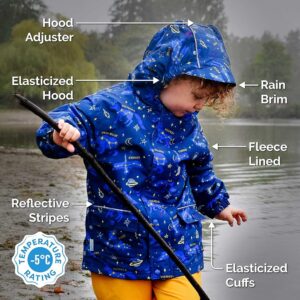
A stock image related to long nylon raincoat.
Comprehensive Cost and Pricing Analysis for long nylon raincoat Sourcing
What Are the Key Cost Components in Sourcing Long Nylon Raincoats?
When sourcing long nylon raincoats for B2B transactions, understanding the cost structure is essential for informed purchasing decisions. The primary cost components include materials, labor, manufacturing overhead, tooling, quality control (QC), logistics, and profit margins.
-
Materialien: The cost of nylon fabric can vary significantly based on quality, sourcing location, and whether it is recycled or virgin material. High-quality, water-resistant nylon tends to be more expensive but offers better durability and performance.
-
Arbeit: Labor costs depend on the manufacturing location. Countries with lower labor costs, such as those in parts of Southeast Asia, can offer competitive pricing, while European manufacturers may charge more due to higher wage standards.
-
Fertigungsgemeinkosten: This includes utilities, rent, and general operational costs of the factory. Manufacturers often factor these costs into the final price, which can vary widely depending on the region.
-
Werkzeugbau: The initial investment in molds and machinery for producing raincoats can impact pricing, particularly for customized designs or specific features such as zippers, hoods, or insulation.
-
Qualitätskontrolle: Ensuring that each raincoat meets specified standards requires a robust QC process. This can involve testing for waterproofing, durability, and fit, which adds to overall costs.
-
Logistik: Shipping costs can fluctuate based on the supplier’s location, shipping terms, and the mode of transportation. Incoterms will dictate who is responsible for shipping and handling costs, which can affect the total landed cost.
-
Marge: Suppliers typically include a profit margin based on their operational costs, market demand, and competitive landscape. Margins can range from 10% to 30% depending on the supplier and the quality of the product.
How Do Price Influencers Affect Long Nylon Raincoat Costs?
Several factors influence the pricing of long nylon raincoats, particularly for international B2B buyers.
-
Volumen/MOQ: Minimum order quantities (MOQs) can significantly affect pricing. Larger orders often lead to volume discounts, which can improve cost-efficiency.
-
Spezifikationen und Anpassungen: Customized designs, colors, or additional features will increase costs. Buyers should weigh the benefits of customization against the additional expenses incurred.
-
Materialien und Qualitätszertifikate: The choice of materials, especially if they come with certifications (like OEKO-TEX or GOTS for organic textiles), can increase costs but may also enhance the product’s marketability.
-
Lieferanten-Faktoren: The reputation and reliability of the supplier can influence pricing. Established suppliers with a track record of quality may command higher prices, but they often provide greater assurance of product consistency.
-
Incoterms: Understanding shipping terms is crucial. Terms like FOB (Free on Board) or CIF (Cost, Insurance, and Freight) will dictate who bears the cost and risk at various points in the shipping process, affecting the overall price.
What Buyer Tips Can Enhance Cost-Efficiency in Long Nylon Raincoat Sourcing?
For B2B buyers, particularly from regions such as Africa, South America, the Middle East, and Europe, strategic sourcing of long nylon raincoats can lead to significant cost savings.
-
Effektiv verhandeln: Establishing a good relationship with suppliers can lead to better pricing. Engage in negotiations that consider both parties’ needs to find a mutually beneficial agreement.
-
Bewertung der Gesamtbetriebskosten (TCO): When assessing potential suppliers, consider not just the purchase price but also shipping, potential tariffs, and costs related to returns or defects. This holistic approach will provide a clearer picture of overall expenditure.
-
Achten Sie auf preisliche Nuancen: International buyers should be cognizant of currency fluctuations, import duties, and taxes that can affect the final price. Understanding local regulations and market conditions is vital for effective budgeting.
-
Consider Quality Over Price: While it may be tempting to opt for the lowest price, investing in higher-quality products can result in long-term savings through reduced returns and increased customer satisfaction.
In conclusion, a comprehensive understanding of the cost structure and pricing influencers, combined with strategic negotiation and evaluation tactics, can empower B2B buyers to make informed decisions when sourcing long nylon raincoats.
Alternatives Analysis: Comparing long nylon raincoat With Other Solutions
When considering the procurement of a long nylon raincoat, B2B buyers should evaluate various alternatives that offer similar functionality. This analysis will focus on comparing long nylon raincoats with two viable alternatives: waterproof ponchos and breathable rain jackets. Each option has unique features, benefits, and drawbacks that can influence purchasing decisions based on specific business needs.
| Vergleich Aspekt | Long Nylon Raincoat | Wasserdichter Poncho | Atmungsaktive Regenjacke |
|---|---|---|---|
| Leistung | Excellent water resistance and windproof capabilities. Offers warmth and style. | Good water resistance but can be less effective in heavy rain. Limited insulation. | High breathability and water resistance. Suitable for active use. |
| Kosten | Moderate to high cost depending on brand and features (e.g., $70 – $600). | Generally lower cost (e.g., $10 – $50) due to simpler design. | Moderate cost (e.g., $50 – $300) depending on materials and technology. |
| Leichte Implementierung | Easy to wear and stylish, suitable for professional settings. | Simple design allows for quick wear, but may lack fit. | Slightly more complex due to layering but offers comfort for active users. |
| Wartung | Requires regular washing and care to maintain water resistance. | Minimal maintenance, usually machine washable. | Requires careful washing to preserve breathability and water resistance. |
| Bester Anwendungsfall | Ideal for formal occasions or urban settings requiring style and functionality. | Best for casual outdoor activities or emergencies where quick protection is needed. | Excellent for outdoor sports, hiking, or active work environments due to breathability. |
What Are the Pros and Cons of Waterproof Ponchos as an Alternative?
Waterproof ponchos offer a practical alternative for wet weather protection. Their low cost and lightweight design make them easily portable and ideal for emergency situations. However, ponchos often lack the tailored fit and insulation of long nylon raincoats, which can lead to discomfort in windy conditions. They may not provide the same level of professionalism or style, making them less suitable for business contexts.
How Do Breathable Rain Jackets Compare to Long Nylon Raincoats?
Breathable rain jackets excel in providing comfort during active use, thanks to their moisture-wicking capabilities. They allow for better airflow, making them ideal for hiking or outdoor sports. However, they may not offer the same level of warmth or insulation as long nylon raincoats, especially in colder climates. Additionally, their price range can vary significantly based on the technology used, which may impact budget considerations for B2B buyers.
How Can B2B Buyers Choose the Right Rainwear Solution?
When selecting the right rainwear solution, B2B buyers should consider several factors such as the intended use, climate conditions, and professional appearance. A long nylon raincoat is an excellent choice for those who require both functionality and style, particularly in urban environments or professional settings. Conversely, for casual or emergency use, a waterproof poncho may be more cost-effective. If the focus is on active outdoor applications, breathable rain jackets offer superior comfort and mobility. Ultimately, understanding the specific needs of your business will guide you toward the most suitable option.
Essential Technical Properties and Trade Terminology for long nylon raincoat
What Are the Key Technical Properties of Long Nylon Raincoats?
Understanding the essential technical properties of long nylon raincoats is crucial for B2B buyers looking to source high-quality products. Here are some critical specifications to consider:
-
Material Klasse
Nylon raincoats are typically made from different grades of nylon, such as 210D or 420D. The “D” stands for denier, which measures the thickness of the fibers. Higher denier numbers generally indicate a more durable fabric. For B2B buyers, selecting the right material grade is vital to ensure product longevity and resistance to wear and tear, especially in harsh weather conditions. -
Wasserdichte Bewertung
The waterproof rating of a raincoat is usually measured in millimeters (mm), indicating the height of a water column that the fabric can withstand before leaking. A rating of 1,500mm is considered basic, while 5,000mm and above offers substantial protection. This specification is essential for buyers in regions with heavy rainfall, as it directly impacts the functionality and customer satisfaction of the product. -
Atmungsaktivität
Breathability refers to the fabric’s ability to allow moisture vapor to escape while preventing water from entering. This property is typically measured in grams per square meter (g/m²). A breathable fabric helps maintain comfort by reducing sweat buildup. For B2B buyers, understanding breathability ratings can guide them in selecting products that balance waterproofing with comfort, particularly in humid climates. -
Gewicht und Packbarkeit
The weight of the raincoat is important for ease of transport and wear. Lightweight nylon raincoats are often preferred for outdoor activities, as they are easier to pack and carry. Buyers should also consider whether the raincoat is packable, meaning it can be folded into a compact size for storage. This feature appeals to consumers who prioritize convenience, making it a key selling point. -
Nahtabdichtung
Seam sealing refers to the process of waterproofing the stitching areas of the garment. Sealed seams prevent water from seeping through the needle holes. This is a critical property for ensuring the overall waterproofness of the raincoat. B2B buyers should inquire about the type of seam sealing used, as it affects the product’s durability and performance in wet conditions.
What Are Common Trade Terms Related to Long Nylon Raincoats?
Familiarity with industry jargon can streamline the procurement process. Here are some essential terms:
-
OEM (Original Equipment Manufacturer)
OEM refers to companies that produce parts or equipment that may be marketed by another manufacturer. In the context of raincoats, buyers may source from OEMs who specialize in nylon garments, ensuring that they receive products that meet specific design and quality standards. -
MOQ (Mindestbestellmenge)
MOQ is the smallest number of units that a supplier is willing to sell. Understanding the MOQ is crucial for B2B buyers as it impacts inventory costs and cash flow. Negotiating favorable MOQs can lead to better pricing and stock management. -
RFQ (Request for Quotation)
An RFQ is a document that a buyer submits to suppliers to request pricing for a specific quantity of products. This process is essential for comparing costs and ensuring that the buyer understands the full scope of potential expenses, including shipping and handling. -
Incoterms (Internationale Handelsklauseln)
Incoterms are a set of predefined commercial terms used in international trade. They clarify the responsibilities of buyers and sellers regarding shipping, insurance, and tariffs. Familiarity with Incoterms helps B2B buyers navigate the complexities of international procurement, ensuring smooth transactions. -
Vorlaufzeit
Lead time refers to the amount of time it takes from placing an order until the product is delivered. Understanding lead times is vital for inventory management and ensuring that products are available when needed, especially in seasonal markets.
By grasping these technical specifications and trade terms, B2B buyers can make informed decisions when sourcing long nylon raincoats, ensuring that they meet their quality standards and market demands.
Navigating Market Dynamics and Sourcing Trends in the long nylon raincoat Sector
What Are the Current Market Dynamics and Key Trends in the Long Nylon Raincoat Sector?
The long nylon raincoat sector is experiencing significant growth, driven by changing consumer preferences towards outdoor activities and travel, as well as an increasing demand for versatile and stylish outerwear. Global trends indicate a shift towards multifunctional clothing that combines fashion with practicality, making long nylon raincoats an ideal choice. Buyers from regions such as Africa, South America, the Middle East, and Europe, particularly Germany and Brazil, are increasingly looking for products that offer both protection from the elements and aesthetic appeal.
Emerging technologies are transforming sourcing practices within this sector. B2B buyers are leveraging digital platforms for streamlined procurement processes, enabling them to source products from a wider range of suppliers efficiently. Innovations in fabric technology, including the use of lightweight, breathable, and waterproof materials, are enhancing the functionality of raincoats. Additionally, the rise of e-commerce has made it easier for international buyers to access global markets, expanding their options when it comes to style and price.
Supply chain dynamics are also evolving, with a focus on agility and responsiveness to market demand. Brands are adopting just-in-time inventory practices to reduce waste and optimize stock levels. For B2B buyers, understanding these market dynamics is crucial for making informed sourcing decisions that align with current consumer trends.
How Are Sustainability and Ethical Sourcing Practices Influencing the Long Nylon Raincoat Market?
Sustainability has become a pivotal concern in the long nylon raincoat sector, influencing both production practices and consumer purchasing decisions. The environmental impact of nylon production, primarily derived from petroleum, has led to increased scrutiny. As a result, many brands are exploring recycled nylon options and eco-friendly materials that reduce the carbon footprint associated with manufacturing.
Ethical sourcing practices are equally important for B2B buyers. There is a growing expectation for brands to maintain transparency in their supply chains, ensuring fair labor practices and adherence to environmental regulations. Certifications such as Global Recycled Standard (GRS) and OEKO-TEX® Standard 100 are becoming essential for brands aiming to demonstrate their commitment to sustainability.
For international buyers, prioritizing suppliers that emphasize sustainable and ethical practices not only aligns with global trends but also meets the increasing consumer demand for responsible products. This focus on sustainability can enhance brand reputation and drive sales, particularly in markets where eco-consciousness is a significant purchasing factor.
What Is the Evolution of the Long Nylon Raincoat Sector and Its Relevance to B2B Buyers?
The long nylon raincoat has evolved significantly since its inception, transitioning from a purely functional garment to a fashionable staple in modern wardrobes. Initially designed for utility, early raincoats focused on basic waterproofing and durability. However, as fashion trends evolved, so did the design and materials used in production. The introduction of lightweight, breathable fabrics has allowed for greater versatility, catering to various climates and activities.
In recent years, the long nylon raincoat has gained traction as a key fashion item, merging practicality with style. This evolution is particularly relevant for B2B buyers, who must navigate a market where consumer expectations have shifted towards multifunctional apparel that does not compromise on aesthetics. Understanding the historical context of these garments can help buyers identify trends and anticipate future demands, ensuring that their product offerings remain competitive in an increasingly style-conscious marketplace.
Frequently Asked Questions (FAQs) for B2B Buyers of long nylon raincoat
-
How can I ensure the quality of long nylon raincoats from suppliers?
To ensure the quality of long nylon raincoats, conduct thorough supplier vetting. Request samples to assess fabric durability, stitching, and water resistance. Verify certifications such as ISO or OEKO-TEX that indicate adherence to quality standards. Additionally, consider visiting manufacturing facilities if feasible, or utilize third-party inspection services to evaluate production processes and final products before shipment. -
What customization options are available for long nylon raincoats?
Many suppliers offer customization options for long nylon raincoats, including color choices, logo printing, and size variations. Discuss your specific requirements with potential suppliers to determine their capacity for custom designs. Be sure to inquire about lead times for customized orders, as they may vary depending on the complexity and quantity of the order. -
What are the typical minimum order quantities (MOQs) for long nylon raincoats?
Minimum order quantities (MOQs) for long nylon raincoats can vary significantly based on the supplier and the specific product. Generally, MOQs can range from 100 to 1,000 units. When negotiating with suppliers, clarify the MOQ to ensure it aligns with your purchasing needs and budget. Some manufacturers may offer flexibility on MOQs for first-time orders or bulk purchases. -
What payment terms should I expect when sourcing long nylon raincoats?
Payment terms can vary by supplier but commonly include options like a 30% deposit upfront with the balance due before shipment, or payment upon receipt of goods. Discuss payment methods such as letters of credit, wire transfers, or PayPal to find a mutually agreeable solution. Always ensure that payment terms are clearly outlined in your contract to avoid misunderstandings. -
How do I handle logistics and shipping for international orders of long nylon raincoats?
When managing logistics for international orders, collaborate with a reliable freight forwarder who understands the complexities of shipping textiles. Discuss Incoterms (International Commercial Terms) with your supplier to clarify responsibilities for shipping costs, insurance, and customs clearance. Ensure that all shipping documentation is in order to avoid delays at customs, especially when importing into regions like Africa, South America, or Europe. -
What are the key features to look for in a high-quality long nylon raincoat?
When sourcing long nylon raincoats, prioritize features such as waterproofing, breathability, and durability. Look for adjustable hoods, secure pockets, and lightweight materials that offer comfort and ease of movement. Additionally, consider styles that are versatile for various weather conditions, ensuring that they can appeal to a broad market segment. -
How can I assess the reliability of a supplier for long nylon raincoats?
To assess supplier reliability, research their market reputation through reviews and references. Request client testimonials and case studies that demonstrate successful partnerships. Consider their production capacity, delivery timelines, and responsiveness to inquiries. It may also be beneficial to evaluate their financial stability to ensure they can meet your long-term sourcing needs. -
What are the common export regulations for long nylon raincoats?
Export regulations for long nylon raincoats vary by country but generally include compliance with textile labeling laws, safety standards, and environmental regulations. Ensure that your supplier provides the necessary documentation, such as Certificates of Origin and compliance with local regulations. Familiarizing yourself with the importing country’s requirements will help avoid customs issues and ensure a smooth import process.
Wichtiger Haftungsausschluss & Nutzungsbedingungen
⚠️ Wichtiger Haftungsausschluss
Die in diesem Leitfaden enthaltenen Informationen, einschließlich der Angaben zu Herstellern, technischen Spezifikationen und Marktanalysen, dienen ausschließlich Informations- und Bildungszwecken. Sie stellen keine professionelle Kaufberatung, Finanzberatung oder Rechtsberatung dar.
Obwohl wir alle Anstrengungen unternommen haben, um die Richtigkeit und Aktualität der Informationen zu gewährleisten, übernehmen wir keine Verantwortung für etwaige Fehler, Auslassungen oder veraltete Informationen. Marktbedingungen, Unternehmensangaben und technische Standards können sich ändern.
B2B-Käufer müssen ihre eigene unabhängige und gründliche Due-Diligence-Prüfung durchführen bevor Sie eine Kaufentscheidung treffen. Dazu gehört, dass Sie sich direkt mit den Anbietern in Verbindung setzen, die Zertifizierungen überprüfen, Muster anfordern und sich professionell beraten lassen. Das Risiko, sich auf die Informationen in diesem Leitfaden zu verlassen, trägt allein der Leser.
Top 6 Long Nylon Raincoat Manufacturers & Suppliers List
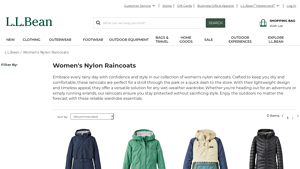
1. L.L. Bean – Women’s Meridian Rain Coat
Bereich: llbean.com
Registriert: 1995 (30 Jahre)
Einleitung: Women’s Nylon Raincoats collection includes various styles designed to keep you dry and comfortable. Key products include:
1. Women’s Meridian Rain Coat – Waterproof, windproof, adjustable hood and waist, breathable nylon, originally $169, now $84.99.
2. Women’s Trail Model Rain Jacket – Made from 100% recycled nylon, waterproof, windproof, adjustable hood, priced at $99.
3. Women’s Mountain Cl…
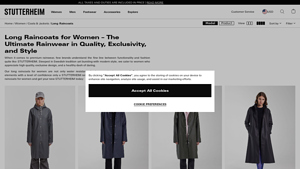
2. Stutterheim – Premium Long Raincoat for Women
3. Pinterest – Nylon Pacamacs
Bereich: uk.pinterest.com
Registriert: 2009 (16 Jahre)
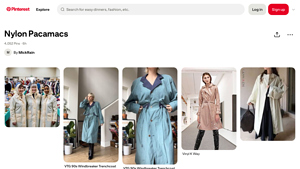
Einleitung: Nylon Pacamacs, 4,052 Pins, Related interests include Plastic Mac, PVC Raincoat, Raincoats for Women, VTG 90s Windbreaker Trenchcoat, Vinyl K Way, Rainwear Fashion, Vinyl Clothing, Shiny Clothes, Pink Coat, PVC Vinyl Rain Wear, Vintage Black Outerwear, Black Nylon Outerwear, Black Duster Full Length Coat, Vintage Aquascutum Mac, Vintage Abercrombie And Fitch Coat, Vintage Brown Single-breasted Cla…
4. Lands’ End – Squall Packable Waterproof Raincoat
Bereich: landsend.de
Registriert: 1994 (31 Jahre)
Einleitung: This company, Lands’ End – Squall Packable Waterproof Raincoat, is a notable entity in the market. For specific product details, it is recommended to visit their website directly.
5. NYT – Top Raincoat Picks
Bereich: nytimes.com
Registriert: 1994 (31 Jahre)
Einleitung: This company, NYT – Top Raincoat Picks, is a notable entity in the market. For specific product details, it is recommended to visit their website directly.
6. REI – Women’s Rain Jackets
Bereich: rei.de
Registriert: 1996 (29 Jahre)
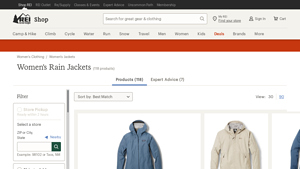
Einleitung: This company, REI – Women’s Rain Jackets, is a notable entity in the market. For specific product details, it is recommended to visit their website directly.
Strategic Sourcing Conclusion and Outlook for long nylon raincoat
Long nylon raincoats represent a strategic opportunity for B2B buyers seeking to enhance their product offerings with versatile, high-quality outerwear. The increasing demand for functional yet stylish rain gear across diverse markets, including Africa, South America, the Middle East, and Europe, underscores the importance of sourcing products that meet both aesthetic and performance criteria. By focusing on lightweight, waterproof, and breathable materials, suppliers can cater to a wide range of consumer preferences, ensuring that buyers can provide their customers with reliable options for unpredictable weather conditions.
Strategic sourcing not only facilitates cost-effective procurement but also enables businesses to align with brands that prioritize sustainability and innovation, such as those utilizing recycled materials. As global consumers become more environmentally conscious, sourcing from manufacturers who uphold these values can enhance brand reputation and customer loyalty.
Looking ahead, international B2B buyers should leverage market trends and consumer insights to identify potential partnerships and expand their product lines. By prioritizing quality and functionality in sourcing long nylon raincoats, businesses can position themselves as leaders in the competitive outerwear market. Engage with reliable suppliers today to secure your place in this growing industry and meet the evolving demands of your clientele.


 German
  English
  Russian
  Spanish
  Arabic
  Portuguese
  Vietnamese
  Korean
  Japanese