
Introduction: Navigating the Global Market for Rubber raincoat womens
In the dynamic landscape of international trade, sourcing quality rubber raincoats for women presents a unique challenge for B2B buyers. With varying climates and consumer preferences across regions such as Africa, South America, the Middle East, and Europe—including key markets like Brazil and Vietnam—understanding the nuances of this product category is essential. This guide serves as a comprehensive resource, delving into the diverse types of rubber raincoats available, their applications across different industries, and the vital considerations for supplier vetting.
Buyers will gain insights into the latest trends in design and functionality, ensuring they can meet the expectations of their target market. We will explore cost factors, including material quality and manufacturing processes, helping you to navigate pricing strategies effectively. Additionally, the guide will outline the critical aspects of assessing supplier reliability, from certifications to production capabilities, empowering you to make informed purchasing decisions.
By leveraging the information within this guide, international B2B buyers will be equipped to enhance their product offerings, optimize sourcing strategies, and ultimately drive sales growth. Understanding the global market for rubber raincoats for women not only fosters competitive advantage but also positions your business to thrive in an evolving marketplace.
Understanding Rubber raincoat womens Types and Variations
| タイプ名 | 主な特徴 | 主なB2Bアプリケーション | バイヤーのための簡単な長所と短所 |
|---|---|---|---|
| Classic Rubber Raincoat | Made from natural rubber, waterproof, and durable | Retail, outdoor events, fashion | 長所だ: Highly durable, eco-friendly; 短所だ: Heavier, may require special care. |
| 軽量レインジャケット | Made from lightweight rubberized fabric for breathability | Travel, casual wear, summer use | 長所だ: Easy to pack, comfortable; 短所だ: Less insulation, may not withstand extreme weather. |
| Insulated Rubber Raincoat | Features thermal insulation for colder climates | Winter wear, outdoor activities | 長所だ: Provides warmth; 短所だ: Bulkier, higher cost. |
| Hooded Waterproof Jacket | Includes an adjustable hood for enhanced protection | Hiking, camping, casual outings | 長所だ: Versatile, improved coverage; 短所だ: May limit visibility when hood is up. |
| Reflective Safety Raincoat | Incorporates reflective elements for visibility in low light | Construction, emergency services, cycling | 長所だ: Enhances safety; 短所だ: Can be pricier, may sacrifice style. |
What Are the Characteristics of Classic Rubber Raincoats?
Classic rubber raincoats are typically made from natural rubber, offering exceptional waterproof capabilities and durability. They are designed to withstand harsh weather conditions, making them suitable for various outdoor activities. B2B buyers in retail and outdoor event sectors often prefer these raincoats for their long-lasting quality and eco-friendliness. However, they tend to be heavier and may require special care, which can be a consideration for businesses focused on ease of maintenance.
How Do Lightweight Rain Jackets Benefit B2B Buyers?
Lightweight rain jackets are crafted from rubberized fabric that prioritizes breathability and comfort. These jackets are ideal for casual wear and travel, appealing to B2B buyers in the fashion and leisure sectors. Their packable nature makes them a popular choice for customers looking for convenience during warmer months. However, they may offer less insulation, which could limit their use in colder climates, making it essential for buyers to assess the seasonal needs of their target market.
What Makes Insulated Rubber Raincoats Ideal for Winter?
Insulated rubber raincoats provide thermal protection, making them suitable for colder climates. They cater to B2B buyers in the winter apparel market, outdoor activities, and sports sectors. These coats combine waterproof features with insulation, ensuring comfort in harsh weather. While their bulkiness and higher price point might deter some buyers, the warmth they offer can be a significant selling point for those targeting winter-specific customers.
Why Are Hooded Waterproof Jackets Popular Among B2B Buyers?
Hooded waterproof jackets are designed with adjustable hoods, providing enhanced protection against rain and wind. This versatility makes them suitable for various activities, including hiking and camping, appealing to B2B buyers in outdoor and casual wear markets. Their ability to offer improved coverage is a key selling point; however, the hood may limit visibility when worn, which is a factor that buyers should consider based on their customer demographics.
How Do Reflective Safety Raincoats Enhance Visibility for Buyers?
Reflective safety raincoats incorporate reflective elements, making them ideal for low-light conditions. They are particularly relevant for B2B buyers in construction, emergency services, and cycling markets where visibility is crucial. The enhanced safety feature is a significant advantage; however, these raincoats can be pricier and may sacrifice some style for functionality. Buyers should weigh the importance of safety against aesthetic appeal when selecting products for their inventory.
Key Industrial Applications of Rubber raincoat womens
| 業界/セクター | Specific Application of Rubber raincoat womens | ビジネスにとっての価値/利益 | このアプリケーションにおける主な調達先 |
|---|---|---|---|
| 農業 | Protective gear for farm workers in rainy conditions | Enhances worker safety and productivity during wet seasons | Durability, waterproofing, breathability, and ease of movement |
| Outdoor Recreation & Tourism | Essential attire for hiking and outdoor events | Attracts eco-conscious customers looking for functional fashion | Lightweight materials, stylish design, and packability for travel |
| Urban & City Wear | Fashionable rainwear for city dwellers | Combines practicality with style, appealing to urban consumers | Trendy designs, variety of sizes, and color options |
| Shipping & Logistics | Protective clothing for warehouse workers | Reduces workplace accidents and enhances employee comfort | Compliance with safety regulations, durability, and weather resistance |
| Fashion Retail | High-end raincoats as part of seasonal collections | Increases brand value and customer loyalty through quality offerings | Sourcing from reputable manufacturers, focus on sustainable materials |
How is Rubber Raincoat for Women Used in Agriculture?
In the agricultural sector, rubber raincoats serve as essential protective gear for farm workers, especially during the rainy season. These garments help ensure safety by preventing moisture-related illnesses and enhancing visibility in poor weather conditions. Buyers from this sector should prioritize features like durability, waterproofing, and breathability to ensure comfort and protection during long hours of outdoor work. Sourcing high-quality materials that withstand harsh conditions is crucial for maintaining worker safety and productivity.
What Role Does Rubber Raincoat for Women Play in Outdoor Recreation & Tourism?
In outdoor recreation and tourism, rubber raincoats are vital for ensuring participants remain dry and comfortable during activities such as hiking, camping, and sightseeing. These jackets are designed to be lightweight, breathable, and stylish, catering to eco-conscious consumers who value functionality without sacrificing aesthetics. B2B buyers in this industry should look for raincoats that are packable, making them easy to carry during excursions. The ability to offer a range of colors and designs can also enhance appeal to a diverse customer base.
How Does Rubber Raincoat for Women Enhance Urban & City Wear?
Rubber raincoats have become a staple in urban fashion, blending practicality with style for city dwellers. They are particularly useful for commuters navigating unpredictable weather while maintaining a polished appearance. Businesses targeting this market should focus on trendy designs that cater to various demographics, ensuring a wide array of sizes and color options are available. The integration of fashionable elements can significantly increase marketability and attract a dedicated customer base.
Why are Rubber Raincoats Important in Shipping & Logistics?
In the shipping and logistics sector, rubber raincoats are crucial for protecting warehouse workers from wet conditions, thus reducing the risk of accidents and enhancing overall comfort. Ensuring compliance with safety regulations is paramount, and raincoats must be durable enough to withstand the rigors of a busy work environment. Buyers in this field should consider sourcing raincoats that offer excellent weather resistance and comfort, as these factors directly contribute to employee well-being and operational efficiency.
How Can Fashion Retail Benefit from Rubber Raincoats for Women?
Fashion retailers can capitalize on the demand for high-end rubber raincoats by incorporating them into seasonal collections. These garments can enhance brand value and customer loyalty through quality offerings that meet both functional and aesthetic needs. B2B buyers should focus on sourcing from reputable manufacturers who prioritize sustainable materials and ethical production practices. This approach not only appeals to environmentally conscious consumers but also aligns with the growing trend of sustainability in fashion.
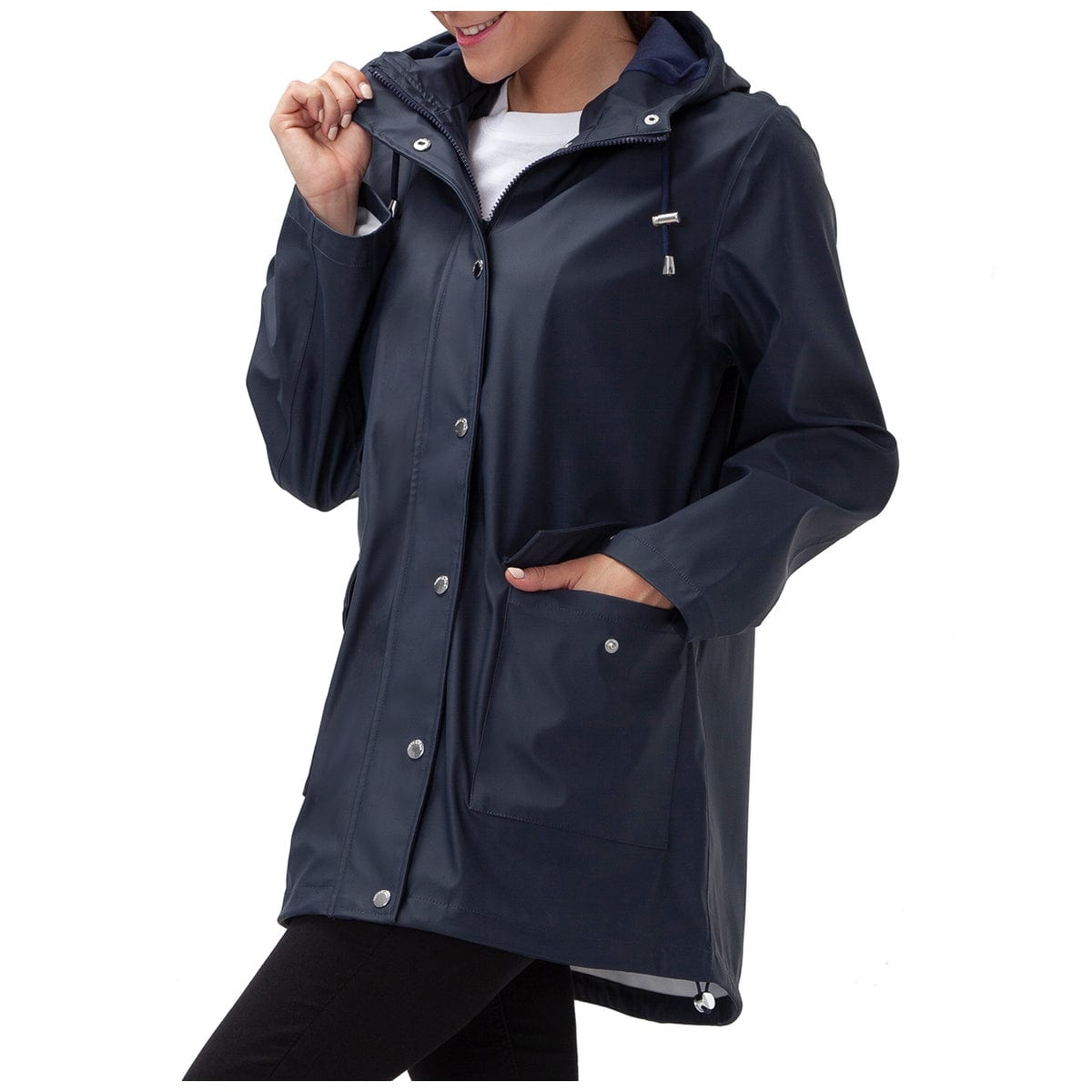
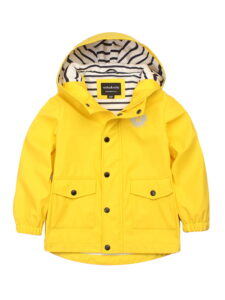
A stock image related to Rubber raincoat womens.
3 Common User Pain Points for ‘Rubber raincoat womens’ & Their Solutions
Scenario 1: Sizing and Fit Challenges in Bulk Orders
問題だ: B2B buyers often face significant challenges when it comes to sourcing rubber raincoats for women, particularly in achieving the right sizing and fit for a diverse clientele. Many manufacturers offer limited size ranges or inconsistent sizing charts, leading to frustration when the products delivered do not match the expectations set during the ordering process. This can result in returns, excess inventory, and customer dissatisfaction, which ultimately affects brand reputation and profitability.
解決策 To mitigate sizing issues, B2B buyers should prioritize suppliers who provide detailed sizing guides and allow for sample orders before committing to bulk purchases. It’s essential to request comprehensive size charts that include measurements for bust, waist, hips, and sleeve lengths, and to ensure these charts align with international sizing standards. Additionally, consider working with manufacturers that offer a diverse range of sizes or even custom sizing options to cater to specific demographics. Implementing a return policy that accommodates size exchanges can also enhance customer satisfaction and minimize financial losses.
Scenario 2: Durability and Performance in Harsh Weather Conditions
問題だ: The performance of rubber raincoats in extreme weather conditions is a critical concern for B2B buyers, particularly in regions prone to heavy rainfall or fluctuating temperatures. Many rubber raincoats on the market may promise waterproof capabilities, yet fail to deliver in practice, leading to complaints from end-users about leaks, discomfort, or even health issues due to inadequate protection from the elements.
解決策 B2B buyers should conduct thorough research on the materials and construction methods used by manufacturers. Look for rubber raincoats made with high-quality, durable materials that are tested for water resistance and breathability. Requesting test results or certifications can provide assurance of a product’s performance. Additionally, collaborating with brands known for their rigorous quality control processes and warranty policies can help ensure that only reliable products reach consumers. Incorporating feedback mechanisms to gather user experiences can also guide future purchasing decisions and improve product offerings.
Scenario 3: Balancing Style and Functionality
問題だ: In the competitive market for women’s rubber raincoats, buyers often struggle to find products that effectively balance style with functionality. Many end-users are not only looking for waterproof protection but also desire fashionable designs that can be worn in various settings, from casual outings to professional environments. This disconnect can lead to lower sales and a gap in market positioning.
解決策 To address this challenge, B2B buyers should seek out suppliers who offer a diverse range of styles that cater to different demographics while maintaining essential functional features. Engaging with designers who specialize in fashionable outerwear can lead to innovative products that appeal to style-conscious consumers. Additionally, consider leveraging customer insights and trend analysis to inform purchasing decisions, ensuring that the styles selected resonate with current market demands. Offering customizable options, such as different colors or patterns, can also enhance the appeal of rubber raincoats and broaden the target audience.
Strategic Material Selection Guide for Rubber raincoat womens
What Are the Key Materials Used in Rubber Raincoats for Women?
When selecting materials for rubber raincoats designed for women, several factors come into play, including performance characteristics, manufacturing complexities, and market preferences. The following analysis covers four common materials: natural rubber, synthetic rubber (such as EPDM), PVC, and polyester blends. Each material has unique properties that influence its suitability for various applications in diverse global markets.
How Does Natural Rubber Perform in Raincoat Applications?
Natural rubber is derived from latex and is known for its excellent elasticity and waterproof properties. It can withstand a wide range of temperatures, making it suitable for various climates. The corrosion resistance of natural rubber is also noteworthy, as it can endure exposure to moisture without degrading.
長所だ: Natural rubber is highly durable and provides a comfortable fit due to its flexibility. It is also biodegradable, appealing to eco-conscious consumers.
短所だ: The primary limitation is its susceptibility to UV degradation and ozone, which can lead to cracking over time. Additionally, natural rubber can be more expensive than synthetic alternatives, impacting overall production costs.
アプリケーションへの影響 Natural rubber is compatible with various media, making it ideal for environments where moisture is prevalent. However, buyers should consider its longevity in harsh sunlight or extreme weather conditions.
What Advantages Does Synthetic Rubber Offer for Raincoats?
Synthetic rubber, particularly Ethylene Propylene Diene Monomer (EPDM), is a popular choice for raincoat production due to its superior resistance to UV rays, ozone, and extreme temperatures. It offers excellent waterproofing capabilities and retains flexibility in cold conditions.
長所だ: EPDM is highly durable and has a longer lifespan compared to natural rubber, making it a cost-effective option in the long run. It is also resistant to many chemicals, enhancing its versatility.
短所だ: The manufacturing process for synthetic rubber can be more complex and energy-intensive, which may increase initial production costs. Additionally, it is not biodegradable, which could deter environmentally conscious buyers.
アプリケーションへの影響 EPDM’s chemical resistance makes it suitable for outdoor applications, especially in regions with harsh weather conditions. Buyers should ensure compliance with local environmental regulations regarding synthetic materials.
How Does PVC Compare as a Material for Raincoats?
Polyvinyl Chloride (PVC) is a widely used synthetic material in rainwear due to its affordability and waterproof characteristics. PVC can be manufactured in various thicknesses, allowing for a range of product designs.
長所だ: PVC is cost-effective and offers good protection against water and wind. It is also available in various colors and finishes, appealing to fashion-conscious consumers.
短所だ: The durability of PVC is generally lower than that of rubber, as it can become brittle over time, especially when exposed to extreme temperatures. Additionally, it may not be as breathable, leading to discomfort in warmer climates.
アプリケーションへの影響 PVC is suitable for casual rainwear but may not perform well in extreme weather conditions. International buyers should consider compliance with safety standards, as PVC can release harmful substances during production and disposal.
What Role Do Polyester Blends Play in Women’s Raincoats?
Polyester blends, often combined with rubber or other materials, are increasingly popular in raincoat manufacturing. These blends offer a balance of durability, comfort, and breathability.
長所だ: Polyester blends are lightweight, quick-drying, and often more breathable than pure rubber options. They can also be treated to enhance waterproofing, making them versatile for various weather conditions.
短所だ: While durable, polyester blends may not provide the same level of waterproofing as rubber materials. They can also be less environmentally friendly, depending on the production process.
アプリケーションへの影響 These blends are ideal for active wearers who need comfort and flexibility. Buyers should ensure that the blends meet international standards for moisture resistance and durability.
Summary of Material Selection for Rubber Raincoats
| 素材 | Typical Use Case for Rubber raincoat womens | 主な利点 | 主な欠点/制限 | 相対コスト(低/中/高) |
|---|---|---|---|---|
| Natural Rubber | Eco-friendly raincoats | Excellent elasticity and comfort | Susceptible to UV degradation | 高い |
| Synthetic Rubber | Durable, weather-resistant rainwear | Long lifespan and chemical resistance | Higher manufacturing complexity | ミディアム |
| PVC | Affordable casual raincoats | Cost-effective and colorful options | Brittle over time | 低い |
| Polyester Blends | Lightweight, breathable rainwear | Quick-drying and versatile | Less waterproof than rubber | ミディアム |
This guide serves as a strategic resource for international B2B buyers, particularly those in Africa, South America, the Middle East, and Europe, to make informed decisions regarding material selection for women’s rubber raincoats.
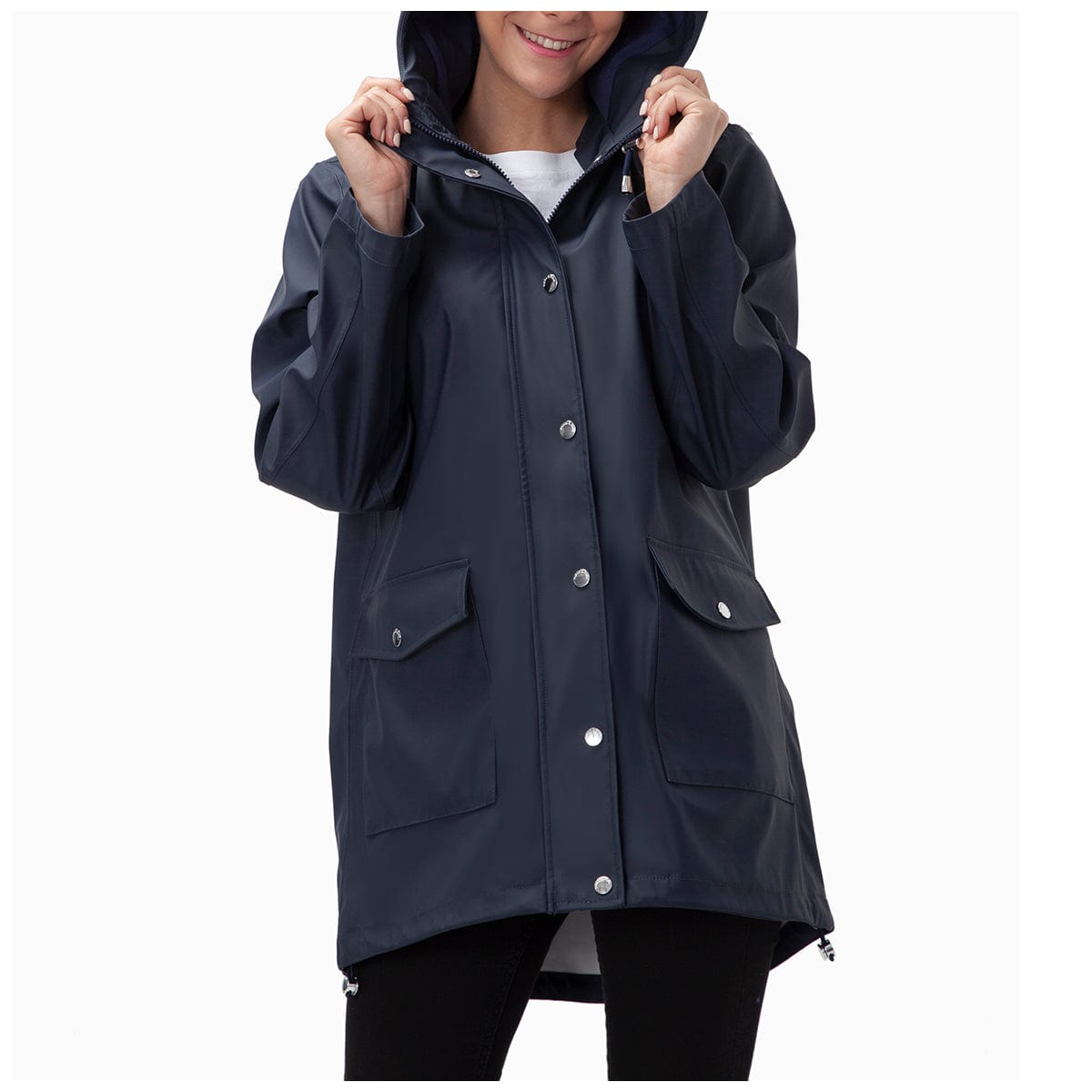
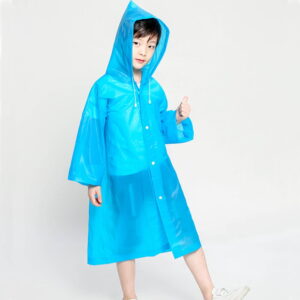
A stock image related to Rubber raincoat womens.
In-depth Look: Manufacturing Processes and Quality Assurance for Rubber raincoat womens
What Are the Key Stages in Manufacturing Rubber Raincoats for Women?
The manufacturing process of rubber raincoats for women involves several critical stages, each essential to ensuring the final product meets quality and performance standards.
1. Material Preparation
The first step in the manufacturing process is the selection and preparation of materials. Rubber, often combined with other materials such as polyester or nylon, provides the waterproofing necessary for raincoats. Suppliers typically source high-quality natural rubber or synthetic alternatives, which are then treated to enhance durability and flexibility. The preparation stage includes cutting the rubber into sheets and ensuring that all materials meet specified standards for waterproofing and breathability.
2. Forming the Product
Once the materials are prepared, the next stage is forming. This typically involves using techniques such as die-cutting or molding to create the various components of the raincoat. For instance, die-cutting allows manufacturers to produce precise shapes for the body, sleeves, and hoods of the raincoat. Advanced technologies like ultrasonic welding may be employed to join seams without the use of traditional stitching, which can create weak points in waterproof garments.
3. Assembly of Components
After forming, the various parts are assembled. This stage is crucial, as it involves stitching or welding the components together. Manufacturers often implement automated sewing machines for efficiency and consistency. The assembly stage also includes the installation of features such as zippers, buttons, and adjustable hoods, which are designed to enhance the functionality of the raincoat. Each feature must be carefully integrated to maintain the coat’s waterproof integrity.
4. Finishing Touches
The final stage is finishing, which includes applying any additional treatments or coatings to enhance performance characteristics. This may involve adding a water-repellent finish or antimicrobial treatments to the fabric. Quality inspections are conducted at this stage to ensure that the raincoats meet aesthetic and functional standards. This includes checking for color consistency, stitching quality, and functionality of zippers or fasteners.
What Quality Assurance Standards Are Relevant for Rubber Raincoat Manufacturing?
Quality assurance is a critical aspect of the manufacturing process for rubber raincoats, ensuring that products are safe, effective, and compliant with international standards.
International Standards and Certifications
For international B2B buyers, it is essential to understand the various standards that govern the manufacturing of raincoats. ISO 9001 is a widely recognized quality management standard that emphasizes a process approach to quality assurance. Compliance with ISO 9001 indicates that a manufacturer has established a quality management system that consistently meets customer and regulatory requirements.
Other relevant certifications include CE marking, which indicates conformity with health, safety, and environmental protection standards for products sold within the European Economic Area. The American Petroleum Institute (API) standards may also be applicable for specific waterproofing requirements in industrial contexts.
品質管理のチェックポイント
Quality control (QC) checkpoints are integral to maintaining high standards throughout the manufacturing process. These checkpoints typically include:
-
インカミング・クオリティ・コントロール(IQC): This stage involves inspecting raw materials before they enter the manufacturing process. Suppliers must provide certificates of compliance to ensure materials meet specified standards.
-
インプロセス品質管理(IPQC): During production, random samples are taken to assess the quality of assembly and construction. This includes checks for seam integrity, waterproof performance, and overall craftsmanship.
-
最終品質管理(FQC): Once the raincoats are fully assembled, final inspections are conducted to ensure they meet all specifications. This includes testing for waterproofing, checking for defects, and confirming that all features function properly.
How Can B2B Buyers Verify the Quality Control Processes of Suppliers?
B2B buyers must take proactive steps to verify the quality control processes of their suppliers, ensuring that they are sourcing reliable products.
Conducting Audits
One effective method for verifying supplier QC is through on-site audits. Buyers can evaluate the supplier’s manufacturing processes, quality management systems, and compliance with international standards. Audits allow buyers to assess the supplier’s commitment to quality and identify any potential risks in the supply chain.
Requesting Documentation and Reports
Buyers should also request documentation from suppliers, including quality assurance reports, test results, and compliance certificates. This documentation provides insights into the supplier’s quality control processes and helps buyers make informed decisions. It’s essential for buyers to review these documents thoroughly to ensure they align with their own quality standards and requirements.
Utilizing Third-Party Inspection Services
Engaging third-party inspection services can further enhance the verification process. These independent entities can conduct thorough inspections at various stages of production, providing unbiased assessments of product quality. Third-party inspections can be particularly valuable for international buyers, as they offer an additional layer of assurance regarding the supplier’s compliance with industry standards.
What Are the Specific QC and Certification Nuances for International B2B Buyers?
International B2B buyers must navigate various nuances in quality control and certification, particularly when sourcing from regions such as Africa, South America, the Middle East, and Europe.
Understanding Regional Standards
Different regions may have specific requirements and standards that manufacturers must adhere to. For instance, European buyers may require compliance with REACH (Registration, Evaluation, Authorisation and Restriction of Chemicals) regulations, which govern the use of chemical substances in products. Understanding these regional standards is vital for ensuring that the products meet local regulations and consumer expectations.
Cultural and Logistical Considerations
Cultural differences can also impact the quality assurance process. Buyers should be aware of the communication styles, business practices, and quality expectations in different regions. Establishing clear communication channels and expectations can help bridge any gaps and ensure that quality standards are met consistently.
In conclusion, understanding the manufacturing processes and quality assurance standards for rubber raincoats is crucial for B2B buyers. By focusing on material preparation, forming, assembly, and finishing, along with rigorous quality control measures, buyers can ensure they source high-quality products that meet international standards. Additionally, verifying supplier QC processes through audits, documentation, and third-party inspections will further enhance the reliability and trustworthiness of the supply chain.
Practical Sourcing Guide: A Step-by-Step Checklist for ‘Rubber raincoat womens’
In the competitive landscape of women’s rainwear, sourcing high-quality rubber raincoats requires a strategic approach. This guide provides a step-by-step checklist for international B2B buyers looking to procure rubber raincoats for women, ensuring that you make informed decisions that align with your business needs.
ステップ1: 技術仕様の定義
Establishing clear technical specifications is crucial for sourcing rubber raincoats that meet your market demands. Consider factors such as material composition, waterproofing standards, and design features like adjustable hoods or reflective elements. Detailing these specifications helps in communicating your requirements effectively to potential suppliers.
- Material Options: Look for high-quality rubber or rubberized fabrics that ensure durability and comfort.
- 機能的な特徴: Consider additional functionalities such as breathability and packability for various climates.
ステップ2: Identify Target Markets and Trends
Understanding your target market is essential for selecting the right products. Research current fashion trends, seasonal demands, and consumer preferences in regions like Africa, South America, the Middle East, and Europe. This insight will guide your product selection and help you tailor your offerings.
- 地域の好み: Different markets may favor specific colors, styles, or functionalities.
- Seasonal Variations: Plan for seasonal fluctuations in demand, especially in regions with distinct rainy seasons.
ステップ3: サプライヤー候補の評価
Before committing to any supplier, conduct thorough evaluations to ensure reliability and product quality. Request company profiles, product samples, and references from existing clients. A well-vetted supplier can significantly reduce risks and enhance your supply chain efficiency.
- 品質保証: Inquire about their quality control processes and certifications.
- 生産能力: Assess their ability to meet your order volumes and timelines.
ステップ4: Review Pricing and Payment Terms
Negotiating favorable pricing and payment terms is vital for maintaining profitability. Compare quotes from multiple suppliers, taking into account not only the unit price but also shipping costs and payment conditions. Understanding the total cost of ownership will help you make better financial decisions.
- 一括割引: Ask about pricing tiers for larger orders to maximize savings.
- 支払いの柔軟性: Look for suppliers that offer favorable payment terms to ease cash flow.
ステップ5: Check Compliance with Regulations
Ensure that the rubber raincoats meet local and international regulations regarding safety, environmental impact, and labeling. Compliance not only protects your business from legal issues but also builds consumer trust in your brand.
- Certification Requirements: Verify if the products meet necessary certifications for your target markets, such as REACH or OEKO-TEX.
- Sustainability Practices: Consider suppliers that adhere to sustainable manufacturing practices, which can enhance your brand’s reputation.
ステップ6: Establish Logistics and Supply Chain Management
A well-planned logistics strategy is essential for timely delivery and inventory management. Discuss shipping options, lead times, and warehousing solutions with your supplier to ensure a smooth procurement process.
- Shipping Methods: Evaluate different shipping methods for cost-effectiveness and speed.
- Inventory Levels: Plan for optimal inventory levels to prevent stockouts or overstock situations.
ステップ7: Build a Long-term Relationship with Suppliers
Fostering strong relationships with your suppliers can lead to better collaboration and innovation. Regular communication, feedback, and partnership can yield mutual benefits and enhance your competitive edge.
- Continuous Improvement: Work with suppliers to explore opportunities for product enhancements and new designs.
- フィードバック・ループ: Establish a system for providing feedback on product performance and quality to drive improvements.
By following these steps, B2B buyers can effectively navigate the complexities of sourcing rubber raincoats for women, ensuring they secure high-quality products that meet their business objectives.
Comprehensive Cost and Pricing Analysis for Rubber raincoat womens Sourcing
When sourcing rubber raincoats for women, understanding the comprehensive cost structure and pricing analysis is crucial for international B2B buyers. This analysis will cover the key cost components, price influencers, and provide actionable tips for buyers, particularly those operating in regions like Africa, South America, the Middle East, and Europe.
What Are the Key Cost Components in Rubber Raincoat Production?
The cost structure for rubber raincoats includes several essential components:
-
材料: The primary material used in rubber raincoats is high-quality rubber, often combined with other textiles for breathability and comfort. Costs can vary significantly based on the type of rubber (natural vs. synthetic), thickness, and any additional features like waterproofing treatments.
-
労働: Labor costs vary by region and the complexity of the manufacturing process. Countries with lower labor costs may provide a competitive edge, but quality assurance must be prioritized to avoid defects.
-
製造間接費: This includes utilities, factory maintenance, and administrative expenses. Efficient production processes can help minimize these costs, contributing to a more competitive price point.
-
工具: This refers to the equipment and molds needed for production. Initial tooling costs can be significant, especially for custom designs, but they are amortized over large production runs.
-
品質管理(QC): Ensuring that the products meet specific quality standards is essential, particularly for international markets. QC costs can include inspections, testing materials, and compliance with safety certifications.
-
物流: Transportation costs, including shipping and customs duties, are critical, especially for international shipments. The choice of Incoterms can significantly influence these costs, affecting the overall pricing strategy.
-
マージン: Finally, suppliers will add a profit margin, which can vary widely based on market competition, brand positioning, and perceived value.
How Do Price Influencers Impact Rubber Raincoat Costs?
Several factors can influence the final pricing of rubber raincoats:
-
数量/MOQ (最小注文数量): Larger orders typically lead to lower per-unit costs due to economies of scale. Negotiating MOQs can be beneficial for reducing costs.
-
仕様とカスタマイズ: Custom designs or specialized materials can raise costs. Buyers should weigh the benefits of customization against the price increase.
-
材料と品質認証: Higher-quality materials and certifications (e.g., eco-friendly or safety standards) usually result in higher costs. Buyers should evaluate whether these features justify the premium.
-
サプライヤー要因: The reliability, reputation, and location of the supplier can impact pricing. Established suppliers may charge more but offer better quality assurance and service.
-
インコタームズ: Understanding shipping terms is essential. Different Incoterms can shift costs and responsibilities between buyers and sellers, affecting the overall price.
What Tips Can Help Buyers Negotiate Better Prices for Rubber Raincoats?
-
Understand Total Cost of Ownership (TCO): Beyond the initial purchase price, consider logistics, potential tariffs, and future maintenance costs. This holistic view can guide more strategic sourcing decisions.
-
Negotiate with Multiple Suppliers: Soliciting quotes from various suppliers can provide leverage during negotiations. Highlighting competitive offers may encourage suppliers to provide better pricing or terms.
-
Leverage Long-term Relationships: Building strong relationships with suppliers can lead to better pricing over time. Consistent orders can encourage suppliers to offer discounts.
-
Focus on Quality: While cost is important, the quality of the raincoats can significantly affect customer satisfaction and brand reputation. Prioritize suppliers who can deliver both quality and value.
-
Be Aware of Regional Differences: Buyers from different regions may face unique challenges or advantages. Understanding local market dynamics can help in negotiating better terms and prices.
結論
Sourcing rubber raincoats for women requires a thorough understanding of the cost structure and pricing influences. By considering materials, labor, logistics, and supplier factors, B2B buyers can make informed decisions that align with their business objectives. Remember, prices can vary significantly based on the factors discussed, so continuous market research and supplier evaluation are essential for optimizing procurement strategies.
Alternatives Analysis: Comparing Rubber raincoat womens With Other Solutions
When considering women’s rainwear, the market offers various options beyond traditional rubber raincoats. Buyers should explore different alternatives to ensure they select the best product for their specific needs. Here, we compare rubber raincoats with lightweight waterproof jackets and hardshell rain jackets, highlighting their respective strengths and weaknesses.
| 比較の側面 | Rubber Raincoat Womens | Lightweight Waterproof Jacket | Hardshell Rain Jacket |
|---|---|---|---|
| パフォーマンス | Excellent waterproofing, durable in harsh conditions | Good waterproofing, lightweight and breathable | Superior waterproofing and wind resistance |
| コスト | Moderate to high ($300 – $640) | Affordable ($120 – $200) | Moderate to high ($160 – $295) |
| 実施しやすさ | Generally straightforward to wear | Easy to wear, often packable | Requires understanding of layering for optimal use |
| メンテナンス | Requires careful cleaning and storage | Low maintenance, machine washable | Requires specific care to maintain waterproofing |
| ベスト・ユースケース | Urban settings, fashion-oriented, colder climates | Casual outings, light rain, warmer climates | Extreme weather, outdoor activities, hiking |
What Are the Benefits and Drawbacks of Lightweight Waterproof Jackets?
Lightweight waterproof jackets are an excellent alternative for buyers seeking a balance between protection and mobility. These jackets are typically made from softshell or polyester materials that provide adequate waterproofing while remaining breathable. Their lightweight nature makes them ideal for casual outings and warmer climates, allowing for ease of movement. However, they may not offer the same level of protection against heavy downpours as rubber raincoats and can be less durable over time.
How Do Hardshell Rain Jackets Compare to Rubber Raincoats?
Hardshell rain jackets stand out for their superior waterproofing and wind resistance, making them an excellent choice for extreme weather conditions. Designed with advanced materials and sealed seams, they ensure that moisture is kept out while allowing for some breathability. This type of jacket is particularly suitable for outdoor activities such as hiking or camping. The downside is that hardshell jackets can be more expensive and may require careful maintenance to preserve their waterproof capabilities.
Conclusion: How Can B2B Buyers Choose the Right Rainwear Solution?
Selecting the right rainwear solution for women involves evaluating the specific needs of your target market. If your clientele prioritizes style and urban functionality, rubber raincoats may be the best fit. Conversely, for businesses catering to casual consumers or outdoor enthusiasts, lightweight waterproof jackets or hardshell rain jackets could provide greater appeal. By analyzing factors such as performance, cost, and intended use, B2B buyers can make informed decisions that align with customer expectations and market trends.
Essential Technical Properties and Trade Terminology for Rubber raincoat womens
What Are the Key Technical Properties of Rubber Raincoats for Women?
When considering rubber raincoats for women, several technical properties are essential for B2B buyers to understand. These properties not only influence the product’s performance but also its marketability and compliance with safety standards.
-
素材グレード
The material grade refers to the quality and specifications of the rubber used in the raincoat. High-grade natural rubber is often preferred due to its elasticity, durability, and water resistance. For B2B buyers, selecting the right material grade ensures that the product can withstand harsh weather conditions, appealing to consumers in diverse climates, particularly in regions prone to heavy rainfall. -
防水等級
This rating indicates the level of water resistance provided by the raincoat. It is usually measured in millimeters (mm) of water pressure the fabric can withstand before leaking. A higher rating (e.g., 5000 mm) means better waterproof performance. Buyers should prioritize products with higher ratings to ensure customer satisfaction, especially in markets with frequent and intense rainfall. -
通気性
Breathability refers to the fabric’s ability to allow moisture vapor to escape while preventing water from entering. This property is crucial for comfort, as it prevents overheating and keeps the wearer dry from sweat. B2B buyers should consider breathable fabrics to enhance the user experience, particularly in warmer climates where humidity is a concern. -
重量と梱包性
The weight of the raincoat affects its portability and ease of use. Lightweight materials are preferable for consumers who may need to carry the coat during travel. Packability, or the ability to fold the coat into a compact size, adds value for buyers targeting active consumers. Ensuring that products are lightweight yet durable can enhance sales potential. -
フィット感とデザインの特徴
The fit of a raincoat can vary widely, from tailored styles to looser fits. Design features such as adjustable hoods, reflective strips, and pockets enhance functionality and style. For B2B buyers, understanding the target demographic’s preferences in fit and design can significantly influence purchasing decisions.
What Are Common Trade Terms Related to Women’s Rubber Raincoats?
Familiarity with industry jargon is crucial for effective communication and negotiation in the B2B landscape. Here are some common terms that buyers should know:
-
OEM(相手先ブランド製造)
An OEM refers to a company that produces parts or products that are used in another company’s end product. In the context of rubber raincoats, working with OEMs allows buyers to customize designs and materials to meet specific market demands. -
MOQ(最小注文数量)
MOQ is the smallest quantity of a product that a supplier is willing to sell. Understanding MOQ is essential for B2B buyers as it affects inventory management and cost efficiency. Suppliers may set MOQs based on production costs and demand forecasts. -
RFQ(見積依頼)
An RFQ is a document sent to suppliers requesting pricing and availability for specific products. For B2B buyers, submitting an RFQ helps gather essential information to compare suppliers and make informed purchasing decisions. -
インコタームズ(国際商業取引用語)
Incoterms define the responsibilities of buyers and sellers in international transactions. Terms such as FOB (Free on Board) or CIF (Cost, Insurance, and Freight) clarify who bears the risk and cost at various points in the shipping process. Understanding Incoterms is vital for B2B buyers to manage logistics and avoid unexpected costs. -
リードタイム
Lead time is the period between placing an order and receiving the goods. For buyers, understanding lead times is crucial for planning inventory and meeting customer demand, especially in regions with unpredictable weather patterns.
By grasping these technical properties and trade terms, B2B buyers can make informed decisions that enhance their product offerings and align with market expectations.
Navigating Market Dynamics and Sourcing Trends in the Rubber raincoat womens Sector
What Are the Current Market Dynamics and Key Trends in the Rubber Raincoat Women’s Sector?
The rubber raincoat market for women is experiencing significant growth, fueled by changing consumer preferences towards stylish yet functional outerwear. Globally, there is an increasing demand for high-performance waterproof materials that not only provide protection against the elements but also align with contemporary fashion trends. Key drivers include the rise of urbanization, where consumers seek versatile clothing for commuting and outdoor activities, and the growing popularity of eco-friendly products. International B2B buyers, especially from regions like Africa, South America, the Middle East, and Europe, are focusing on sourcing high-quality rainwear that combines durability with aesthetic appeal.
Emerging technologies in sourcing, such as digital supply chain platforms and advanced analytics, are shaping how businesses connect with manufacturers. These tools enable buyers to evaluate suppliers based on quality, pricing, and sustainability practices, ensuring better decision-making. Additionally, the trend towards customization is gaining traction, with buyers seeking options that allow for personalized designs and functionalities tailored to local climates and cultural preferences.
How Is Sustainability and Ethical Sourcing Transforming the Rubber Raincoat Industry?
Sustainability is becoming a cornerstone of the rubber raincoat women’s sector, with an increasing emphasis on minimizing environmental impact throughout the supply chain. B2B buyers are now prioritizing suppliers who utilize eco-friendly materials, such as natural rubber and recycled textiles, to produce raincoats. The importance of ethical sourcing cannot be overstated; companies that maintain transparent supply chains and adhere to fair labor practices are more likely to earn the trust of consumers and partners alike.
Green certifications, such as Global Organic Textile Standard (GOTS) and OEKO-TEX, are essential for manufacturers aiming to demonstrate their commitment to sustainability. These certifications assure buyers that the products meet rigorous environmental and social criteria, which is becoming a crucial factor in purchasing decisions. As global consumers become more environmentally conscious, B2B buyers must adapt their sourcing strategies to reflect these values, ensuring that the products they offer resonate with eco-aware markets.
How Has the Rubber Raincoat Women’s Sector Evolved Over Time?
The evolution of women’s rubber raincoats can be traced back to their initial utilitarian design aimed at providing protection against wet weather. Over the decades, advancements in material technology have transformed these garments into fashionable items that blend practicality with style. The introduction of lightweight and breathable fabrics has expanded their usability beyond mere rain protection, making them suitable for various outdoor activities.
In recent years, the demand for stylish designs has surged, with brands focusing on aesthetics without compromising functionality. This shift reflects a broader trend in the fashion industry towards inclusivity and versatility, as consumers seek clothing that can transition seamlessly from outdoor adventures to urban environments. As the market continues to evolve, B2B buyers must stay attuned to these changes, aligning their product offerings with the modern consumer’s expectations for both style and performance.
Frequently Asked Questions (FAQs) for B2B Buyers of Rubber raincoat womens
-
1. How do I ensure the quality of rubber raincoats when sourcing internationally?
To ensure the quality of rubber raincoats, it is crucial to conduct thorough supplier vetting. Request samples to assess the material, craftsmanship, and waterproof capabilities. Consider reviewing certifications and compliance with international quality standards, such as ISO or ASTM. Establish quality assurance protocols, including factory audits and third-party inspections, to maintain consistent quality throughout the production process. Building a strong relationship with suppliers can also facilitate better communication regarding quality expectations. -
2. What are the best materials for women’s rubber raincoats?
The best materials for women’s rubber raincoats include natural rubber, which offers excellent waterproofing and durability, and synthetic alternatives like PVC or polyurethane for cost-effective options. Lightweight polyester blends are also popular for their breathability and comfort. It’s essential to choose materials that can withstand harsh weather conditions while providing flexibility and ease of movement. Consider the specific climate and intended use when selecting the material, as this can impact the performance and longevity of the raincoat. -
3. What customization options are available for rubber raincoats?
Customization options for rubber raincoats often include color selection, size variations, and branding elements such as logos or specific design features. Some manufacturers may also offer custom patterns or styles to cater to unique market preferences. Discuss your requirements with suppliers to explore the feasibility and costs associated with customization. Remember to consider the minimum order quantity (MOQ) when planning for customized products, as this can affect your overall budget and inventory strategy. -
4. What is the minimum order quantity (MOQ) for rubber raincoats?
The MOQ for rubber raincoats varies significantly between suppliers and can range from as low as 50 to over 500 units, depending on the manufacturer’s capabilities and production processes. It’s essential to clarify the MOQ during negotiations to ensure it aligns with your purchasing needs. Some suppliers may offer flexibility for first-time orders or smaller businesses, while others may maintain strict MOQs due to production costs. Always assess the potential for scalability in your orders as your business grows. -
5. What payment terms should I expect when purchasing rubber raincoats?
Payment terms can vary widely among suppliers, but common practices include a 30% deposit upon order confirmation with the remaining balance due before shipment. Some suppliers may offer net 30 or net 60 terms depending on your relationship and negotiation strength. It’s crucial to establish clear payment terms upfront to avoid misunderstandings. Consider using secure payment methods such as letters of credit or escrow services, especially in international transactions, to mitigate risk. -
6. How can I effectively manage logistics for sourcing rubber raincoats?
Effective logistics management involves selecting reliable shipping partners and understanding customs regulations in both the exporting and importing countries. Plan for lead times that include production, shipping, and potential delays at customs. Utilize freight forwarders who specialize in international shipments to handle documentation and compliance. Additionally, consider warehousing options if you anticipate high demand, allowing for quicker distribution once the products arrive. Communication with your supplier about logistics can also facilitate smoother operations. -
7. What are the common challenges faced in sourcing rubber raincoats internationally?
Common challenges in international sourcing include navigating trade regulations, tariffs, and customs clearance procedures that can delay shipments. Quality control can also be a concern, especially when dealing with overseas suppliers. Language barriers and cultural differences may impact communication and negotiations. Additionally, fluctuations in shipping costs and exchange rates can affect your overall budget. To mitigate these issues, conduct thorough research, build strong relationships with suppliers, and consider engaging local experts to assist in the sourcing process. -
8. How do I stay updated on trends in women’s rubber raincoats?
Staying updated on trends in women’s rubber raincoats involves following industry publications, attending trade shows, and engaging with fashion and textile networks. Utilize social media platforms and fashion blogs to monitor emerging styles, colors, and materials that appeal to consumers. Subscribe to newsletters from leading brands and manufacturers to receive insights into new product launches and innovations. Networking with other B2B buyers can also provide valuable information on market demands and consumer preferences, helping you stay competitive in the market.
重要な免責事項および利用規約
⚠️ 重要な免責事項
メーカー、技術仕様、市場分析に関する内容を含め、本ガイドラインで提供される情報は、情報提供と教育目的のみのものです。専門的な調達アドバイス、財務アドバイス、または法的アドバイスを提供するものではありません。
情報の正確性、最新性には万全を期していますが、誤謬、脱漏、古い情報については責任を負いかねます。市場の状況、企業の詳細、技術水準は変更される場合があります。
B2Bバイヤーは、独自の徹底的なデューデリジェンスを実施しなければならない。 購入を決定する前に。これには、サプライヤーに直接問い合わせること、認定を確認すること、サンプルを請求すること、専門家に相談することなどが含まれる。本ガイドブックに記載された情報を信頼するリスクは、読者が負うものとします。
Top 3 Rubber Raincoat Womens Manufacturers & Suppliers List
1. Stutterheim – Women’s Rainwear
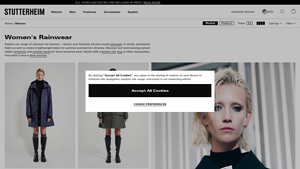
ドメイン stutterheim.com
Registered: 2001 (24 years)
はじめに Women’s Rainwear – Stylish & Waterproof, includes Coats & Jackets, Raincoats, Long Raincoats, Winter Coats, Trench Coats, Knitwear, and Bottoms. Collaborations include STUTTERHEIM x Lyle & Scott. Collections available: New Arrivals, Best Sellers, STUTTERHEIM Classics, Opal Collection, Core Collection, Lightweight Collection, Travel Collection, Archive, and Sale.
2. Reddit – Women’s Waterproof Raincoat
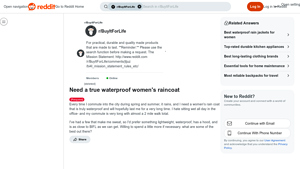
ドメイン レッドディット・コム
登録:2005年(20年)
はじめに A women’s raincoat that is truly waterproof, lightweight, has a hood, and is durable enough to last a long time. The user is willing to spend more for quality and prefers a coat that does not cause sweating during use.
3. ASOS – Women’s Waterproof Jackets
ドメイン asos.com
Registered: 2000 (25 years)
はじめに This company, ASOS – Women’s Waterproof Jackets, is a notable entity in the market. For specific product details, it is recommended to visit their website directly.
Strategic Sourcing Conclusion and Outlook for Rubber raincoat womens
In the evolving landscape of women’s rainwear, particularly rubber raincoats, strategic sourcing emerges as a crucial driver for success in B2B operations. By prioritizing quality materials, such as durable rubber and waterproof textiles, businesses can meet the growing demand for stylish yet functional rainwear. International buyers, especially from regions like Africa, South America, the Middle East, and Europe, should focus on establishing strong relationships with manufacturers who offer innovative designs and sustainable production practices.
Leveraging insights from market trends—such as the preference for lightweight and breathable options—can help buyers tailor their offerings to local consumer preferences. Understanding regional climate variations will also enhance product relevance, ensuring that inventory aligns with seasonal demands.
As we look to the future, the potential for growth in the rubber raincoat segment remains robust. B2B buyers are encouraged to explore diverse supplier options, invest in quality assurance, and embrace eco-friendly initiatives. By doing so, they can not only enhance their product lines but also contribute to a more sustainable fashion industry. Engage with trusted manufacturers today to secure your competitive edge in this thriving market.


 Japanese
  English
  Russian
  Spanish
  Arabic
  Portuguese
  German
  Vietnamese
  Korean