
Introduction: Navigating the Global Market for womens pvc raincoat
In the ever-evolving global marketplace, sourcing high-quality women’s PVC raincoats presents unique challenges for B2B buyers. With varying climates and consumer preferences across regions like Africa, South America, the Middle East, and Europe, it is essential to understand the nuances of this product category. PVC raincoats are not only designed for waterproof protection but also cater to specific applications, from outdoor workwear to fashionable urban wear. This guide aims to equip international buyers with the insights needed to make informed purchasing decisions, covering a comprehensive range of topics, including types of PVC raincoats, their applications, supplier vetting processes, and cost considerations.
Navigating the complexities of the women’s PVC raincoat market requires a strategic approach. Buyers must evaluate factors such as durability, style, and functionality to meet diverse customer needs. Additionally, understanding the supply chain dynamics and potential sourcing partners can greatly influence the success of procurement efforts. By leveraging the information presented in this guide, B2B buyers can confidently navigate the global market, ensuring they acquire products that not only meet quality standards but also resonate with their target audience. Empowered with this knowledge, businesses can enhance their offerings and drive sales in a competitive landscape, ultimately positioning themselves as leaders in the women’s rainwear segment.
Understanding womens pvc raincoat Types and Variations
| Type Name | Key Distinguishing Features | Primary B2B Applications | Brief Pros & Cons for Buyers |
|---|---|---|---|
| Standard PVC Raincoat | Heavyweight, fully waterproof, no breathability | Construction, fishing, outdoor events | Pros: Durable, effective in heavy rain. Cons: Can be hot, less comfortable for prolonged wear. |
| Lightweight PVC Raincoat | Thinner material, more packable, some breathability | Travel, outdoor activities, casual wear | Pros: Easier to carry, more comfortable. Cons: Less durable in extreme conditions. |
| Fashion PVC Raincoat | Stylish designs, varied colors, often with additional features | Retail, fashion, events | Pros: Appeals to trend-conscious consumers. Cons: May sacrifice performance for aesthetics. |
| Insulated PVC Raincoat | Added insulation for colder climates | Winter sports, outdoor work in cold areas | Pros: Provides warmth, retains waterproof features. Cons: Bulkier, may limit movement. |
| Multi-functional PVC Jacket | Features like adjustable hoods, pockets, and zippers | Versatile use across industries | Pros: Adaptable for various weather conditions. Cons: May be more expensive due to added features. |
What are the Characteristics of Standard PVC Raincoats?
Standard PVC raincoats are designed for extreme waterproofing, making them ideal for demanding environments such as construction sites or fishing expeditions. These heavy-duty coats are made from robust PVC material that ensures water rolls off without penetrating the fabric. While they provide excellent protection, buyers should consider their lack of breathability, which can lead to discomfort during extended wear. For B2B buyers, investing in standard PVC raincoats is a solid choice for industries where durability and waterproof performance are non-negotiable.
How Do Lightweight PVC Raincoats Compare for B2B Use?
Lightweight PVC raincoats are crafted from thinner materials that offer some level of breathability, making them suitable for casual outdoor activities and travel. Their packability is a significant advantage for businesses that require employees to be mobile and prepared for sudden weather changes. However, while they provide comfort, they may not withstand the same level of harsh conditions as their heavier counterparts. B2B buyers should weigh the need for portability against the potential for reduced durability in challenging environments.
What Makes Fashion PVC Raincoats Attractive for Retail?
Fashion PVC raincoats combine style with function, appealing to consumers looking for trendy outerwear that can withstand the rain. Available in various colors and designs, these raincoats are particularly suitable for retail environments where aesthetics matter. While they may attract a fashion-conscious audience, B2B buyers must be cautious, as these designs can sometimes compromise the performance characteristics of traditional rain gear. Ensuring that the product meets both style and functionality is critical for successful retail strategies.
Why Choose Insulated PVC Raincoats for Cold Weather Applications?
Insulated PVC raincoats are specifically designed to provide warmth in colder climates while maintaining waterproof capabilities. These jackets are particularly useful for industries that operate in frigid conditions, such as winter sports or outdoor labor. The added insulation makes them bulkier, which may limit mobility, but they offer excellent protection against both cold and wet weather. B2B buyers looking to equip teams in cold regions should consider these coats a valuable investment for employee comfort and safety.
What Advantages Do Multi-functional PVC Jackets Offer for Diverse Industries?
Multi-functional PVC jackets are designed with added features such as adjustable hoods, pockets, and zippers, making them versatile for various weather conditions and activities. These jackets can be used across multiple industries, from outdoor recreation to emergency services, where adaptability is key. While they may come at a higher price point due to their enhanced features, the investment can pay off by providing employees with a reliable, all-in-one solution for unpredictable weather. B2B buyers should evaluate the specific needs of their workforce to determine if these jackets align with their operational requirements.
Key Industrial Applications of womens pvc raincoat
| Industry/Sector | Specific Application of womens pvc raincoat | Value/Benefit for the Business | Key Sourcing Considerations for this Application |
|---|---|---|---|
| Agriculture | Fieldwork during rainy seasons | Protects workers from harsh weather, ensuring safety and productivity | Durability, waterproofing, and ease of movement in the field |
| Fishing and Aquaculture | Fishing trips and aquaculture operations | Keeps workers dry and comfortable, enhancing efficiency and safety | Resistance to saltwater, ease of cleaning, and fit for mobility |
| Construction | Outdoor construction sites | Shields workers from rain, minimizing downtime and maintaining project timelines | Compliance with safety regulations, visibility, and comfort |
| Logistics and Transport | Delivery and transport in inclement weather | Ensures personnel remain dry, reducing health risks and improving morale | Lightweight design, packability, and ease of storage |
| Hospitality and Events | Outdoor events and catering services | Provides staff with professional appearance while ensuring protection from rain | Fashionable yet functional design, breathability, and ease of care |
How is ‘womens pvc raincoat’ Used in Agriculture?
In the agriculture sector, women’s PVC raincoats are essential for fieldwork during rainy seasons. They provide robust protection against wet conditions, allowing workers to focus on tasks without the distraction of discomfort or safety hazards. Buyers in this sector should prioritize durability and waterproofing features, as well as the ability to allow for ease of movement while performing various agricultural tasks. International B2B buyers, especially from regions like Africa and South America, should also consider local climate conditions when sourcing these raincoats to ensure they meet specific agricultural needs.
What Role Does ‘womens pvc raincoat’ Play in Fishing and Aquaculture?
In fishing and aquaculture operations, women’s PVC raincoats are critical for keeping personnel dry and comfortable during extended periods on the water or in wet environments. These raincoats protect against the elements while ensuring safety and efficiency, vital for operations that require workers to handle equipment and catch effectively. Buyers should focus on sourcing raincoats that are resistant to saltwater and easy to clean, as these features enhance longevity and usability. In regions like the Middle East and Europe, where fishing is a significant industry, these considerations are paramount.
How Does ‘womens pvc raincoat’ Benefit Construction Workers?
Construction sites often face unpredictable weather, making women’s PVC raincoats a necessary component of workers’ safety gear. These raincoats protect against rain, ensuring that construction projects can proceed without unnecessary delays. For B2B buyers in the construction industry, it’s important to consider raincoats that comply with safety regulations, offer visibility features, and provide comfort for long hours on site. In regions with heavy rainfall, such as parts of Europe, the ability to source high-quality, durable raincoats can significantly impact project timelines and worker safety.
In What Ways is ‘womens pvc raincoat’ Useful in Logistics and Transport?
In logistics and transport, particularly in regions prone to inclement weather, women’s PVC raincoats are vital for ensuring that delivery personnel remain dry while performing their duties. This not only reduces health risks associated with exposure to cold and wet conditions but also boosts worker morale and productivity. Buyers should consider lightweight designs that are easy to store and transport, as these factors can enhance operational efficiency. For international buyers, particularly in Africa and South America, sourcing raincoats that are both functional and practical for various transport scenarios is crucial.
How Does ‘womens pvc raincoat’ Enhance Hospitality and Events?
In the hospitality sector, especially for outdoor events and catering services, women’s PVC raincoats serve a dual purpose: they protect staff from rain while maintaining a professional appearance. This is particularly important in regions where outdoor events are common, and weather can be unpredictable. Buyers should look for fashionable yet functional designs that are easy to care for, as this can enhance the overall guest experience. In markets like the Middle East and Europe, where outdoor events are frequent, sourcing stylish raincoats that meet these criteria can be a competitive advantage.

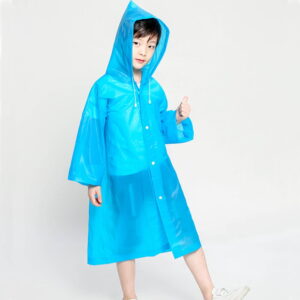
A stock image related to womens pvc raincoat.
3 Common User Pain Points for ‘womens pvc raincoat’ & Their Solutions
Scenario 1: Sourcing Durable PVC Raincoats for Diverse Climates
The Problem: B2B buyers often struggle to find women’s PVC raincoats that can withstand various climate conditions, especially in regions like Africa and the Middle East, where weather can be unpredictable. Buyers may encounter products that either do not provide adequate waterproofing or are not durable enough for harsh environments. This can lead to increased returns, dissatisfied customers, and potential damage to the company’s reputation.
The Solution: To effectively source durable PVC raincoats, buyers should prioritize manufacturers who specialize in heavy-duty rainwear designed for extreme weather conditions. Look for products that feature high-quality PVC material known for its impermeability and resilience. Request samples to assess the weight, flexibility, and overall quality of the fabric. Additionally, consider suppliers that provide detailed specifications on waterproof ratings and durability tests. Establishing partnerships with trusted brands, like Carhartt or Grundens, known for their rugged outdoor gear can ensure you stock products that meet the needs of your target market. Implementing quality assurance checks upon receiving shipments can also mitigate issues related to durability.
Scenario 2: Balancing Breathability and Waterproofing
The Problem: Many B2B buyers face a significant challenge in finding women’s PVC raincoats that offer a balance between waterproofing and breathability. This is particularly critical for regions with humid climates, where moisture build-up inside the jacket can lead to discomfort and dissatisfaction among end-users. A product that fails to address this need can result in high return rates and reduced customer loyalty.
The Solution: To address the breathability issue, buyers should consider sourcing PVC raincoats that incorporate ventilation features, such as mesh linings or adjustable vents. While pure PVC may not be breathable, some manufacturers blend materials or incorporate designs that enhance airflow. When negotiating with suppliers, emphasize the importance of breathability alongside waterproofing. Request technical data sheets that detail the garment’s moisture-wicking properties and any design features aimed at improving comfort. Educating your sales team on the importance of these features can help them better communicate the benefits to potential customers, ultimately leading to increased sales.
Scenario 3: Addressing Size and Fit Variability
The Problem: A common pain point for B2B buyers is the variability in sizing and fit across different brands of women’s PVC raincoats. This can lead to challenges in inventory management and customer satisfaction, especially in international markets where sizing standards may differ. Discrepancies in fit can result in returns and exchanges, complicating the purchasing process and affecting profit margins.
The Solution: To effectively manage sizing variability, buyers should adopt a strategy of sourcing from manufacturers that offer detailed size guides and fitting samples. Collaborate with suppliers to obtain sizing charts that reflect international standards, ensuring that they are well-defined and easy to understand. Consider requesting a range of samples in various sizes to evaluate fit before making bulk purchases. Additionally, implementing a flexible return policy can encourage retailers to stock a broader range of sizes without the fear of excess inventory. Providing clear communication about sizing and fit to end-users can also help manage expectations and reduce the likelihood of returns.
Strategic Material Selection Guide for womens pvc raincoat
What Are the Key Materials Used in Women’s PVC Raincoats?
When selecting materials for women’s PVC raincoats, understanding the properties, advantages, and limitations of various materials is crucial for B2B buyers. This guide focuses on four common materials used in the manufacturing of PVC raincoats: PVC (Polyvinyl Chloride), PU (Polyurethane), Nylon, and Polyester. Each material has unique characteristics that can significantly impact product performance, manufacturing complexity, and market suitability.
How Does PVC Perform in Raincoat Applications?
PVC is the primary material used in many raincoats due to its excellent waterproof properties. It has a high resistance to water, making it ideal for heavy rainfall conditions. PVC can withstand a wide range of temperatures, typically from -10°C to 60°C, and is resistant to corrosion from various chemicals, which is beneficial for outdoor activities.
Pros and Cons: PVC raincoats are durable and offer a long service life, but they can be less breathable than other materials, leading to discomfort in warmer climates. The manufacturing process for PVC can be complex, requiring specific machinery and expertise, which may increase production costs.
Impact on Application: For international buyers, especially in regions like Africa and the Middle East, the waterproof nature of PVC is advantageous in areas with heavy rainfall. However, compliance with local environmental regulations regarding PVC usage is essential.
What Role Does PU Play in Women’s Raincoats?
Polyurethane (PU) is often used as a coating on fabrics to enhance waterproofing while providing some breathability. PU raincoats are generally lighter than their PVC counterparts, making them more comfortable for prolonged wear.
Pros and Cons: The key advantage of PU is its flexibility and comfort, but it may not be as durable as PVC in extreme conditions. The production process for PU can be less complex, potentially reducing costs, but the final product may have a shorter lifespan.
Impact on Application: B2B buyers from Europe and South America may prefer PU for its environmental benefits, as it is often seen as a more eco-friendly alternative to PVC. Compliance with EU regulations regarding chemical emissions is a critical consideration.
How Do Nylon and Polyester Compare in Raincoat Manufacturing?
Nylon and polyester are synthetic fibers that are often blended with PVC or PU to enhance durability and comfort. These materials are lightweight, offer good abrasion resistance, and can be treated for waterproofing.
Pros and Cons: Both materials are generally more breathable than PVC, making them suitable for warmer climates. However, they may require additional coatings to achieve full waterproof capabilities, which can complicate the manufacturing process and increase costs.
Impact on Application: For buyers in humid regions like Nigeria, choosing a blend of nylon or polyester with PVC can enhance comfort without sacrificing waterproofing. Understanding local market preferences for lightweight and breathable fabrics is essential for product acceptance.
Summary Table of Material Selection for Women’s PVC Raincoats
| Material | Typical Use Case for womens pvc raincoat | Key Advantage | Key Disadvantage/Limitation | Relative Cost (Low/Med/High) |
|---|---|---|---|---|
| PVC | Heavy-duty rain protection | Excellent waterproof properties | Less breathable, can be uncomfortable | Medium |
| PU | Lightweight, flexible rainwear | Breathable and comfortable | Less durable under extreme conditions | Medium |
| Nylon | Lightweight, abrasion-resistant rainwear | Good abrasion resistance | Requires additional waterproofing | Medium |
| Polyester | Blended with PVC for enhanced comfort | Lightweight and breathable | May need coatings for full waterproofing | Medium |
This guide provides B2B buyers with actionable insights into material selection for women’s PVC raincoats, considering performance, cost, and regional preferences. Understanding these factors will aid in making informed purchasing decisions that align with market demands and compliance standards.

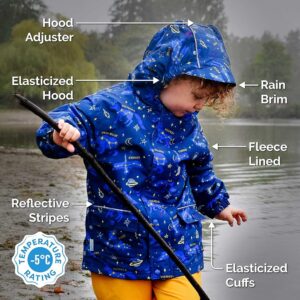
A stock image related to womens pvc raincoat.
In-depth Look: Manufacturing Processes and Quality Assurance for womens pvc raincoat
What Are the Key Stages in the Manufacturing Process of Women’s PVC Raincoats?
Manufacturing women’s PVC raincoats involves several critical stages, each focusing on different aspects of production to ensure a high-quality final product. These stages include material preparation, forming, assembly, and finishing.
-
Material Preparation: The first step involves sourcing high-quality PVC (polyvinyl chloride) material, which is essential for producing durable and waterproof raincoats. Suppliers should ensure that the PVC is free from harmful additives and meets international standards for safety and environmental impact. Materials are typically tested for thickness, flexibility, and waterproof capabilities before proceeding to the next stage.
-
Forming: This stage involves cutting the prepared PVC sheets into the required patterns for raincoats. Advanced cutting techniques, such as die-cutting or laser cutting, are often employed to ensure precision. The patterns are designed to maximize fabric usage and minimize waste. Additionally, manufacturers may incorporate features such as pockets and ventilation openings during this stage to enhance functionality.
-
Assembly: Once the components are cut, they are sewn together using specialized stitching techniques to ensure waterproof seams. Double-stitching and heat sealing are common methods used to prevent water ingress. Manufacturers need to carefully consider thread type and sewing techniques to maintain the integrity of the waterproofing.
-
Finishing: The final stage includes adding any necessary finishing touches, such as zippers, buttons, and labels. Quality control checks are crucial during this phase to ensure that all components are securely attached and function properly. Additionally, the raincoat’s aesthetic appeal is enhanced through the application of colors and prints that align with current fashion trends.
How Is Quality Assurance Implemented in the Production of Women’s PVC Raincoats?
Quality assurance (QA) is a vital component in the manufacturing of women’s PVC raincoats, ensuring that the final products meet both customer expectations and regulatory standards. Implementing a robust QA framework involves adhering to international standards and establishing systematic checkpoints throughout the production process.
-
What International Standards Should B2B Buyers Be Aware Of?
– ISO 9001: This standard focuses on quality management systems and is essential for manufacturers seeking to ensure consistent quality in their production processes. Compliance with ISO 9001 can enhance supplier credibility and provide assurance of quality.
– CE Marking: For products sold in the European market, CE marking indicates compliance with safety, health, and environmental protection standards. This is particularly important for PVC raincoats, which must meet specific criteria related to chemical safety and durability.
– API Standards: For raincoats intended for specific industries, such as fishing or industrial use, adherence to American Petroleum Institute (API) standards may be required to ensure that the materials can withstand harsh environments. -
What Are the Key Quality Control Checkpoints?
– Incoming Quality Control (IQC): This checkpoint occurs at the beginning of the manufacturing process, where raw materials are inspected for quality and compliance with specifications. This is critical for ensuring that only high-quality PVC is used.
– In-Process Quality Control (IPQC): Throughout the manufacturing stages, ongoing inspections are conducted to identify and rectify defects early. This includes evaluating the precision of cuts, the strength of seams, and the functionality of components.
– Final Quality Control (FQC): Before shipment, the finished raincoats undergo a thorough inspection to ensure they meet all quality standards. This includes checking for waterproofing, overall fit, and aesthetic quality. -
What Common Testing Methods Are Used to Ensure Quality?
– Waterproof Testing: Manufacturers often conduct hydrostatic pressure tests to verify the waterproof capabilities of the raincoat fabric. This ensures that the product can withstand varying levels of water exposure.
– Tensile Strength Testing: This test assesses the durability and strength of the fabric and seams, ensuring that the raincoat can withstand physical stress without tearing or degrading.
– Chemical Testing: To ensure safety, especially for products aimed at sensitive markets, manufacturers may conduct tests to check for harmful substances, ensuring compliance with regulations like REACH in Europe.
How Can B2B Buyers Verify Supplier Quality Control Measures?
For international B2B buyers, particularly from regions like Africa, South America, the Middle East, and Europe, verifying a supplier’s quality control measures is essential for ensuring product reliability and compliance with local regulations.
-
Conducting Supplier Audits: Regular audits can be conducted to evaluate a supplier’s manufacturing processes, quality control systems, and adherence to international standards. This provides buyers with firsthand insight into the supplier’s operational capabilities.
-
Requesting Quality Reports: Suppliers should be willing to provide detailed quality assurance reports, which outline their QA processes, testing results, and compliance certifications. Reviewing these documents can help buyers assess the supplier’s commitment to quality.
-
Engaging Third-Party Inspectors: Utilizing third-party inspection services can provide an unbiased evaluation of a supplier’s products and processes. This is particularly beneficial when buyers are unable to visit manufacturing facilities due to geographic constraints.
What Are the Specific Quality Control Considerations for International B2B Buyers?
International buyers must be aware of specific nuances when evaluating quality control measures, particularly regarding compliance with regional regulations and market expectations.
-
Understanding Regional Standards: Different markets may have unique requirements regarding product safety, environmental impact, and material specifications. Buyers should familiarize themselves with these standards to ensure compliance and avoid potential import issues.
-
Cultural Sensitivity in Quality Expectations: Buyers from diverse regions may have varying expectations regarding product quality, aesthetics, and functionality. Engaging in open communication with suppliers about these expectations can lead to better alignment and satisfaction.
-
Adapting to Supply Chain Challenges: Global supply chains can introduce variability in quality. Buyers should consider establishing long-term relationships with trusted suppliers who have demonstrated reliability and consistency in their quality control processes.
By understanding these manufacturing processes and quality assurance measures, B2B buyers can make informed decisions when sourcing women’s PVC raincoats, ensuring they receive products that meet both their specifications and market demands.
Practical Sourcing Guide: A Step-by-Step Checklist for ‘womens pvc raincoat’
In the competitive landscape of sourcing women’s PVC raincoats, this practical guide serves as an essential checklist for B2B buyers. Ensuring that you select the right products and suppliers can significantly impact your business’s reputation and profitability. Follow these steps to streamline your procurement process effectively.
Step 1: Define Your Technical Specifications
Clearly outline the specifications of the women’s PVC raincoats you need. Consider factors such as waterproofing levels, thickness of the PVC material, and any specific features like pockets or zippers. This step is crucial as it sets the foundation for your sourcing process and ensures that you communicate your requirements effectively to potential suppliers.
Step 2: Research Market Trends and Consumer Preferences
Stay updated on current market trends and consumer preferences, especially in your target regions such as Africa, South America, the Middle East, and Europe. Understanding what styles, colors, and functionalities are in demand will help you select products that are more likely to sell. Utilize industry reports, social media insights, and competitor analysis to gather relevant data.
Step 3: Evaluate Potential Suppliers
Before committing to a supplier, conduct a thorough evaluation. Look for company profiles, product catalogs, and reviews from other buyers in similar markets. This step is vital to ensure that the suppliers can meet your quality and delivery expectations.
- Check Certifications: Verify that suppliers comply with international quality standards and safety regulations.
- Assess Manufacturing Capabilities: Ensure they can produce the required volume and maintain consistent quality.
Step 4: Request Samples for Quality Assessment
Always request samples of the women’s PVC raincoats to evaluate their quality firsthand. Assess the material’s durability, waterproof capabilities, and overall craftsmanship. Testing samples allows you to confirm that the products meet your specifications before placing a larger order.
Step 5: Negotiate Pricing and Terms
Once you’ve identified suitable suppliers, initiate discussions to negotiate pricing and payment terms. Understand the total cost of ownership, including shipping, customs duties, and potential discounts for bulk orders. Effective negotiation can lead to better profit margins for your business.
- Consider Payment Options: Evaluate various payment methods that provide security and flexibility.
- Discuss Lead Times: Ensure that the supplier can meet your delivery timelines without compromising quality.
Step 6: Establish a Clear Contract
Draft a comprehensive contract that outlines all agreed-upon terms, including delivery schedules, payment terms, and quality expectations. This legal document protects both parties and clarifies responsibilities.
- Include Penalties for Non-Compliance: Specify consequences for delays or failure to meet quality standards to safeguard your interests.
Step 7: Plan for Logistics and Distribution
Finally, create a detailed logistics plan for the distribution of the sourced raincoats. Consider factors such as storage, transportation, and inventory management. Efficient logistics are essential for ensuring that products reach your customers promptly and in excellent condition.
By following these steps, B2B buyers can navigate the complexities of sourcing women’s PVC raincoats effectively. Each step is designed to mitigate risks and enhance the quality of your procurement process, ensuring that your business remains competitive in the marketplace.
Comprehensive Cost and Pricing Analysis for womens pvc raincoat Sourcing
What Are the Key Cost Components in Sourcing Women’s PVC Raincoats?
When sourcing women’s PVC raincoats, understanding the cost structure is vital for making informed purchasing decisions. The primary cost components include materials, labor, manufacturing overhead, tooling, quality control (QC), logistics, and profit margin.
Materials: The choice of PVC fabric significantly impacts costs. High-quality PVC, which offers superior waterproofing and durability, may come at a premium. Additionally, sourcing sustainable materials can elevate costs but may appeal to environmentally conscious markets.
Labor: Labor costs vary by region and production complexity. Countries with lower labor costs can offer competitive pricing, but it’s crucial to assess the skill level of workers to ensure quality.
Manufacturing Overhead: This includes expenses related to facility maintenance, utilities, and administrative costs. Efficient manufacturing processes can help minimize these overheads, contributing to overall cost reduction.
Tooling: Customization and unique designs may require specific tooling, which adds to initial costs. It’s essential to consider these upfront investments when evaluating potential suppliers.
Quality Control (QC): Rigorous QC processes ensure product consistency and reliability. While these processes may add to costs, they are vital for maintaining brand reputation and customer satisfaction.
Logistics: Shipping and handling costs can vary based on destination, shipping methods, and Incoterms. Understanding these logistics costs is crucial for accurate budgeting.
Margin: Suppliers will include a profit margin in their pricing, which can vary widely based on market demand, competition, and brand positioning.
How Do Price Influencers Affect Women’s PVC Raincoat Sourcing?
Several factors can influence the pricing of women’s PVC raincoats, impacting the overall purchasing strategy for international B2B buyers.
Volume/MOQ: Higher order quantities typically lead to lower per-unit costs. Suppliers often provide discounts for bulk purchases, making it advantageous for buyers to negotiate larger orders when feasible.
Specifications and Customization: Unique design specifications or custom branding can increase costs. Buyers should weigh the benefits of customization against its impact on pricing.
Material Quality and Certifications: The quality of PVC used can significantly affect pricing. Certifications for sustainability or compliance with safety standards may also add to costs but can enhance marketability.
Supplier Factors: The supplier’s reputation, production capacity, and experience in the market can influence pricing. Established suppliers may command higher prices due to their reliability and quality assurance.
Incoterms: The agreed-upon Incoterms can affect logistics costs and responsibilities. Buyers should understand the implications of terms like FOB (Free on Board) or CIF (Cost, Insurance, and Freight) to accurately assess total costs.
What Buyer Tips Can Help in Negotiating Prices for Women’s PVC Raincoats?
Navigating the procurement process for women’s PVC raincoats requires strategic negotiation and a comprehensive understanding of costs to optimize value.
Negotiation Strategies: Engage suppliers in open discussions about pricing, especially if considering bulk orders. Leveraging competitive quotes from multiple suppliers can strengthen negotiation positions.
Cost-Efficiency: Focus on the Total Cost of Ownership (TCO) rather than just the purchase price. Consider factors like durability, maintenance, and potential return on investment when evaluating options.
Pricing Nuances for International Buyers: For buyers in Africa, South America, the Middle East, and Europe, understanding local market conditions and import tariffs is crucial. Currency fluctuations can also impact final costs, making it wise to lock in prices when possible.
Disclaimer on Indicative Prices: It’s essential to recognize that prices can vary widely based on the factors mentioned above, and the figures provided by suppliers should be viewed as indicative rather than fixed. Always request formal quotes to ensure accuracy.
By understanding these cost components and pricing influencers, B2B buyers can make more informed decisions when sourcing women’s PVC raincoats, ultimately leading to better value and satisfaction in their procurement processes.
Alternatives Analysis: Comparing womens pvc raincoat With Other Solutions
When considering the procurement of women’s PVC raincoats, B2B buyers should evaluate various alternatives that fulfill similar protective roles while addressing different needs and preferences. This analysis highlights how women’s PVC raincoats stack up against other viable solutions, providing insights into their respective advantages and limitations.
| Comparison Aspect | Womens PVC Raincoat | Breathable Waterproof Jacket | Disposable Rain Poncho |
|---|---|---|---|
| Performance | Highly waterproof but not breathable; ideal for heavy rain conditions. | Offers breathability and waterproofing; suitable for varied weather. | Basic waterproofing; best for light rain and short-term use. |
| Cost | Moderate to high ($50 – $130) depending on brand and features. | Varies widely ($30 – $200); generally more expensive for quality. | Very low cost ($1 – $10); disposable options available. |
| Ease of Implementation | Simple to wear and remove; available in various sizes. | Requires careful selection for fit; may need layering for colder conditions. | Extremely easy to use; can be packed away for emergencies. |
| Maintenance | Requires regular cleaning; durable but can wear over time. | Generally machine washable; care instructions vary by fabric. | No maintenance; designed for single use. |
| Best Use Case | Ideal for outdoor workers in heavy rain (fishing, construction). | Best for outdoor activities requiring movement and versatility (hiking, camping). | Excellent for unexpected weather changes during events or travel. |
What Are the Advantages and Disadvantages of Breathable Waterproof Jackets?
Breathable waterproof jackets provide a versatile alternative to women’s PVC raincoats. They offer a combination of waterproofing and breathability, making them suitable for activities that involve physical exertion, like hiking or cycling. These jackets often incorporate advanced materials that allow moisture to escape while preventing water ingress. However, they can be significantly more expensive, and their performance may vary based on the quality of the fabric. For B2B buyers, investing in breathable jackets might be worthwhile for applications involving prolonged outdoor activities but may not be as effective in extremely heavy rain.
How Do Disposable Rain Ponchos Compare to PVC Raincoats?
Disposable rain ponchos represent a low-cost alternative, particularly useful for short-term use or as emergency gear. They are lightweight, easy to store, and can be discarded after use, eliminating maintenance concerns. However, their waterproofing is limited, and they may not withstand heavy rain or prolonged wear. For international buyers looking to equip large groups for events or outdoor activities where rain is unpredictable, disposable ponchos can be a practical option, albeit with reduced durability compared to women’s PVC raincoats.
How Should B2B Buyers Choose the Right Solution for Their Needs?
In selecting the appropriate rain protection solution, B2B buyers should consider the specific environmental conditions and operational requirements of their workforce. Women’s PVC raincoats excel in heavy-duty applications where maximum waterproof protection is paramount, especially in industries such as fishing, agriculture, and construction. Conversely, breathable waterproof jackets may serve better in dynamic outdoor environments where temperature regulation is critical. For events or casual use, disposable ponchos can offer a cost-effective, low-maintenance solution. Ultimately, aligning the choice with the intended use case, budget constraints, and durability requirements will lead to the best procurement decision.
Essential Technical Properties and Trade Terminology for womens pvc raincoat
What Are the Key Technical Properties of Women’s PVC Raincoats?
When sourcing women’s PVC raincoats, understanding the technical specifications is crucial for ensuring product quality and meeting market demands. Here are some essential properties to consider:
-
Material Grade
PVC (Polyvinyl Chloride) is the primary material used in raincoats, known for its waterproof characteristics. The grade of PVC can vary, influencing durability and flexibility. Higher-grade PVC typically offers better resistance to tearing and environmental wear, making it suitable for demanding conditions. For B2B buyers, selecting the right material grade ensures longevity and customer satisfaction. -
Waterproof Rating
This rating indicates the coat’s ability to repel water, usually measured in millimeters (mm). A higher waterproof rating (e.g., 5000mm) signifies that the fabric can withstand heavier rain without leaking. For businesses in regions with frequent rainfall, investing in products with higher waterproof ratings can reduce returns and improve customer loyalty. -
Breathability
Although PVC is not inherently breathable, some manufacturers incorporate breathable liners or treatments. This feature is essential for comfort, particularly in warmer climates. Buyers should assess the balance between waterproofing and breathability to meet their target market’s needs. -
Seam Construction
The integrity of seams is vital for maintaining waterproof properties. Techniques such as heat sealing or ultrasonic welding are commonly employed to enhance seam strength and prevent leaks. For B2B purchasers, understanding seam construction can help avoid quality issues and ensure compliance with industry standards. -
Weight and Packability
The weight of the raincoat affects portability and user experience. Lighter PVC raincoats are more suitable for travel and outdoor activities, while heavier options might offer more durability. Buyers should consider the intended use of the raincoat when selecting weight specifications. -
Color Fastness
This property refers to the fabric’s ability to retain color when exposed to sunlight and water. High color fastness is essential for maintaining the aesthetic appeal of raincoats, especially in fashion-forward markets. Buyers should ensure that the products meet color retention standards to minimize complaints.
What Trade Terminology Should Buyers Know When Purchasing Women’s PVC Raincoats?
Familiarity with industry jargon can streamline communication and enhance negotiation outcomes. Here are some common terms:
-
OEM (Original Equipment Manufacturer)
This refers to companies that produce goods that are marketed under another company’s brand name. For B2B buyers, working with OEMs can provide flexibility in customization and branding, allowing for tailored products that meet specific market demands. -
MOQ (Minimum Order Quantity)
MOQ indicates the smallest number of units that a supplier is willing to sell. Understanding MOQ is crucial for inventory management and cash flow, as it can dictate purchasing strategies, especially for startups or smaller businesses. -
RFQ (Request for Quotation)
An RFQ is a standard business process to invite suppliers to submit price proposals for specific products. B2B buyers should use RFQs to compare costs and ensure they are receiving competitive pricing while also assessing the quality of potential suppliers. -
Incoterms (International Commercial Terms)
These are predefined commercial terms published by the International Chamber of Commerce (ICC) that outline the responsibilities of buyers and sellers in international transactions. Familiarity with Incoterms is vital for understanding shipping logistics, cost allocation, and risk management in global trade. -
Lead Time
This term refers to the time taken from placing an order to delivery. Knowing the lead time is essential for inventory planning and fulfilling customer orders promptly, which can significantly impact business operations. -
Certification Standards
These are regulatory guidelines that products must meet to ensure safety and quality. For PVC raincoats, certifications may include environmental and safety standards. Buyers should verify that suppliers meet these certifications to avoid legal and reputational risks.
By grasping these technical properties and trade terms, B2B buyers can make informed decisions when sourcing women’s PVC raincoats, ensuring they meet both their quality standards and market expectations.
Navigating Market Dynamics and Sourcing Trends in the womens pvc raincoat Sector
What Are the Key Market Drivers and Trends Influencing the Women’s PVC Raincoat Sector?
The global market for women’s PVC raincoats is primarily driven by increasing demand for durable, weather-resistant outerwear across diverse climates. As urbanization continues to rise, especially in regions like Africa, South America, the Middle East, and Europe, consumers are prioritizing functional clothing that offers protection against unpredictable weather conditions. The influence of e-commerce is significant, enabling B2B buyers to source products from manufacturers worldwide, thus increasing competition and variety.
Current trends indicate a growing preference for multifunctional rainwear that balances waterproof capabilities with style. Buyers are increasingly interested in designs that cater to both functionality and fashion, reflecting a shift in consumer behavior towards more versatile apparel. Additionally, advancements in PVC technology have led to lighter, more breathable options, appealing to a broader audience. For international buyers, particularly in regions like Nigeria and Saudi Arabia, understanding local climate needs and fashion trends is crucial for successful sourcing.
Emerging technologies such as AI-driven analytics and supply chain management tools are enhancing the sourcing process. These tools enable B2B buyers to predict trends, manage inventory more efficiently, and optimize procurement strategies. As the market evolves, staying informed about these technological advancements is vital for maintaining a competitive edge.
How Is Sustainability Shaping Sourcing Practices for Women’s PVC Raincoats?
Sustainability has become a cornerstone of sourcing strategies in the women’s PVC raincoat sector, reflecting growing consumer awareness of environmental impacts. PVC, while effective in providing waterproofing, has faced scrutiny regarding its environmental footprint. As a response, manufacturers are increasingly adopting eco-friendly practices, such as sourcing recycled materials and utilizing sustainable production methods.
B2B buyers are encouraged to prioritize suppliers who demonstrate a commitment to ethical sourcing and sustainability. Certifications such as Global Recycled Standard (GRS) and OEKO-TEX can serve as indicators of a manufacturer’s dedication to environmentally responsible practices. Buyers from regions like Europe, known for stringent environmental regulations, may find it advantageous to source from suppliers who align with these standards, ensuring compliance and appeal in their markets.
Moreover, transparency in the supply chain is becoming critical. Buyers should seek partners who provide clear information about material sourcing and production processes. This not only helps mitigate environmental impacts but also aligns with the growing demand for corporate social responsibility in business operations.
What Is the Historical Context of Women’s PVC Raincoats in the B2B Market?
The evolution of women’s PVC raincoats can be traced back to the late 19th century when waterproof materials began to gain popularity due to their practicality. Initially designed for functionality, the focus was primarily on protection from the elements. Over the decades, advancements in material science have transformed PVC rainwear into a staple in both outdoor and urban fashion.
As the 21st century progressed, the intersection of style and functionality became increasingly significant. Fashion brands began to incorporate PVC into their collections, appealing to a broader demographic and transforming the perception of raincoats from purely utilitarian to stylish accessories. This shift has been particularly pronounced in markets with fluctuating weather patterns, where a reliable and fashionable raincoat is essential.
For B2B buyers, understanding this historical context provides insight into current consumer preferences and market demands. It underscores the importance of sourcing products that not only meet functional requirements but also resonate with contemporary fashion trends.
Frequently Asked Questions (FAQs) for B2B Buyers of womens pvc raincoat
-
How do I choose the right supplier for women’s PVC raincoats?
Choosing the right supplier involves several critical steps. Start by researching potential suppliers through trade directories, industry trade shows, and online marketplaces. Evaluate their reputation by checking reviews, testimonials, and their history of working with international clients. Request samples to assess product quality and ensure they meet your specifications. Additionally, confirm that the supplier complies with international quality standards and regulations, particularly for markets in Africa, South America, the Middle East, and Europe. -
What is the best material for durable women’s PVC raincoats?
The best material for durable women’s PVC raincoats is high-quality PVC (polyvinyl chloride) that is specifically designed for waterproofing. Look for products that feature a thickness of at least 0.15mm to ensure they can withstand harsh weather conditions. Additionally, consider PVC blends that incorporate other materials for improved flexibility and comfort. For B2B buyers, understanding the technical specifications of the PVC used is essential to guarantee that the raincoats can endure rigorous use, especially in demanding environments. -
What customization options are available for women’s PVC raincoats?
Customization options for women’s PVC raincoats can include varying colors, sizes, and design features such as pockets, zippers, and hoods. Many suppliers also offer the possibility of adding logos or branding to meet the specific needs of your business. When discussing customization, it’s important to communicate your requirements clearly and inquire about lead times and minimum order quantities (MOQs) associated with custom designs. This ensures that you can align your orders with market demands effectively. -
What are the typical minimum order quantities (MOQs) for women’s PVC raincoats?
Minimum order quantities for women’s PVC raincoats can vary significantly by supplier, typically ranging from 100 to 1,000 units depending on the complexity of the order and customization requirements. It’s essential to discuss MOQs during initial negotiations to align your inventory needs with the supplier’s production capabilities. Some suppliers may offer lower MOQs for standard designs, while custom orders often require higher quantities to justify production costs. -
What payment terms should I expect when sourcing women’s PVC raincoats internationally?
Payment terms can vary widely among suppliers, but common practices include a 30% deposit upfront with the balance due upon shipment or delivery. Some suppliers may offer credit terms for established buyers. Always clarify the payment methods accepted, such as wire transfers, letters of credit, or payment platforms. It’s prudent to negotiate terms that provide security for both parties, especially in international transactions where risks can be higher. -
How do I ensure quality assurance for women’s PVC raincoats?
To ensure quality assurance, implement a multi-step approach that includes sourcing samples, conducting factory visits, and requesting third-party inspections. Establish clear quality standards and criteria before placing orders, and communicate these expectations with your supplier. Consider incorporating a quality control agreement that outlines the processes for addressing defects or discrepancies in the products received. Regular follow-ups and evaluations can also help maintain quality throughout the production cycle. -
What logistics considerations should I keep in mind when importing women’s PVC raincoats?
Logistics considerations include selecting reliable shipping methods, understanding customs regulations, and planning for potential tariffs or duties. Determine the most efficient shipping routes and timelines to minimize delays. It’s also essential to work with a logistics partner who understands the complexities of international shipping and can provide visibility throughout the process. Ensure all necessary documentation, such as commercial invoices and packing lists, is prepared to facilitate smooth customs clearance. -
How can I effectively market women’s PVC raincoats in diverse regions?
Effectively marketing women’s PVC raincoats in diverse regions requires understanding local consumer preferences, climate conditions, and fashion trends. Tailor your marketing strategies to highlight the functional benefits of PVC raincoats, such as waterproofing and durability, while also appealing to aesthetic preferences. Utilize digital marketing channels, social media, and local partnerships to reach target audiences. Engaging with local influencers or participating in regional trade shows can also enhance visibility and credibility in the market.
Important Disclaimer & Terms of Use
⚠️ Important Disclaimer
The information provided in this guide, including content regarding manufacturers, technical specifications, and market analysis, is for informational and educational purposes only. It does not constitute professional procurement advice, financial advice, or legal advice.
While we have made every effort to ensure the accuracy and timeliness of the information, we are not responsible for any errors, omissions, or outdated information. Market conditions, company details, and technical standards are subject to change.
B2B buyers must conduct their own independent and thorough due diligence before making any purchasing decisions. This includes contacting suppliers directly, verifying certifications, requesting samples, and seeking professional consultation. The risk of relying on any information in this guide is borne solely by the reader.
Top 6 Womens Pvc Raincoat Manufacturers & Suppliers List
1. Carhartt – PVC Waterproof Raincoats

2. Etsy – Women’s Black Vinyl Trench Coat

Domain: etsy.com
Registered: 2004 (21 years)
Introduction: This company, Etsy – Women’s Black Vinyl Trench Coat, is a notable entity in the market. For specific product details, it is recommended to visit their website directly.
3. Misty Harbor – PVC Raincoats for Women

Domain: ebay.com
Registered: 1995 (30 years)
Introduction: PVC Raincoats for Women available on eBay, featuring various styles and brands including Misty Harbor, Stutterheim, L.L. Bean, and more. Sizes range from XS to 3X, with colors including blue, red, green, pink, purple, and lavender. Prices vary from $12.99 to $225.00, with shipping costs typically around $6.82 to $14.40. Many items are listed as ‘or Best Offer’ and include features like hooded desi…
4. Pinterest – Stylish PVC Rainwear

Domain: pinterest.com
Registered: 2009 (16 years)
Introduction: PVC raincoat, shiny blue three pocket jacket, stylish rain boots, transparent PVC raincoat, vintage vinyl raincoat, various colors including red, green, black, yellow, and blue, suitable for rainy days, fashionable rain wear.
5. Classic Vinyl – Vintage Fisherman Raincoat

Domain: reddit.com
Registered: 2005 (20 years)
Introduction: Classic vinyl raincoat, reminiscent of old fisherman styles, heavy yellow color, thick material similar to a pavilion tarp, waterproof, belonged to the user’s mother from the 1980s.
6. Target – Ladies PVC Raincoats and Jackets

Domain: target.com
Registered: 1997 (28 years)
Introduction: This company, Target – Ladies PVC Raincoats and Jackets, is a notable entity in the market. For specific product details, it is recommended to visit their website directly.
Strategic Sourcing Conclusion and Outlook for womens pvc raincoat
In conclusion, the strategic sourcing of women’s PVC raincoats presents a compelling opportunity for international B2B buyers seeking durable, weather-resistant apparel. The key takeaways emphasize the importance of selecting high-quality PVC materials that ensure waterproofing while balancing factors such as comfort and breathability, even when these elements may conflict. Establishing strong partnerships with reliable suppliers who understand regional market demands—especially in diverse climates across Africa, South America, the Middle East, and Europe—can enhance product offerings and customer satisfaction.
As the market evolves, it is essential for buyers to stay attuned to consumer preferences, which increasingly favor fashionable yet functional designs. This creates an avenue for innovation in product development, catering to the unique needs of different demographics. By prioritizing strategic sourcing, businesses can not only mitigate risks but also seize growth opportunities in a competitive landscape.
Looking ahead, we encourage B2B buyers to explore partnerships that leverage local insights and expertise. By investing in high-quality PVC raincoats that resonate with target markets, businesses can enhance their brand reputation and drive sales. Engage with manufacturers today to capitalize on the promising outlook for women’s PVC rainwear in your region.


 English
  Russian
  Spanish
  Arabic
  Portuguese
  German
  Vietnamese
  Korean
  Japanese