
Introduction: Navigating the Global Market for export rain poncho
In today’s unpredictable weather landscape, sourcing high-quality export rain ponchos presents a unique challenge for international B2B buyers. Whether catering to outdoor events in Brazil or ensuring comfort in the rainy seasons of Nigeria, the demand for functional and stylish ponchos is on the rise. This guide comprehensively explores the global market for export rain ponchos, detailing various types, applications, and the nuances of supplier vetting. From understanding the materials that make a poncho effective to navigating pricing structures, we equip buyers with the insights needed to make informed purchasing decisions.
As B2B buyers from diverse regions such as Africa, South America, the Middle East, and Europe seek reliable rain protection solutions, this guide addresses their specific needs. It highlights key considerations, including sustainability trends and customization options that resonate with today’s environmentally-conscious consumers. By delving into cost analysis and supplier selection strategies, this resource empowers businesses to secure the best products that align with their operational goals.
Investing in the right rain ponchos can enhance brand visibility and customer satisfaction, making this guide an essential tool for those looking to thrive in a competitive marketplace. Prepare to navigate the complexities of sourcing export rain ponchos with confidence, ensuring your business is well-equipped for any weather.
Understanding export rain poncho Types and Variations
| Type Name | Key Distinguishing Features | Primary B2B Applications | Brief Pros & Cons for Buyers |
|---|---|---|---|
| Natural Rubber Ponchos | Made from natural tree rubber; biodegradable; chemical-free | Eco-conscious brands, outdoor retailers | Pros: Sustainable, durable, comfortable. Cons: Higher cost, limited availability. |
| Custom Printed Ponchos | Available in various colors; allows for branding and promotional printing | Events, corporate giveaways, sports teams | Pros: Brand visibility, customizable. Cons: Longer lead times for printing. |
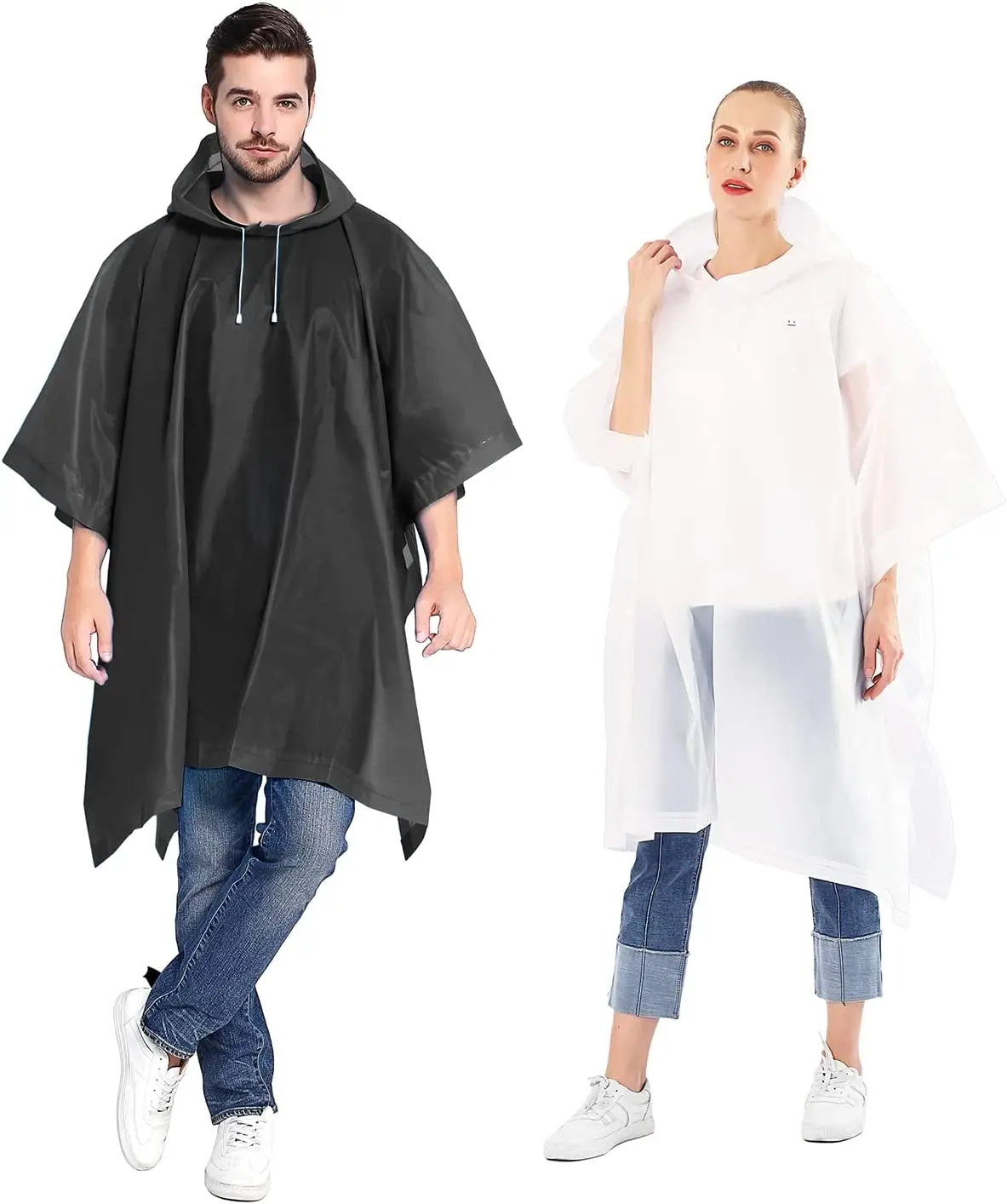
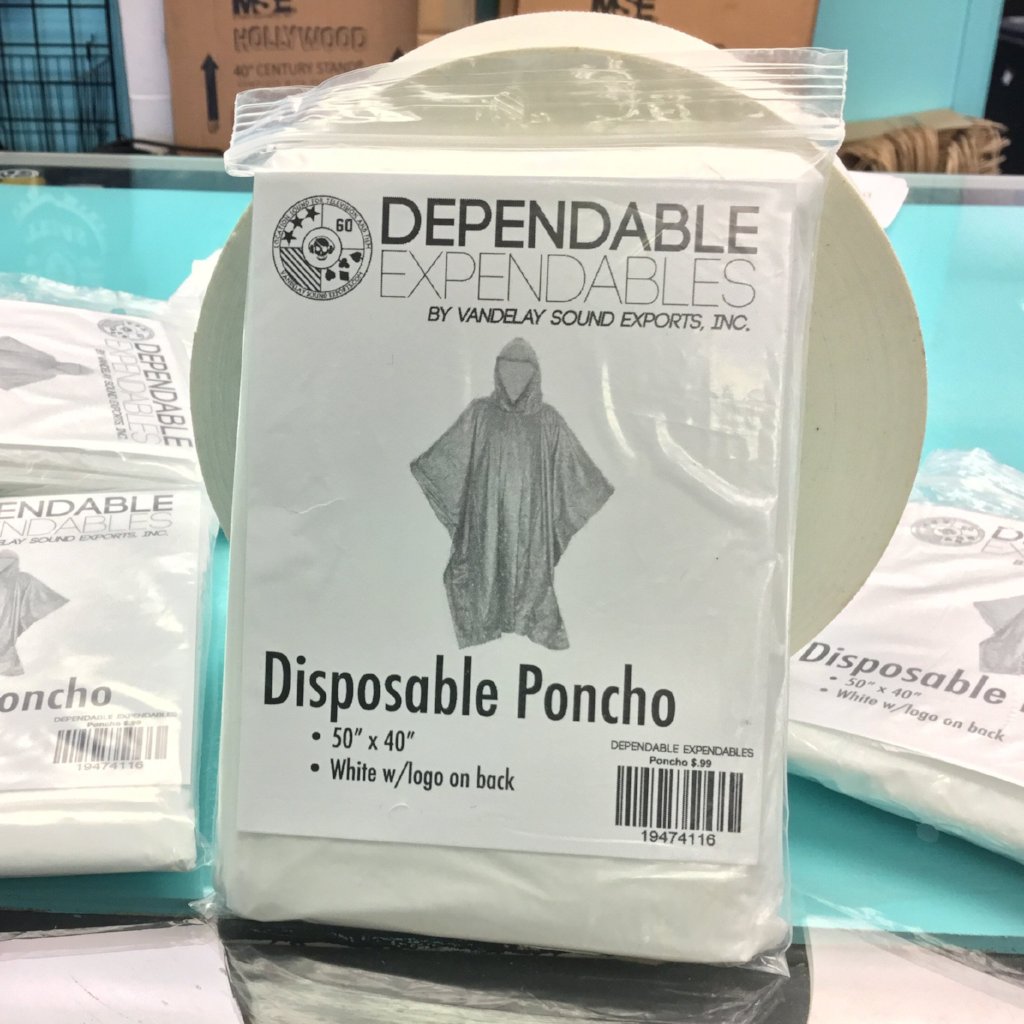
| Disposable Ponchos | Lightweight, single-use; typically made from polyethylene | Emergency kits, festivals, large events | Pros: Cost-effective, easy to store. Cons: Environmental concerns, less durable. |
| Packable Hooded Ponchos | Compact design; can be folded into a small pouch for easy transport | Travel industry, outdoor gear retailers | Pros: Portable, convenient. Cons: May sacrifice durability for portability. |
| Heavy-Duty Ponchos | Made from thicker materials; designed for extreme weather conditions | Construction, outdoor work environments | Pros: Robust, excellent protection. Cons: Bulkier, higher price point. |
What Are the Characteristics of Natural Rubber Ponchos?
Natural rubber ponchos are distinguished by their eco-friendly materials, utilizing sustainably harvested tree rubber. This type of poncho is completely biodegradable, making it an ideal choice for brands focused on sustainability. B2B buyers should consider the overall cost implications, as these ponchos often come at a premium due to their environmentally friendly production. However, their durability and comfort can justify the investment, especially for outdoor retailers targeting eco-conscious consumers.
How Do Custom Printed Ponchos Enhance Brand Visibility?
Custom printed ponchos are a versatile promotional tool, allowing businesses to showcase their brand through vibrant colors and logos. This type of poncho is particularly beneficial for events, sports teams, and corporate giveaways, providing a practical solution that keeps customers dry while promoting brand awareness. Buyers should evaluate the lead time for printing and the minimum order quantities, as these factors can affect inventory management and promotional strategies.
Why Choose Disposable Ponchos for Large Events?
Disposable ponchos are made from lightweight polyethylene, making them an economical choice for large gatherings such as festivals or emergency preparedness kits. Their single-use nature allows for easy distribution, ensuring that attendees remain dry without the need for storage space. However, B2B buyers must weigh the cost-effectiveness against environmental concerns, as these ponchos contribute to plastic waste. They are best suited for situations where immediate protection is needed without long-term use considerations.
What Are the Advantages of Packable Hooded Ponchos?
Packable hooded ponchos are designed for convenience, easily folding into a compact pouch for effortless transport. This feature is particularly appealing in the travel and outdoor gear sectors, where space is at a premium. Buyers should look for durability and material quality, as some packable designs may sacrifice sturdiness for portability. The ability to offer a lightweight, easily transportable solution can enhance customer satisfaction in outdoor activities.
What Makes Heavy-Duty Ponchos Ideal for Extreme Conditions?
Heavy-duty ponchos are crafted from thicker, more robust materials, providing superior protection against harsh weather conditions. They are well-suited for construction sites and outdoor work environments where durability is paramount. B2B buyers should consider the bulkier design and higher price point, as these ponchos are designed for long-term use rather than casual wear. The investment in heavy-duty ponchos is often justified by their performance and reliability in demanding situations.
Key Industrial Applications of export rain poncho
| Industry/Sector | Specific Application of export rain poncho | Value/Benefit for the Business | Key Sourcing Considerations for this Application |
|---|---|---|---|
| Outdoor Events | Rain protection for attendees at festivals and concerts | Enhances attendee experience and brand visibility | Durability, customization options, and eco-friendliness |
| Emergency Services | Emergency preparedness kits for disaster relief | Provides essential protection in unpredictable weather | Compliance with safety standards, lightweight design |
| Sports and Recreation | Team merchandise for sporting events | Promotes team spirit while keeping fans dry | Brand customization, bulk pricing, and quick delivery |
| Travel and Tourism | Promotional giveaways for travel agencies | Increases brand awareness and customer loyalty | Eco-friendly materials, portability, and design options |
| Construction and Outdoor Work | Protective gear for outdoor laborers | Ensures worker safety and comfort in adverse conditions | Compliance with industry regulations, durability, and breathability |
How Are Export Rain Ponchos Used in Outdoor Events?
In the outdoor events sector, export rain ponchos are crucial for providing rain protection to attendees at festivals, concerts, and sporting events. They serve as an effective promotional tool, allowing brands to maintain visibility even in adverse weather conditions. Buyers in this sector should consider options for customization, ensuring that the ponchos not only offer protection but also prominently feature branding. Durability is essential, as these products must withstand repeated use throughout various events.
What Role Do Export Rain Ponchos Play in Emergency Services?
For emergency services, export rain ponchos are vital components of emergency preparedness kits. They offer immediate protection against unpredictable weather, ensuring that responders and those in need remain dry and safe. In sourcing, businesses must ensure that the ponchos comply with safety standards and are lightweight for easy transport. Additionally, ponchos made from eco-friendly materials can enhance the sustainability profile of emergency response efforts.
How Are Export Rain Ponchos Beneficial for Sports and Recreation?
In the sports and recreation industry, export rain ponchos serve as team merchandise that enhances the game day experience. They keep fans dry while simultaneously promoting team spirit through customization with logos and colors. Buyers should focus on bulk pricing options to ensure affordability, especially when catering to large groups. Quick delivery times are also crucial, particularly for events that may be subject to sudden weather changes.
Why Are Export Rain Ponchos Important for Travel and Tourism?
Travel agencies often use export rain ponchos as promotional giveaways, enhancing customer experiences during tours and excursions. By providing ponchos, agencies can increase brand awareness while ensuring that tourists are prepared for unexpected rain. Eco-friendly materials resonate well with environmentally conscious consumers, making them a key consideration for sourcing. Additionally, the portability of these ponchos is essential, as travelers prefer lightweight and easily packable items.
How Do Export Rain Ponchos Support Construction and Outdoor Work?
In the construction and outdoor work sectors, export rain ponchos are essential for ensuring worker safety and comfort in adverse weather conditions. They protect workers from rain, reducing the risk of accidents and maintaining productivity. Sourcing considerations include compliance with industry regulations and the need for durable materials that can withstand the rigors of outdoor work. Breathability is also important to ensure comfort during prolonged use.
A stock image related to export rain poncho.
3 Common User Pain Points for ‘export rain poncho’ & Their Solutions
Scenario 1: Sourcing Quality Rain Ponchos for Diverse Climates
The Problem: B2B buyers in regions like Africa and South America face the challenge of sourcing rain ponchos that are suitable for a variety of climates and weather conditions. With humidity and heavy rainfall common in these areas, many buyers struggle to find ponchos that not only provide adequate waterproof protection but also remain breathable and comfortable. This issue is compounded by the presence of low-quality, synthetic ponchos that may not withstand prolonged exposure to harsh weather, leading to customer dissatisfaction and increased returns.
The Solution: To address this issue, buyers should prioritize sourcing ponchos made from high-quality, natural materials such as organic cotton and natural rubber. These materials provide both breathability and waterproof capabilities, ensuring that wearers stay dry without overheating. When selecting suppliers, it’s essential to request samples to assess the material quality and durability in real-world conditions. Additionally, consider engaging with manufacturers that have a proven track record of producing weather-resistant products specifically designed for the target climate. This can enhance customer satisfaction and reduce returns, ultimately benefiting the bottom line.
Scenario 2: Customization for Brand Visibility at Events
The Problem: Businesses looking to utilize rain ponchos for outdoor events, festivals, or promotions often encounter difficulties in customization. Many poncho suppliers offer limited printing options or high minimum order quantities, making it challenging for B2B buyers to effectively promote their brand while remaining cost-effective. This can result in missed marketing opportunities, especially in regions where outdoor events are prevalent.
The Solution: To effectively navigate this challenge, buyers should seek suppliers that specialize in custom printed rain ponchos with flexible order quantities. It’s beneficial to look for manufacturers that offer a range of printing techniques, such as screen printing or digital printing, which can accommodate vibrant designs at various scales. Establishing a relationship with suppliers who can provide lower minimum orders allows businesses to experiment with different designs without committing to large quantities. Moreover, consider sourcing ponchos that are eco-friendly, as this aligns with growing consumer demand for sustainable products and enhances brand reputation.
Scenario 3: Managing Logistics and Shipping Challenges
The Problem: International buyers often face logistical challenges when importing rain ponchos, particularly regarding shipping times, customs clearance, and unexpected tariffs. These issues can lead to delays in product availability, affecting inventory management and sales. For buyers in regions like the Middle East and Europe, navigating complex regulations can add further complications, making it crucial to find reliable suppliers.
The Solution: To mitigate these logistics challenges, B2B buyers should partner with suppliers that offer comprehensive shipping solutions, including clear communication on shipping times, customs procedures, and any associated costs. It is advisable to work with suppliers who have experience exporting to specific regions and can provide insights into local regulations. Additionally, implementing a just-in-time inventory system can help manage stock levels efficiently, reducing the risk of excess inventory or stockouts. By prioritizing suppliers that demonstrate transparency and reliability in their logistics operations, buyers can streamline the import process and ensure timely product availability.
Strategic Material Selection Guide for export rain poncho
What Are the Key Materials Used in Export Rain Ponchos?
When selecting materials for export rain ponchos, it is essential to consider various factors such as performance, durability, cost, and compliance with international standards. Below, we analyze four common materials used in rain poncho production: PVC, polyester, natural rubber, and EVA (ethylene-vinyl acetate).
How Does PVC Perform as a Material for Rain Ponchos?
Key Properties: PVC (Polyvinyl Chloride) is known for its excellent waterproof capabilities and resistance to abrasion and chemicals. It can withstand a wide range of temperatures, making it suitable for various climates.
Pros & Cons: PVC is relatively inexpensive and easy to manufacture, allowing for mass production. However, it is less durable compared to other materials and can become brittle over time, especially when exposed to UV light. Additionally, PVC is not biodegradable, raising environmental concerns.
Impact on Application: PVC is compatible with various media, making it suitable for outdoor events and casual wear. However, its chemical composition may not meet eco-friendly standards increasingly demanded by consumers.
Considerations for International Buyers: Buyers from regions like Africa and South America should be aware of local regulations regarding plastic use and environmental impact. Compliance with standards like ASTM D6400 for compostability may also be necessary.
What Advantages Does Polyester Offer for Rain Ponchos?
Key Properties: Polyester is lightweight, quick-drying, and resistant to shrinking and stretching. It offers good UV resistance, making it suitable for sunny climates.
Pros & Cons: The material is durable and can be treated for enhanced waterproofing, making it versatile for various applications. On the downside, polyester can retain odors and may not be as breathable as natural fibers, which can lead to discomfort in humid conditions.
Impact on Application: Polyester ponchos are ideal for promotional events and outdoor activities where lightweight and packable options are preferred. However, they may not provide the same level of comfort as natural materials.
Considerations for International Buyers: Buyers should consider the environmental regulations in their countries, as polyester is derived from petroleum and may not align with sustainability goals. Compliance with international standards like ISO 14001 for environmental management could be beneficial.
Why Choose Natural Rubber for Export Rain Ponchos?
Key Properties: Natural rubber is inherently waterproof and offers excellent elasticity and durability. It can withstand a range of temperatures and maintains its flexibility even in cold conditions.
Pros & Cons: The primary advantage of natural rubber is its sustainability; it is biodegradable and free from harmful chemicals. However, it is more expensive to source and manufacture compared to synthetic options, which may deter cost-sensitive buyers.
Impact on Application: Natural rubber is suitable for high-performance applications where durability and environmental impact are critical. Its natural properties make it an excellent choice for outdoor enthusiasts and eco-conscious consumers.
Considerations for International Buyers: Buyers from Europe and the Middle East may prefer natural rubber due to stringent environmental regulations. Compliance with certifications like GOTS (Global Organic Textile Standard) can enhance marketability.
What Role Does EVA Play in Rain Poncho Production?
Key Properties: EVA is a flexible, lightweight material that offers good waterproofing and UV resistance. It is also resistant to cracking and can maintain its properties in various temperatures.
Pros & Cons: EVA is cost-effective and can be produced in various colors and thicknesses, making it versatile for different applications. However, it may not be as durable as natural rubber and can degrade over time when exposed to extreme conditions.
Impact on Application: EVA is ideal for disposable ponchos or budget-friendly options for events and festivals. Its lightweight nature makes it easy to transport, but it may not be suitable for long-term use.
Considerations for International Buyers: In regions like Africa and South America, where cost is a significant factor, EVA can be an attractive option. However, buyers should ensure compliance with local regulations regarding plastic waste.
Summary of Material Selection for Export Rain Ponchos
| Material | Typical Use Case for export rain poncho | Key Advantage | Key Disadvantage/Limitation | Relative Cost (Low/Med/High) |
|---|---|---|---|---|
| PVC | Casual wear, outdoor events | Excellent waterproof capabilities | Can become brittle; not biodegradable | Low |
| Polyester | Promotional events, lightweight options | Durable and quick-drying | Retains odors; less breathable | Medium |
| Natural Rubber | High-performance, eco-friendly ponchos | Sustainable and biodegradable | Higher manufacturing cost | High |
| EVA | Disposable ponchos, budget-friendly | Cost-effective and lightweight | Less durable; degrades over time | Low |
This strategic material selection guide provides B2B buyers with essential insights into the various materials available for export rain ponchos, aiding in making informed purchasing decisions that align with market demands and compliance requirements.
A stock image related to export rain poncho.
In-depth Look: Manufacturing Processes and Quality Assurance for export rain poncho
What Are the Main Stages in the Manufacturing Process of Export Rain Ponchos?
The manufacturing process for export rain ponchos typically involves several key stages: material preparation, forming, assembly, and finishing. Each stage is crucial for ensuring the final product meets quality standards and fulfills the expectations of international buyers.
How Is Material Prepared for Rain Poncho Production?
The first step in the manufacturing process is material preparation. This involves sourcing high-quality raw materials, such as waterproof fabrics (e.g., natural rubber or synthetic options like PVC) and breathable linings (such as organic cotton). Sustainable sourcing is increasingly prioritized, particularly among environmentally conscious brands.
Once sourced, materials undergo rigorous inspections to ensure they meet specific standards, such as thickness, waterproof capabilities, and durability. Suppliers should provide material certifications to verify the quality and origin of the fabrics used, which is crucial for buyers who prioritize sustainability and eco-friendliness.
What Techniques Are Used for Forming Rain Ponchos?
The forming stage involves cutting the prepared materials into specific shapes and sizes, which is essential for achieving the desired poncho design. Techniques such as die cutting or laser cutting are commonly used to ensure precision and minimize waste.
After cutting, the fabric pieces are often treated to enhance their waterproof capabilities. This may include applying coatings or laminating layers to ensure durability under various weather conditions. For buyers looking for unique features, customization options, such as colors and prints, can be incorporated at this stage.
How Are Rain Ponchos Assembled?
The assembly stage brings together the various components of the poncho. This typically involves sewing or welding the pieces together. Manufacturers may utilize techniques such as ultrasonic welding for synthetic ponchos, which creates a strong bond without the use of traditional stitching, thereby enhancing waterproof integrity.
Quality control checkpoints are vital at this stage. Each poncho should be inspected for stitching consistency, seam strength, and overall appearance. Manufacturers often employ skilled labor to ensure that the assembly meets both aesthetic and functional standards.
What Finishing Touches Are Added to Export Rain Ponchos?
Finishing involves adding details such as hoods, pockets, and closures (e.g., snaps or zippers). This stage may also include the application of branding elements, such as logos or labels. Final inspections ensure that all features are correctly installed and that the poncho is ready for packaging.
Once finished, the ponchos undergo additional quality checks to confirm they are free from defects. Any ponchos that do not meet the quality standards are reworked or discarded.
What International Standards and Quality Control Measures Should B2B Buyers Expect?
Quality assurance is critical in the manufacturing of rain ponchos, especially for international B2B buyers. Adhering to recognized standards is essential for ensuring product reliability and safety.
Which International Standards Are Relevant for Rain Poncho Manufacturing?
ISO 9001 is a key international standard that outlines the requirements for a quality management system (QMS). Manufacturers seeking ISO certification demonstrate their commitment to consistent quality and customer satisfaction. Additionally, industry-specific standards such as CE marking for safety in the European market may apply, depending on the intended use of the ponchos.
For buyers in regions such as Africa and South America, it is essential to verify that suppliers comply with local regulations, which may differ from international standards.
What Are the Key Quality Control Checkpoints?
Quality control in rain poncho manufacturing typically includes three main checkpoints:
-
Incoming Quality Control (IQC): This stage involves inspecting raw materials upon arrival at the manufacturing facility. Ensuring that materials meet specifications is critical for the overall quality of the final product.
-
In-Process Quality Control (IPQC): During the manufacturing process, quality checks are performed at various stages to monitor production consistency and adherence to specifications. This helps identify issues early and reduces waste.
-
Final Quality Control (FQC): After assembly and finishing, a final inspection is conducted to ensure that the ponchos meet all design and quality standards. This may include testing for waterproof capabilities, seam integrity, and overall appearance.
How Can B2B Buyers Verify Supplier Quality Control Practices?
For international buyers, verifying a supplier’s quality control practices is essential to mitigate risks associated with product quality.
What Audit and Reporting Mechanisms Should Buyers Consider?
B2B buyers should request detailed reports from suppliers that outline their quality control processes, including any certifications obtained (such as ISO 9001). Regular audits can also be beneficial, allowing buyers to assess compliance with quality standards firsthand.
Engaging a third-party inspection service can provide an additional layer of assurance. These services can conduct audits and inspections at various stages of the manufacturing process, ensuring that the supplier adheres to agreed-upon quality standards.
What Are the Nuances of Quality Control for Buyers from Different Regions?
Quality control nuances may vary based on the buyer’s region. For instance, buyers from Europe may prioritize CE certification, while those in Africa may focus on compliance with local standards. Understanding these regional preferences is essential for effective communication with suppliers.
Additionally, language barriers and differing regulatory environments can complicate quality assurance processes. Buyers should seek suppliers who are experienced in exporting to their specific regions and who demonstrate a clear understanding of local market requirements.
Conclusion
Understanding the manufacturing processes and quality assurance measures for export rain ponchos is vital for B2B buyers. By focusing on material preparation, forming, assembly, and finishing, along with relevant international standards and quality control checkpoints, buyers can make informed decisions. Engaging in thorough verification practices will further ensure that the rain ponchos meet the expected quality standards, ultimately leading to successful partnerships in the global market.
Practical Sourcing Guide: A Step-by-Step Checklist for ‘export rain poncho’
In the competitive landscape of B2B sourcing, procuring export rain ponchos requires careful planning and execution. This checklist serves as a practical guide to help you navigate the sourcing process, ensuring you secure high-quality products that meet your business needs.
Step 1: Define Your Technical Specifications
Clearly outline the specifications for the rain ponchos you intend to procure. This includes material type, waterproofing standards, sizes, and any specific design features (e.g., hoods, pockets). Establishing these parameters early on helps streamline your search for suppliers and ensures that the products align with your market requirements.
- Material Considerations: Decide between synthetic and natural materials based on your target audience’s preferences and environmental impact.
- Design Features: Consider the end use of the ponchos—whether for outdoor events, corporate giveaways, or emergency kits.
Step 2: Research and Shortlist Suppliers
Begin by identifying potential suppliers who specialize in rain ponchos. Use industry directories, trade shows, and online marketplaces to gather a list of manufacturers.
- Supplier Reputation: Look for suppliers with a proven track record and positive reviews from previous clients.
- Production Capacity: Ensure that the suppliers can meet your order volume and delivery timelines.
Step 3: Evaluate Potential Suppliers
Before committing, thoroughly vet your shortlisted suppliers. Request detailed company profiles, product catalogs, and case studies showcasing their experience.
- References and Reviews: Ask for references from other B2B buyers in similar industries or regions to assess reliability and product quality.
- Certifications: Verify any relevant certifications (e.g., ISO, environmental standards) that indicate compliance with industry norms.
Step 4: Request Samples
Once you’ve narrowed down your options, request samples from the suppliers. This step is crucial for assessing the quality and performance of the rain ponchos.
- Quality Assessment: Check for waterproofing effectiveness, material comfort, and overall durability.
- Customization Options: If you plan to customize the ponchos (e.g., branding), inquire about the process and associated costs.
Step 5: Negotiate Terms and Pricing
Engage in negotiations with your chosen supplier to establish favorable terms. Discuss pricing, payment terms, lead times, and shipping arrangements.
- Bulk Discounts: Inquire about discounts for larger orders, which can significantly reduce your overall costs.
- Payment Flexibility: Explore different payment options that suit your cash flow requirements.
Step 6: Confirm Compliance with Regulations
Ensure that the rain ponchos comply with any import/export regulations in your target markets. This is particularly important for B2B transactions involving international shipping.
- Documentation: Request necessary documentation from your supplier, including Certificates of Origin and compliance with local safety standards.
- Customs Procedures: Familiarize yourself with customs procedures to avoid delays during importation.
Step 7: Establish a Quality Control Process
Implement a quality control process to monitor the production of your rain ponchos. This ensures that the final products meet your specifications and quality standards.
- Regular Inspections: Schedule inspections at various stages of production to identify and rectify any issues early.
- Final Quality Checks: Conduct a final quality check before shipment to ensure all products are defect-free and ready for sale.
By following this checklist, B2B buyers can effectively navigate the sourcing process for export rain ponchos, ensuring they secure high-quality products that meet their operational needs while also adhering to market standards.
Comprehensive Cost and Pricing Analysis for export rain poncho Sourcing
What Are the Key Cost Components in Sourcing Export Rain Ponchos?
When sourcing rain ponchos for export, understanding the cost structure is essential for effective budgeting and price negotiation. The primary cost components include:
-
Materials: The choice of materials significantly impacts costs. For instance, eco-friendly options like organic Pima cotton and natural rubber may have higher initial costs but can attract a premium market segment focused on sustainability. Conversely, synthetic materials like PVC or polyester typically offer lower upfront costs but may lead to higher long-term environmental costs.
-
Labor: Labor costs vary depending on the country of manufacture. Regions with lower labor costs may offer competitive pricing, but this could compromise quality. It’s crucial to evaluate the balance between labor costs and the skill level required for quality production.
-
Manufacturing Overhead: Overhead costs, including utilities, rent, and equipment maintenance, contribute to the overall pricing structure. Manufacturers with efficient production processes and technology may offer more competitive pricing.
-
Tooling: Custom designs or unique specifications may require specialized tooling, which can raise initial costs. Buyers should consider whether the tooling costs can be amortized over larger production runs to optimize overall expenses.
-
Quality Control (QC): Implementing stringent quality control measures ensures product reliability but adds to manufacturing costs. Investing in QC can reduce returns and increase customer satisfaction, making it a valuable component of the overall cost structure.
-
Logistics: Shipping and handling costs can vary significantly based on the destination, mode of transport, and Incoterms. Understanding these logistics costs is crucial for calculating the total landed cost of the ponchos.
-
Margin: Suppliers will typically add a profit margin to cover their costs and ensure sustainability. This margin can vary based on the supplier’s market position, the uniqueness of the product, and competitive pressures.
How Do Pricing Influencers Affect Export Rain Poncho Costs?
Several factors influence the final pricing of rain ponchos, particularly in international markets:
-
Volume/MOQ: Minimum Order Quantities (MOQ) often dictate pricing. Larger orders may qualify for bulk discounts, making it financially advantageous for buyers to consolidate their purchases.
-
Specifications/Customization: Customized products usually come with added costs. Buyers should weigh the benefits of unique designs against the potential price increases.
-
Materials and Quality Certifications: High-quality materials and certifications (like eco-friendly or safety certifications) can lead to higher prices. Buyers should assess whether the added cost aligns with their target market’s expectations.
-
Supplier Factors: The reputation and reliability of suppliers can influence pricing. Established suppliers may charge higher prices due to their perceived value, but they often offer better quality assurance and service.
-
Incoterms: The chosen Incoterms affect shipping costs and responsibilities. Terms like FOB (Free on Board) or CIF (Cost, Insurance, and Freight) can influence the total cost and risk involved in the transaction.
What Tips Can Help Buyers Negotiate Better Prices for Rain Ponchos?
-
Negotiate Based on Total Cost of Ownership (TCO): Instead of focusing solely on the purchase price, consider the TCO, which includes logistics, durability, and potential warranty claims. This holistic view can help justify a higher upfront investment for better quality.
-
Understand Pricing Nuances in International Markets: Different regions may have varying expectations regarding quality, delivery times, and payment terms. Familiarizing oneself with local customs and practices can enhance negotiation strategies.
-
Leverage Relationships: Building long-term relationships with suppliers can lead to better pricing and terms over time. Regular communication and feedback can foster trust and collaboration.
-
Explore Multiple Suppliers: Obtaining quotes from multiple suppliers can provide insights into market pricing and help identify the best value for money.
-
Stay Informed on Market Trends: Keeping abreast of market trends, such as shifts towards sustainable materials or changing consumer preferences, can position buyers to make informed decisions and negotiate effectively.
Disclaimer
Prices for rain ponchos can vary widely based on the factors discussed above. The information provided is indicative and may not reflect actual market conditions. Buyers should conduct thorough research and obtain multiple quotes to ensure competitive pricing.
Alternatives Analysis: Comparing export rain poncho With Other Solutions
Understanding Alternatives to Export Rain Ponchos for B2B Buyers
When considering protective gear against rain, businesses often have multiple options to evaluate. Export rain ponchos, while effective, may not always be the best solution depending on the specific needs of the buyer. Understanding viable alternatives is crucial for making an informed decision that balances performance, cost, and practicality.
| Comparison Aspect | Export Rain Poncho | Custom Printed Rain Poncho | Heavy-Duty Rain Jacket |
|---|---|---|---|
| Performance | 100% waterproof, lightweight | Effective for light rain, brand visibility | Excellent waterproofing, durability |
| Cost | Moderate ($20-$50) | Low to Moderate ($2-$12) | Higher ($50-$150) |
| Ease of Implementation | Simple distribution | Easy customization, quick shipping | Requires proper sizing, bulk orders |
| Maintenance | Minimal (machine wash) | Disposable options available | Regular cleaning and care needed |
| Best Use Case | Outdoor events, festivals | Promotions, giveaways | Extreme weather conditions |
Exploring Custom Printed Rain Ponchos: Pros and Cons
Custom printed rain ponchos offer a unique advantage for businesses looking to promote their brand during outdoor events. They are lightweight and can be produced in bulk at a low cost, making them ideal for giveaways or promotional items. However, their performance is generally limited to light rain and they may not provide the same level of waterproofing as export rain ponchos. Additionally, while they serve a marketing purpose, they may lack durability for repeated use, making them less suitable for long-term investments.
Evaluating Heavy-Duty Rain Jackets: Advantages and Disadvantages
Heavy-duty rain jackets are designed to withstand extreme weather conditions, providing superior waterproofing and insulation. These jackets are often favored in industries that require extensive outdoor work, such as construction or agriculture. However, they come with a higher price tag and require proper sizing, which can complicate logistics for bulk purchases. Maintenance is also more demanding, as heavy-duty jackets typically need regular cleaning to maintain their waterproof qualities. Therefore, while they offer exceptional protection, they may not be the most cost-effective solution for all businesses.
How to Choose the Right Solution for Your Needs
When selecting the right rain protection solution, B2B buyers should consider factors such as the specific environment in which the product will be used, the frequency of use, and budget constraints. Export rain ponchos are an excellent choice for outdoor events where portability and ease of use are paramount. In contrast, custom printed ponchos are ideal for promotional purposes but may not suffice for heavy rain scenarios. Heavy-duty rain jackets are best suited for industries that require maximum durability and performance. By assessing these factors, buyers can choose the best solution tailored to their operational needs and brand objectives.
Essential Technical Properties and Trade Terminology for export rain poncho
What Are the Key Technical Properties of Export Rain Ponchos?
When sourcing rain ponchos for export, understanding their technical specifications is crucial for ensuring product quality and meeting market demands. Here are some essential properties to consider:
-
Material Composition
The choice of material directly affects the poncho’s waterproofing, durability, and comfort. Common materials include synthetic options like PVC or nylon, which are often lightweight and cost-effective, and eco-friendly alternatives such as natural rubber and organic cotton. Understanding the material composition helps buyers assess environmental impact and compliance with local regulations, especially in regions like Europe where sustainability is increasingly prioritized. -
Waterproof Rating
This rating, often indicated in millimeters (e.g., 3000mm), measures the fabric’s ability to resist water penetration. A higher rating signifies better waterproofing, which is critical for customer satisfaction in rainy climates. B2B buyers should seek ponchos with at least a 3000mm rating to ensure adequate protection, particularly for outdoor events or activities. -
Breathability
Breathability is a measure of how well moisture vapor can escape from the interior of the poncho, preventing overheating during use. Fabrics with good breathability ratings often feature microporous membranes or are made from inherently breathable materials. This property is important for comfort, especially in humid climates, making it a key selling point for B2B buyers targeting outdoor enthusiasts. -
Weight and Packability
The weight of a poncho affects its portability, while packability refers to how easily it can be folded or compressed for storage. Lightweight, packable ponchos are ideal for consumers who need to carry them in bags or backpacks, making them suitable for travel or emergency kits. For B2B buyers, these features can enhance the appeal of the product in competitive markets. -
Durability and Tear Resistance
Durability is often assessed through fabric denier (a measure of fiber thickness) and tear strength. A higher denier indicates a more robust material, which is crucial for ponchos expected to endure rough conditions. B2B buyers should prioritize products that maintain performance over time, particularly for bulk orders intended for events or promotional giveaways. -
Color Fastness and Dye Options
Color fastness refers to the fabric’s ability to retain its color when exposed to light, washing, or moisture. This property is significant for branding, especially for companies looking to customize ponchos with logos or designs. Buyers should inquire about dye options, ensuring they align with their branding and sustainability goals.
What Are Common Trade Terms in the Rain Poncho Industry?
Understanding trade terminology is vital for effective communication and negotiation in B2B transactions. Here are some commonly used terms:
-
OEM (Original Equipment Manufacturer)
This term refers to companies that produce parts or products that are used in another company’s end product. In the context of rain ponchos, OEM manufacturers might create ponchos based on specific designs or specifications provided by the buyer, ensuring brand consistency. -
MOQ (Minimum Order Quantity)
MOQ is the smallest quantity of a product that a supplier is willing to sell. This term is crucial for B2B buyers as it impacts the cost-effectiveness of the purchase. Understanding the MOQ helps businesses plan their inventory and assess supplier compatibility. -
RFQ (Request for Quotation)
An RFQ is a document sent to suppliers requesting pricing and terms for specific products. When sourcing rain ponchos, buyers should prepare detailed RFQs to ensure they receive accurate and competitive quotes tailored to their needs. -
Incoterms (International Commercial Terms)
These are standardized international trade terms that define the responsibilities of buyers and sellers in shipping. Terms such as FOB (Free on Board) or CIF (Cost, Insurance, and Freight) dictate who bears the cost and risk at various stages of the shipping process. Familiarity with Incoterms helps buyers make informed decisions about shipping logistics. -
Lead Time
Lead time refers to the time it takes from placing an order to receiving the goods. In the rain poncho industry, understanding lead times is essential for inventory management and ensuring timely delivery for events or seasonal sales. -
Customs Duties and Tariffs
These are taxes imposed by governments on imported goods. B2B buyers should be aware of applicable customs duties and tariffs when importing rain ponchos to factor these costs into their pricing strategies.
By familiarizing themselves with these technical properties and trade terms, international B2B buyers can make informed decisions that align with their business objectives and market demands.
Navigating Market Dynamics and Sourcing Trends in the export rain poncho Sector
What Are the Key Drivers Shaping the Global Rain Poncho Market?
The export rain poncho market is currently experiencing significant growth, driven by several global factors. Increased awareness of climate change and unpredictable weather patterns has led to a rise in demand for weather-resistant apparel across diverse regions, particularly in Africa, South America, the Middle East, and Europe. International B2B buyers are increasingly looking for versatile and functional products that can be used in various outdoor settings, from festivals to sporting events. Additionally, the ongoing trend of personalization and branding has led to a spike in demand for custom-printed rain ponchos, which serve not only as functional items but also as effective promotional tools.
Emerging technologies in manufacturing, such as 3D printing and eco-friendly materials, are reshaping sourcing strategies. B2B buyers are leveraging these advancements to find suppliers who can provide innovative designs and sustainable options. The market is also seeing a shift towards online platforms, facilitating easier access to a wider range of products, competitive pricing, and faster delivery times, which are crucial for international buyers operating in diverse markets.
How Is Sustainability Influencing the Sourcing of Rain Ponchos?
Sustainability has become a critical factor in the sourcing of rain ponchos. Increasingly, B2B buyers are prioritizing products made from environmentally friendly materials, such as natural rubber and organic cotton, that minimize ecological impact. Ethical sourcing practices are also gaining traction, with buyers showing preference for suppliers who maintain transparent and responsible supply chains. This shift is not just a trend but a response to consumer demand for products that reflect corporate social responsibility.
Certifications like GOTS (Global Organic Textile Standard) and OEKO-TEX® are becoming essential for suppliers aiming to prove their commitment to sustainability. These certifications ensure that materials are sourced responsibly and that production processes meet high environmental standards. B2B buyers can leverage these certifications as a differentiating factor when marketing their products, appealing to environmentally conscious consumers and businesses alike.
What Is the Historical Context of Rain Ponchos in the B2B Sector?
The rain poncho has evolved significantly since its inception as a simple protective garment. Originally designed for military and outdoor use, the poncho gained popularity in the 1970s as a lightweight, packable alternative to traditional raincoats. Over the years, advancements in material technology have transformed the poncho into a multi-functional item that caters to various markets, including sports, outdoor festivals, and corporate branding.
As consumer preferences shifted towards convenience and style, manufacturers began offering ponchos in a range of materials and designs, leading to a vibrant market that caters to diverse needs. Today, the rain poncho stands as a symbol of adaptability, combining functionality with brand visibility, making it a staple for B2B buyers looking to enhance their product offerings in an increasingly competitive landscape.
Frequently Asked Questions (FAQs) for B2B Buyers of export rain poncho
-
How do I choose the right rain poncho supplier for my business needs?
Selecting the right supplier involves assessing their reliability, product quality, and production capacity. Start by researching potential suppliers through trade platforms and industry networks. Request samples to evaluate the material and craftsmanship. It’s crucial to check customer reviews and testimonials to gauge their reputation. Additionally, inquire about their production timelines, minimum order quantities (MOQs), and customization options. Establishing clear communication and understanding their compliance with international standards can also help ensure a successful partnership. -
What are the benefits of customizing rain ponchos for my brand?
Customizing rain ponchos can significantly enhance brand visibility and customer loyalty. By incorporating your logo, colors, and design elements, you create a promotional item that resonates with your target audience, especially during outdoor events or festivals. Customized ponchos not only serve a practical purpose but also act as a marketing tool, reinforcing brand recognition in various settings. Furthermore, they can be tailored to meet specific market preferences, increasing their appeal to diverse consumer bases across regions. -
What is the typical minimum order quantity (MOQ) for export rain ponchos?
Minimum order quantities for rain ponchos can vary widely based on the supplier and the complexity of customization. Generally, MOQs can range from as low as 100 units for basic designs to several thousand for custom prints or specialized materials. When negotiating with suppliers, consider your market demand and budget. Some manufacturers may offer flexibility for first-time buyers or smaller businesses, so it’s worthwhile to communicate your needs directly to explore possible options. -
What payment terms should I expect when sourcing rain ponchos internationally?
Payment terms in international trade typically range from upfront deposits to full payment upon delivery. Common practices include a 30-70 split, where 30% is paid upfront and the remaining 70% upon shipment. Some suppliers may offer letters of credit or escrow services for added security. It’s essential to clarify payment methods accepted (e.g., wire transfer, PayPal) and any additional fees associated with international transactions. Always ensure that payment terms are documented in the purchase agreement to avoid disputes. -
How can I ensure quality assurance for the rain ponchos I import?
Implementing quality assurance involves setting clear standards and expectations with your supplier before production begins. Request detailed specifications and production samples to evaluate quality. Consider third-party inspections during and after production to ensure compliance with international standards. Establishing a quality control checklist that includes material checks, stitching quality, and waterproof testing can help mitigate risks. Maintaining open communication with your supplier throughout the process is vital for addressing any issues promptly. -
What logistics considerations should I keep in mind when importing rain ponchos?
Logistics play a crucial role in the timely delivery of your rain ponchos. Consider factors such as shipping methods (air vs. sea), customs clearance procedures, and potential tariffs or duties applicable to your products. Partnering with a reliable freight forwarder can streamline the shipping process and provide valuable insights into best practices for your specific destination. Additionally, ensure that you have accurate documentation and tracking systems in place to monitor your shipment from the supplier to your warehouse. -
What are the environmental considerations for sourcing rain ponchos?
As sustainability becomes increasingly important, consider sourcing rain ponchos made from eco-friendly materials, such as biodegradable plastics or organic cotton. Ask suppliers about their manufacturing processes, including waste management and carbon footprint. Certifications like GOTS (Global Organic Textile Standard) or OEKO-TEX can indicate responsible production practices. By prioritizing environmentally conscious products, you can enhance your brand’s reputation and appeal to eco-aware consumers in your target markets. -
How can I effectively market rain ponchos in diverse international markets?
To successfully market rain ponchos across different regions, conduct thorough market research to understand local preferences, weather patterns, and cultural nuances. Tailor your marketing messages and promotional strategies to resonate with each target audience. Utilize digital marketing channels, social media platforms, and local influencers to create awareness. Additionally, consider participating in trade shows or local events to showcase your products directly to potential buyers. Adapting your approach based on regional insights can significantly enhance your market penetration and sales.
Important Disclaimer & Terms of Use
⚠️ Important Disclaimer
The information provided in this guide, including content regarding manufacturers, technical specifications, and market analysis, is for informational and educational purposes only. It does not constitute professional procurement advice, financial advice, or legal advice.
While we have made every effort to ensure the accuracy and timeliness of the information, we are not responsible for any errors, omissions, or outdated information. Market conditions, company details, and technical standards are subject to change.
B2B buyers must conduct their own independent and thorough due diligence before making any purchasing decisions. This includes contacting suppliers directly, verifying certifications, requesting samples, and seeking professional consultation. The risk of relying on any information in this guide is borne solely by the reader.
Top 5 Export Rain Poncho Manufacturers & Suppliers List
1. Arms of Andes – Plastic-Free Waterproof Hooded Rain Poncho
Domain: armsofandes.com
Registered: 2018 (7 years)
Introduction: {“product_name”: “Plastic-Free Waterproof Hooded Rain Poncho”, “price”: “$400.00 USD”, “colors”: [“Black”, “Undyed”], “size”: “One size”, “features”: {“outer_layer”: {“material”: “Natural Tree Rubber”, “properties”: [“100% waterproof”, “naturally hydrophobic”, “flexible and durable”, “plastic-free”]}, “inner_layer”: {“material”: “Organic Pima Cotton”, “properties”: [“ultra-breathable”, “exceptiona…
2. PrintGlobe – Custom Rain Ponchos
Domain: printglobe.com
Registered: 1999 (26 years)
Introduction: This company, PrintGlobe – Custom Rain Ponchos, is a notable entity in the market. For specific product details, it is recommended to visit their website directly.
3. Volza – Rain Poncho Export Import Data
Domain: volza.com
Registered: 2015 (10 years)
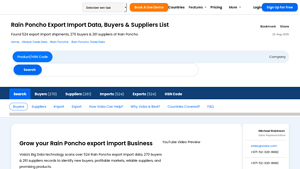
Introduction: Rain Poncho Export Import Data, Buyers & Suppliers List: 270 Buyers, 524 Import Shipments, 9 Importing Countries, 261 Suppliers, 524 Export Shipments, 13 Exporting Countries. Key Companies: FASTGROW LOGISTICS AMERICAS INC (USA) – 33 Import Shipments; FASTGROW INTERNATIONAL CO INC (USA) – 32 Export Shipments. Recent Imports: Disposable Vinyl Rain Poncho from China, 5246 CTN. Recent Exports: Rain Po…
4. Backpacking Light – Ultralight Poncho
Domain: backpackinglight.com
Registered: 2000 (25 years)
Introduction: The backpacking poncho is an ultralight alternative to traditional rain jackets. It offers better ventilation, fewer breakable features (like zippers), and can function as an ultralight tarp. Ponchos are made of fully waterproof material, have fewer seams that can leak, and can cover large backpacks. They are inexpensive, require no maintenance, and never wear out or go out of style. Ponchos can a…
5. Sports Marketing Plus – Customized Rain Ponchos
Domain: sportsmarketingplus.com
Registered: 2016 (9 years)
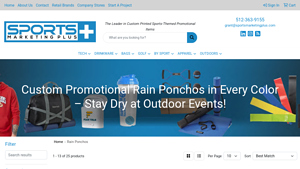
Introduction: Customized Rain Ponchos with your logo, available in every color. Ideal for outdoor events. Minimum order of $750 (before art fees, taxes, setup, and shipping costs). 2.9% credit card fee on orders over $2,000.
Strategic Sourcing Conclusion and Outlook for export rain poncho
In today’s competitive global market, strategic sourcing of export rain ponchos presents significant opportunities for international B2B buyers. By focusing on quality materials such as organic Pima cotton and natural rubber, companies can enhance their product offerings while aligning with sustainability trends. Furthermore, the growing demand for eco-friendly options underscores the importance of sourcing responsibly produced ponchos that cater to environmentally conscious consumers.
Buyers should also consider the versatility of rain ponchos, which serve as practical promotional tools across various sectors, from outdoor events to corporate giveaways. This adaptability not only boosts brand visibility but also strengthens customer engagement during adverse weather conditions.
As we look ahead, the market for rain ponchos is poised for growth, driven by increasing awareness of environmental issues and the need for reliable outdoor gear. International buyers from regions such as Africa, South America, the Middle East, and Europe should seize this opportunity to diversify their product lines with high-quality, sustainable ponchos. Embrace the potential of strategic sourcing today and position your business as a leader in the eco-friendly apparel market.


 English
  Russian
  Spanish
  Arabic
  Portuguese
  German
  Vietnamese
  Korean
  Japanese